


King Abdullah University of Science and Technology (KAUST) has identified the top 10 recommended locations for solar and wind energy storage in the Red Sea region through a new research study announced on February 4, 2025. The findings aim to accelerate the Kingdom’s transition to renewable energy, improve water resource management, and bolster food security in line with Saudi Vision 2030.
Context and Background
With Saudi Arabia’s immense potential in solar and wind energy, the study focused on how to harness these renewable sources to support water management. The Kingdom aims to generate at least half of its electricity capacity from renewables, requiring major shifts in the energy sector, which accounted for about half of the nation’s carbon dioxide emissions in 2022. Seasonal storage is critical to address the significant variation in electricity consumption between winter and summer.
Key Details
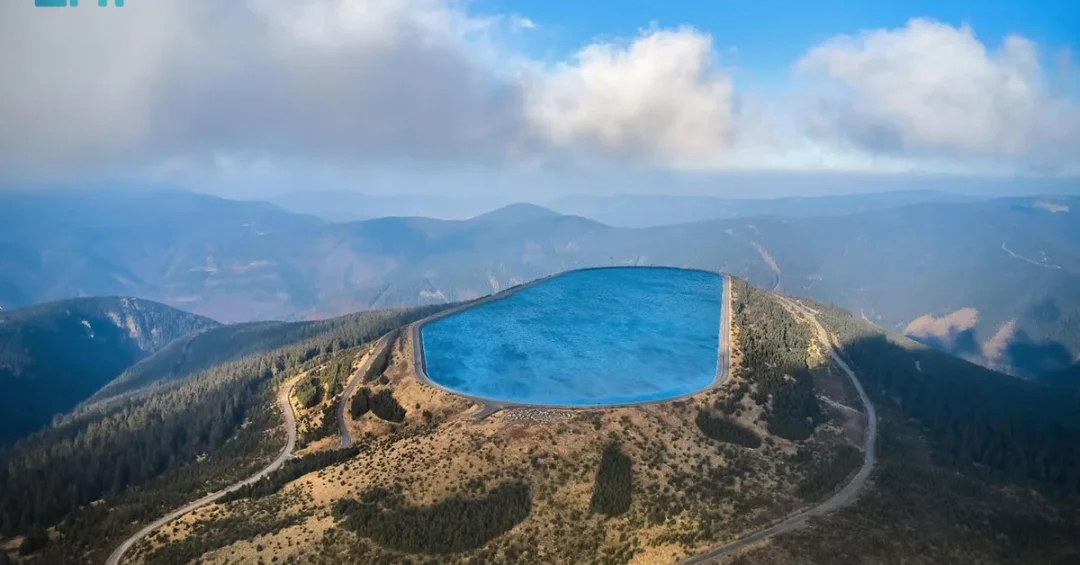
The study, led by Professor Yoshihide Wada, emphasizes that renewable energy is essential for a sustainable future. He noted that storing energy for peak demand periods is the main challenge. Solutions include batteries for daily cycles and, for longer seasonal cycles, seasonal pumped hydro storage. This involves storing desalinated water in high-mountain reservoirs and releasing it to generate energy and supply water when needed. Each site costs approximately ten billion dollars, making site evaluation crucial.
Implications and Impact
The identified locations, evaluated for factors like evaporation, water salinity, and proximity to solar or wind plants, will enable large-scale renewable energy deployment. This strengthens Saudi Arabia’s ability to manage water resources efficiently and reduces reliance on fossil fuels, contributing to regional environmental goals and global climate commitments.
Vision 2030 Alignment
This research directly supports Saudi Vision 2030’s targets for renewable energy, water sustainability, and economic diversification. By integrating solar and wind energy with advanced storage, the Kingdom advances its leadership in sustainable innovation, positioning itself as a global hub for clean energy and resource management.
20 Questions
Q1. What did King Abdullah University of Science and Technology (KAUST) recently announce?
A1. KAUST announced the identification of the top 10 recommended locations for solar and wind energy storage in the Red Sea region, based on a new research study.
Q2. When was the KAUST study announced?
A2. The study was announced on February 4, 2025, via the Saudi Press Agency.
Q3. What is the main purpose of the KAUST study?
A3. The study aims to accelerate Saudi Arabia’s transition to renewable energy, enhance water resource management, and strengthen food security in line with Vision 2030.
Q4. Who led the research study at KAUST?
A4. The study was led by Professor Yoshihide Wada, a professor at KAUST.
Q5. Why is seasonal energy storage important for Saudi Arabia?
A5. Seasonal storage addresses significant electricity consumption differences between winter and summer, ensuring stable power supply year-round.
Q6. What is one challenge identified in the study regarding renewable energy?
A6. The main challenge is how to store energy for use during periods of high demand, especially across seasons.
Q7. What solution is the Kingdom considering for long-term seasonal storage?
A7. The Kingdom is considering seasonal pumped hydro storage, using reservoirs to store desalinated water for energy generation.
Q8. How does seasonal pumped hydro storage work?
A8. Desalinated water is stored in high-mountain reservoirs and released on demand to generate electricity and supply water.
Q9. What is the approximate cost per site for seasonal pumped hydro storage?
A9. Each site costs approximately ten billion dollars, making thorough site evaluation essential.
Q10. What factors did scientists consider in site evaluation?
A10. Scientists considered water evaporation, salinity, and the feasibility of constructing nearby solar or wind power plants.
Q11. What is Saudi Arabia’s renewable energy target?
A11. Saudi Arabia aims to achieve at least half of its electricity capacity from renewable energy sources.
Q12. How much of Saudi Arabia’s CO2 emissions came from the energy sector in 2022?
A12. The energy sector was responsible for about half of the Kingdom’s carbon dioxide emissions in 2022.
Q13. What role do batteries play in energy storage according to the study?
A13. Batteries store energy for daily cycles, but are not suitable for long-term seasonal storage.
Q14. How does the study support water resource management?
A14. By integrating renewable energy with desalination and storage, the study helps manage water supply and demand efficiently.
Q15. Which Saudi Vision 2030 goals does this study align with?
A15. The study aligns with Vision 2030’s goals of renewable energy expansion, water sustainability, and economic diversification.
Q16. What makes the Red Sea region suitable for the study?
A16. The Red Sea region has high solar and wind energy potential, making it ideal for renewable energy projects and storage sites.
Q17. How will the identified sites accelerate the energy transition?
A17. They provide geographically optimized locations for building storage infrastructure linked to solar and wind farms.
Q18. What is the significance of Professor Wada’s comments?
A18. His comments highlight the importance of innovative storage solutions for Saudi Arabia’s sustainable future.
Q19. How does this research enhance food security?
A19. By improving water management and energy reliability, the study supports agricultural development and food production.
Q20. What is the next step after site identification?
A20. Next steps involve feasibility assessments and potential investment in storage projects to operationalize the findings.
Reader Feedback
We value your thoughts. Please share your feedback on this article.
Your feedback helps us improve our coverage.