


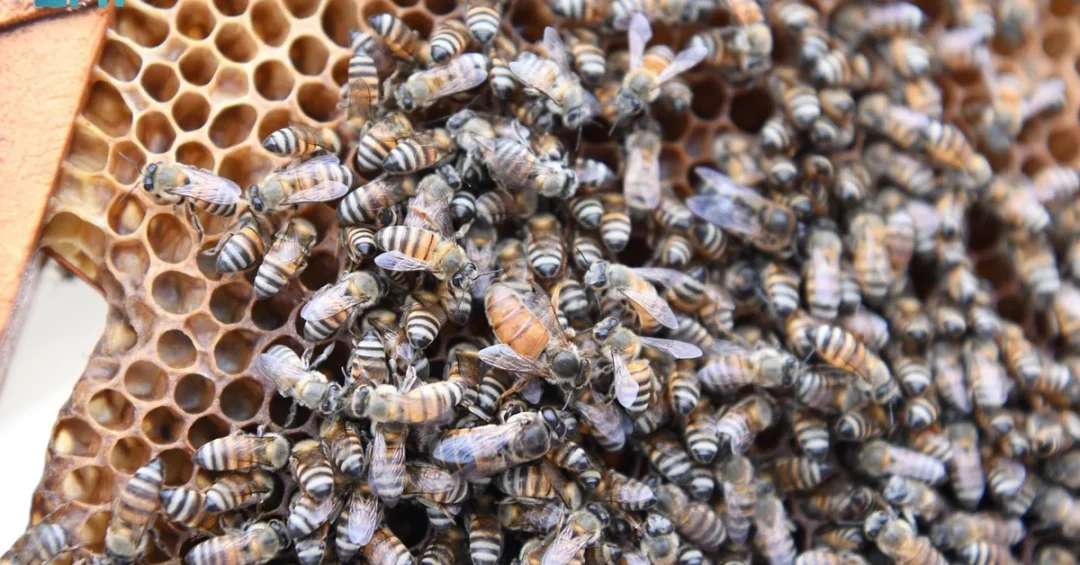
Jazan region in Saudi Arabia is renowned for its flourishing honey industry, a legacy deeply connected to the region’s unique environmental diversity that provides the ideal conditions for producing exceptional honey. For centuries, beekeeping has been a vital part of local life, making Jazan honey a distinguished and sought-after product both in the Kingdom and internationally.
Context and Background
The region’s rich and varied flora is essential to Jazan’s honey diversity, with numerous flowering plants providing vital nutrition for bees and contributing to the unique characteristics of each honey variety. Honey production in Jazan is a central economic driver, with over 4,000 beekeepers, including 1,150 licensed professionals, contributing to its success and producing more than 192,364 tons annually. The region is home to a significant portion of Saudi Arabia’s beehives, and a large share of its honey is exported to markets across the Gulf and internationally, further boosting the local economy.
Key Details
The Ministry of Environment, Water and Agriculture is a key supporter of Jazan’s honey industry, implementing various initiatives to bolster its growth and development. These initiatives include supplying beekeepers with advanced beehives, conducting training programs on the latest honey production techniques, and establishing specialized laboratories for honey quality testing and certification. The ministry also facilitates the electronic marketing of honey products through digital platforms, expanding market access for beekeepers.
Implications and Impact
Jazan honey is highly valued in both local and foreign markets for its superior quality, variety, and unique taste. Authorities continue to enhance production and boost exports, contributing to economic growth, creating jobs, and strengthening Jazan’s status as a major honey production hub in the Middle East.
Vision 2030 Alignment
Looking ahead, the ministry has ambitious strategic objectives for the beekeeping sector to significantly increase honey production, improve hive productivity, and enhance self-sufficiency in both honey and beehives. By 2030, the ministry aims to boost honey production to 14,000 tons annually and achieve 55% self-sufficiency, up from the current 5,800 tons and 28%. It also intends to increase hive productivity to 6.8 kilograms per hive per year and raise self-sufficiency in beehives to 75%. Efforts are underway to establish five alliances for manufacturing and marketing bee products. These targets align directly with Saudi Arabia’s Vision 2030 goals of economic diversification, rural development, and sustainable agriculture, positioning Jazan as a key contributor to the Kingdom’s non-oil GDP.
20 Questions
Q1. What is the Jazan honey industry?
A1. The Jazan honey industry encompasses beekeeping, honey production, and marketing in the Jazan region of Saudi Arabia, known for its high-quality honey varieties derived from diverse local flora.
Q2. Why is Jazan region ideal for honey production?
A2. Jazan’s unique environmental diversity, including a rich variety of flowering plants, provides ideal conditions for bees to produce honey with distinct flavors and nutritional properties.
Q3. How many beekeepers are there in Jazan?
A3. Jazan is home to over 4,000 beekeepers, of which 1,150 are licensed professionals, contributing to a thriving honey sector.
Q4. How much honey does Jazan produce annually?
A4. The region produces more than 192,364 tons of honey each year, supporting local consumption and exports.
Q5. What is the economic importance of Jazan honey?
A5. Honey production drives local economic growth, creates jobs, and strengthens Jazan’s status as a major honey production hub in the Middle East.
Q6. Does Jazan export honey?
A6. Yes, a significant share of Jazan’s honey is exported to markets across the Gulf region and internationally.
Q7. What role does the Ministry of Environment, Water and Agriculture play?
A7. The ministry supports beekeepers through advanced beehives, training programs, quality testing laboratories, and electronic marketing platforms.
Q8. Are there training programs for beekeepers?
A8. Yes, the ministry conducts training programs on the latest honey production techniques to enhance beekeeper skills and productivity.
Q9. How is honey quality ensured?
A9. Specialized laboratories for honey quality testing and certification have been established by the Ministry of Environment, Water and Agriculture.
Q10. How does electronic marketing help beekeepers?
A10. Electronic marketing through digital platforms expands market access for beekeepers, enabling them to reach a wider customer base.
Q11. What are the 2030 production targets for Jazan honey?
A11. The ministry aims to boost honey production to 14,000 tons annually by 2030, up from the current 5,800 tons.
Q12. What is the self-sufficiency target for honey by 2030?
A12. The target is to achieve 55% self-sufficiency in honey by 2030, compared to the current 28%.
Q13. What is the target for hive productivity?
A13. The ministry aims to increase hive productivity to 6.8 kilograms per hive per year by 2030.
Q14. What is the target for self-sufficiency in beehives?
A14. The goal is to raise self-sufficiency in beehives to 75% by 2030.
Q15. How many alliances for bee product marketing are planned?
A15. Efforts are underway to establish five alliances for manufacturing and marketing bee products.
Q16. How does Jazan honey align with Vision 2030?
A16. The honey industry supports Vision 2030 goals of economic diversification, rural development, and sustainable agriculture, reducing dependence on oil.
Q17. What makes Jazan honey unique in taste?
A17. The region’s diverse flora imparts distinct flavors to Jazan honey, making it highly valued for its variety and superior taste.
Q18. Is Jazan honey popular internationally?
A18. Yes, Jazan honey is sought after in local and foreign markets for its quality, variety, and unique taste, strengthening Saudi exports.
Q19. How does honey production create jobs?
A19. Beekeeping, processing, and marketing activities generate employment opportunities for local communities, supporting economic growth.
Q20. What is the future outlook for Jazan honey?
A20. With government support and strategic targets, Jazan honey is set to expand production, exports, and economic contribution, solidifying its regional leadership.
Reader Feedback
We value your thoughts. Please share your feedback on this article.
Your feedback helps us improve our coverage.