


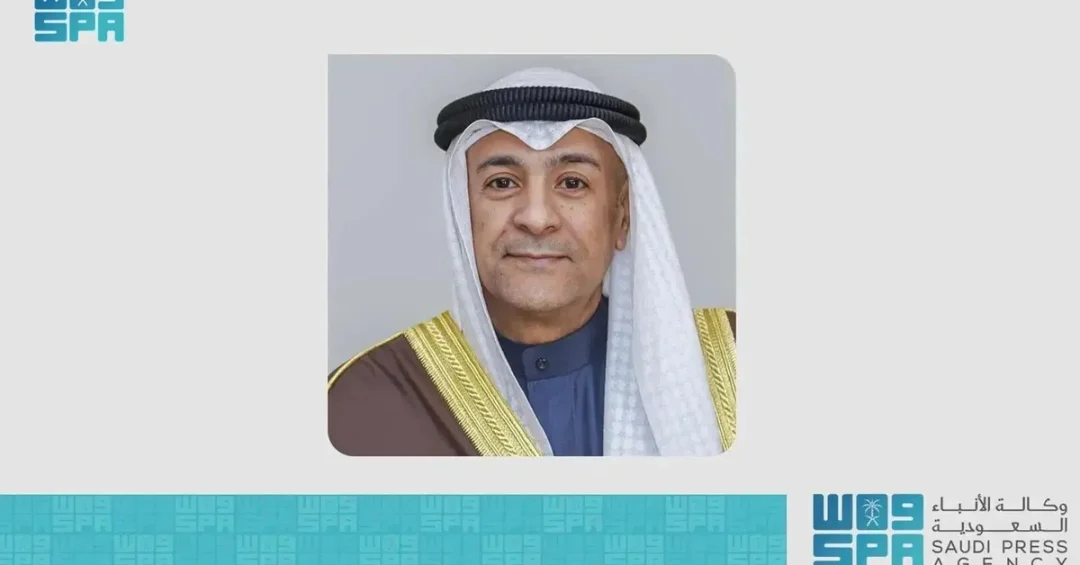
GCC Secretary-General Jasem Mohamed Albudaiwi held a video call on February 4, 2025, with Uzbekistan’s Deputy Prime Minister and Minister of Economy and Finance Jamshid Kuchkarov to discuss strengthening bilateral relations between the Gulf Cooperation Council (GCC) and Uzbekistan. Both officials underscored the importance of deepening cooperation in economics, investment, and finance to serve mutual interests.
Context and Background
The meeting reflects the GCC’s ongoing efforts to expand partnerships with Central Asian nations, a region of growing strategic importance. Uzbekistan, with its rapidly reforming economy and young population, has emerged as a key partner for GCC countries seeking to diversify economic ties beyond traditional energy markets. The discussion builds on previous diplomatic engagements, including high-level visits and trade missions, aimed at fostering greater integration between the Gulf and Central Asia.
Key Details
During the call, Albudaiwi and Kuchkarov reaffirmed their commitment to advancing cooperation across all sectors. Specific areas of focus included enhancing trade flows, facilitating joint investments, and exploring financial collaboration. The officials also discussed mechanisms to overcome barriers and create a conducive environment for business partnerships. The video call format underscores the GCC’s adaptive diplomacy, leveraging technology to maintain dialogue despite geographical distances.
Implications and Impact
Enhanced GCC-Uzbekistan relations could unlock new economic corridors, linking Gulf capital and logistics with Uzbekistan’s manufacturing and agricultural potential. For the GCC, this alignment supports energy security and food supply chain diversification. For Uzbekistan, closer ties offer access to Gulf investment funds and markets, accelerating its modernization agenda. The meeting also signals the GCC’s proactive engagement with non-Arab partners, broadening its geopolitical and economic footprint in Central Asia.
Vision 2030 Alignment
This diplomatic outreach aligns with Saudi Arabia’s Vision 2030, which prioritizes economic diversification, international partnerships, and regional stability. By fostering cooperation with countries like Uzbekistan, the GCC—led by Saudi Arabia—demonstrates its commitment to building a globally interconnected economy. Such partnerships enable knowledge exchange, technology transfer, and shared prosperity, contributing to the Kingdom’s long-term goals of reducing oil dependence and positioning itself as a hub for trade and investment.
20 Questions
Q1. What was the main topic of the video call between GCC Secretary-General and Uzbekistan’s Minister?
A1. The main topic was enhancing cooperation between the GCC and Uzbekistan, with a focus on economics, investment, and finance to serve mutual interests.
Q2. Who participated in the video call?
A2. GCC Secretary-General Jasem Mohamed Albudaiwi and Uzbekistan’s Deputy Prime Minister and Minister of Economy and Finance Jamshid Kuchkarov participated.
Q3. When did the video call take place?
A3. The video call took place on February 4, 2025.
Q4. Which sectors were highlighted for cooperation?
A4. The sectors highlighted were economics, investment, and finance.
Q5. What is the significance of Uzbekistan for the GCC?
A5. Uzbekistan is a key Central Asian partner with a reforming economy, offering opportunities for trade, investment, and economic diversification for the GCC.
Q6. How does this meeting fit into GCC’s broader diplomatic strategy?
A6. It is part of the GCC’s efforts to expand partnerships with Central Asian nations, enhancing its geopolitical and economic footprint beyond traditional allies.
Q7. What mechanisms were discussed to foster cooperation?
A7. Officials discussed overcoming barriers and creating a conducive environment for business partnerships, though specific mechanisms were not detailed.
Q8. Why did the meeting use a video call format?
A8. The video call format demonstrates adaptive diplomacy, allowing continued dialogue despite geographical distances.
Q9. What are the potential economic benefits for Uzbekistan?
A9. Uzbekistan could gain access to Gulf investment funds and markets, accelerating its modernization and economic development.
Q10. What are the potential benefits for GCC countries?
A10. GCC countries may diversify trade and investment, enhance energy security, and secure food supply chains through partnerships with Central Asia.
Q11. Does this meeting relate to Saudi Arabia’s Vision 2030?
A11. Yes, it aligns with Vision 2030 goals of economic diversification, international partnerships, and reduced oil dependence.
Q12. How does the GCC view its relationship with Uzbekistan?
A12. The GCC views it as a strong and important relationship with commitment to advancing ties for mutual benefit.
Q13. What previous engagements have occurred between the GCC and Uzbekistan?
A13. Previous engagements include high-level visits and trade missions aimed at fostering integration between the Gulf and Central Asia.
Q14. What is the role of Saudi Arabia in the GCC’s outreach to Uzbekistan?
A14. Saudi Arabia, as a leading GCC member, supports this outreach as part of its Vision 2030 objectives for global economic integration.
Q15. Could this cooperation lead to new economic corridors?
A15. Yes, enhanced relations could unlock new economic corridors linking Gulf capital and logistics with Uzbekistan’s manufacturing and agriculture.
Q16. Is this the first such discussion between the GCC and Uzbekistan?
A16. The text does not specify if it is the first, but it builds on previous diplomatic engagements.
Q17. What official source confirmed the meeting?
A17. The Saudi Press Agency (SPA) confirmed the meeting.
Q18. How does the meeting support regional stability?
A18. By fostering economic interdependence and dialogue, such cooperation contributes to regional stability and shared prosperity.
Q19. What is the tone of the meeting?
A19. The tone was positive and forward-looking, with both sides expressing commitment to deepening ties.
Q20. What is the expected next step after this discussion?
A20. While not specified, typical next steps include follow-up working groups or agreements to implement cooperation in identified sectors.
Reader Feedback
We value your thoughts. Please share your feedback on this article.
Your feedback helps us improve our coverage.