


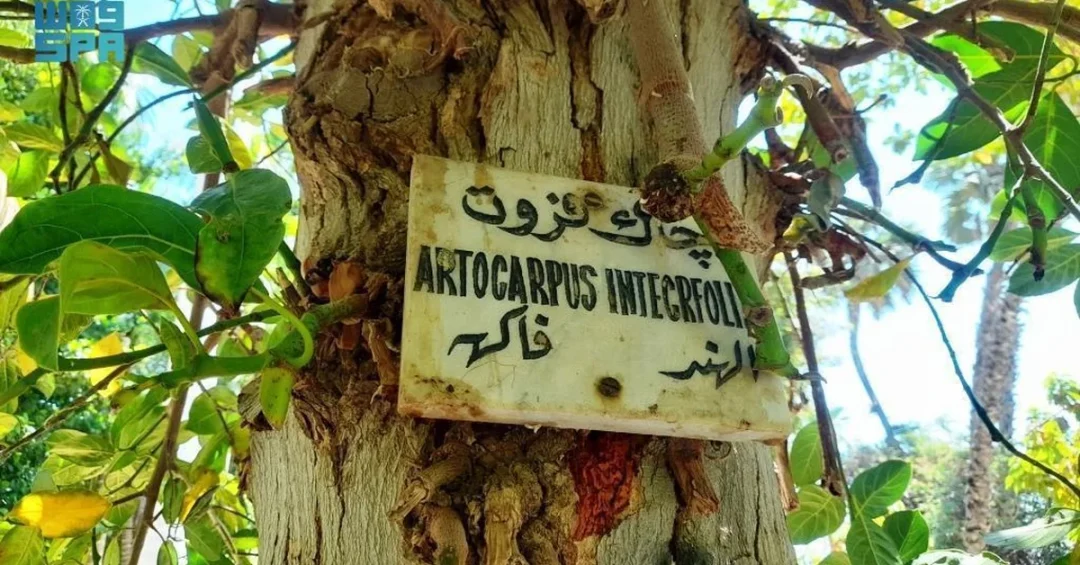
Aswan’s “Island of Plants,” an 18-acre botanical garden on the Nile River in Egypt, features a living museum of 767 plant species and a seed bank of 393 species, according to the Saudi Press Agency. Established over two centuries ago, the island serves as a research site for plant adaptation to hot climates and has been managed since 1928 by the Egyptian Ministry of Agriculture, which introduced a wide range of tropical and subtropical species.
Context and Background
Formed by the Nile River over granite bedrock, the island functions as a unique botanical reserve and living laboratory. Its collection includes timber trees, tropical and subtropical fruit trees, aromatic plants, spices, and ornamental varieties. The site also houses a herbarium with 1,779 dried plant specimens, offering a comprehensive reference for botanical studies.
Key Details
The island’s seed bank preserves 393 species from 79 families, ensuring accessibility for future research. A dedicated museum displays a fascinating array of fruits and seeds, complementing the outdoor collections. This meticulous organization underscores the island’s role as both a tourist attraction and a scientific asset.
Implications and Impact
While located in Egypt, the island aligns with broader regional efforts to preserve biodiversity and promote sustainable tourism—key priorities under Saudi Arabia’s Vision 2030. The preservation and study of plant species in arid environments offer valuable insights for similar initiatives in the Kingdom, which is investing in botanical gardens and environmental conservation as part of its green agenda.
Vision 2030 Alignment
The Island of Plants exemplifies how botanical heritage can drive research, tourism, and environmental stewardship. Saudi Arabia, through its Vision 2030, is advancing similar projects such as the King Salman Park and the Saudi Green Initiative, reinforcing its commitment to biodiversity and sustainable development. The island’s success provides a model for cross-regional collaboration in preserving natural heritage for future generations.
20 Questions
Q1. What is Aswan’s Island of Plants?
A1. It is an 18-acre botanical garden on the Nile River in Aswan, Egypt, featuring a diverse collection of plant species and serving as a living museum and research site.
Q2. How many plant species are on the island?
A2. The island boasts 767 plant species, including timber trees, tropical and subtropical fruit trees, aromatic plants, spices, and ornamental varieties.
Q3. When was the island established?
A3. The island’s history spans over two centuries, with formal botanical management beginning in 1928 under the Egyptian Ministry of Agriculture.
Q4. What is the purpose of the island’s seed bank?
A4. The seed bank preserves 393 species from 79 families for future research and ensures easy access for scientific study.
Q5. What is a herbarium, and how many specimens are on the island?
A5. A herbarium is a collection of preserved plant specimens. The island’s herbarium contains 1,779 dried specimens for reference.
Q6. How does the island contribute to research?
A6. It serves as a site for studying plant adaptation to hot climates, aiding in agricultural and environmental research.
Q7. Who manages the island?
A7. The Egyptian Ministry of Agriculture has managed the island since 1928, introducing tropical and subtropical species.
Q8. What types of plants are displayed on the island?
A8. Plants are categorized by use: timber trees, fruit trees, aromatic plants, spices, and ornamental species.
Q9. What is the geological feature of the island?
A9. The island is formed by the Nile River covering granite bedrock, providing a unique foundation for plant growth.
Q10. Does the island have a museum?
A10. Yes, a museum showcases a fascinating array of fruits and seeds, complementing the outdoor botanical displays.
Q11. How many dried plant specimens are in the herbarium?
A11. The herbarium contains 1,779 dried plant specimens, offering a comprehensive reference collection.
Q12. How does the island support biodiversity?
A12. By preserving diverse species and serving as a living museum, it contributes to conservation and education.
Q13. Is the island open to tourists?
A13. Yes, the island functions as a tourist attraction, allowing visitors to explore its botanical gardens and museum.
Q14. How does the island relate to Vision 2030?
A14. It aligns with regional goals for biodiversity preservation and sustainable tourism, which are priorities under Saudi Arabia’s Vision 2030.
Q15. What is the significance of the seed bank?
A15. It ensures the long-term preservation of plant genetic material for research and potential restoration projects.
Q16. How many families are represented in the seed bank?
A16. The seed bank includes 393 species from 79 plant families.
Q17. What is the size of the island?
A17. The Island of Plants covers 18 acres.
Q18. Why is the island called a living museum?
A18. It houses a live collection of plants for display, education, and research, similar to a museum’s exhibits.
Q19. What other botanical projects exist in Saudi Arabia?
A19. Saudi Arabia’s Vision 2030 includes projects like King Salman Park and the Saudi Green Initiative, focusing on green spaces and conservation.
Q20. How does the island benefit the local community?
A20. It provides educational opportunities, attracts tourism, and supports agricultural research that can aid local farming.
Reader Feedback
We value your thoughts. Please share your feedback on this article.
Your feedback helps us improve our coverage.