


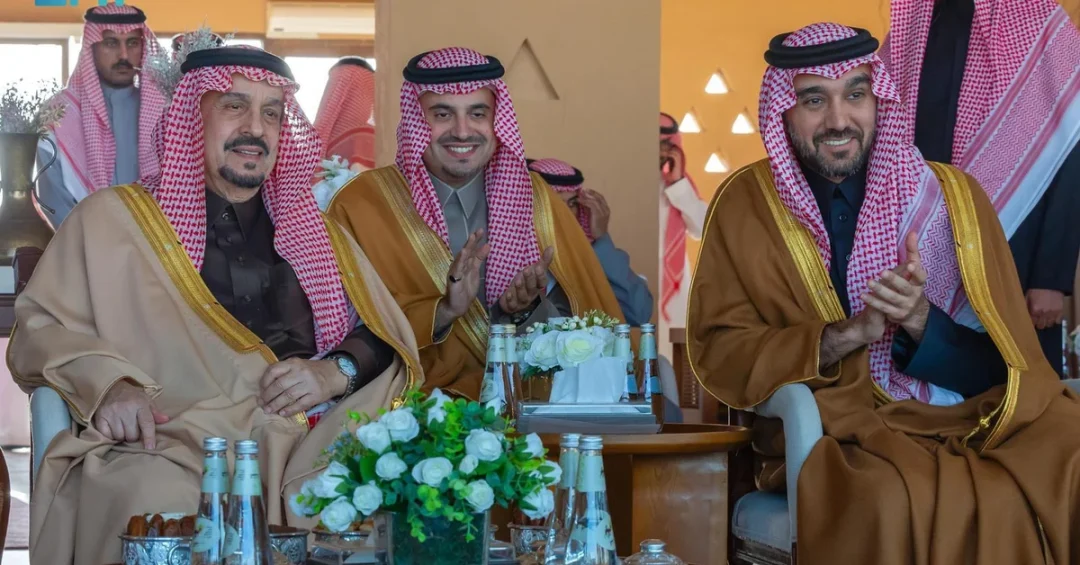
Governor of Riyadh Region Prince Faisal bin Bandar bin Abdulaziz crowned the winners of the second edition of the Custodian of the Holy Mosques Camel Festival on February 5, 2025, at Al-Janadriyah Field in Riyadh. The event, held under the patronage of the Custodian of the Two Holy Mosques, King Salman bin Abdulaziz Al Saud, saw Prince Faisal deputizing for His Royal Highness Prince Mohammed bin Salman bin Abdulaziz Al Saud, Crown Prince and Prime Minister of the Kingdom of Saudi Arabia.
Context and Background
The Custodian of the Holy Mosques Camel Festival is a prestigious event celebrating Saudi Arabia’s rich cultural heritage, particularly the camel’s significance as a symbol of national identity and Bedouin tradition. The second edition underscored the Kingdom’s commitment to preserving its historical legacy while aligning with modern visions of cultural promotion and tourism under Vision 2030. Camel festivals in Saudi Arabia have gained international recognition as platforms for showcasing traditional sports, crafts, and social gatherings that attract visitors and participants from across the region.
Key Details
Upon arrival at the festival venue, Prince Faisal was received by Minister of Sports and President of the Saudi Olympic and Paralympic Committee (SOPC) Prince Abdulaziz bin Turki bin Faisal bin Abdulaziz and Vice President of the SOPC and Chairman of the Saudi Camel Federation Prince Fahd bin Jalawi bin Abdulaziz bin Musaed. The ceremony began with the royal anthem. The Riyadh governor presented awards to the festival winners and later honored the event’s sponsors. The festival featured competitions that highlighted camel breeding, racing, and beauty contests, drawing widespread participation and public interest.
Implications and Impact
The festival strengthens Saudi Arabia’s cultural diplomacy and tourism appeal, promoting the Kingdom as a destination for authentic heritage experiences. It also reinforces the role of camel-related activities in supporting local economies and engaging communities. The recognition of winners at the highest level reflects the government’s dedication to preserving intangible cultural heritage and fostering pride in national traditions. Such events contribute to regional cultural exchange and boost Saudi Arabia’s image as a custodian of Arab heritage.
Vision 2030 Alignment
The Custodian of the Holy Mosques Camel Festival aligns closely with Vision 2030’s goals of enriching cultural life, diversifying the economy through tourism, and celebrating Saudi heritage. By supporting events that attract international visitors and highlight traditional practices, the Kingdom advances its ambition to become a global cultural hub. The festival exemplifies how historical customs are integrated into a modern, forward-looking national narrative, reinforcing Saudi Arabia’s commitment to its roots while pursuing a prosperous future.
20 Questions
Q1. Who crowned the winners of the second edition of the Custodian of the Holy Mosques Camel Festival?
A1. Governor of Riyadh Region Prince Faisal bin Bandar bin Abdulaziz crowned the winners on behalf of the Custodian of the Two Holy Mosques, King Salman, and Crown Prince Mohammed bin Salman.
Q2. When and where did the festival take place?
A2. The festival took place on February 5, 2025, at Al-Janadriyah Field in Riyadh.
Q3. Under whose patronage was the festival held?
A3. The festival was held under the patronage of the Custodian of the Two Holy Mosques, King Salman bin Abdulaziz Al Saud.
Q4. Who did Prince Faisal deputize for at the ceremony?
A4. He deputized for His Royal Highness Prince Mohammed bin Salman bin Abdulaziz Al Saud, Crown Prince and Prime Minister of Saudi Arabia.
Q5. Who received Prince Faisal upon his arrival at the festival?
A5. Minister of Sports Prince Abdulaziz bin Turki bin Faisal bin Abdulaziz and Vice President of SOPC Prince Fahd bin Jalawi bin Abdulaziz bin Musaed received him.
Q6. What did Prince Faisal do during the ceremony?
A6. He presented awards to the festival winners and later honored the event’s sponsors.
Q7. What is the significance of the Custodian of the Holy Mosques Camel Festival?
A7. It celebrates Saudi Arabia’s cultural heritage, particularly the camel’s role in national identity, and promotes traditional sports and crafts under Vision 2030.
Q8. How does the festival align with Vision 2030?
A8. It supports cultural enrichment, tourism diversification, and heritage preservation, contributing to Saudi Arabia’s goal of becoming a global cultural hub.
Q9. What types of competitions were featured at the festival?
A9. The festival featured camel breeding, racing, and beauty contests, along with other traditional activities.
Q10. Who are the key officials involved in organizing the festival?
A10. The Saudi Camel Federation, under Chairman Prince Fahd bin Jalawi, and the Ministry of Sports played key roles in organizing the event.
Q11. What is the role of the Saudi Camel Federation?
A11. The federation oversees camel-related sports and cultural events, promoting the heritage and ensuring high standards in competitions.
Q12. How does the festival benefit local communities?
A12. It supports local economies by attracting visitors, creating opportunities for breeders and artisans, and fostering community engagement.
Q13. Is the festival open to international participants?
A13. Yes, the festival attracts participants and visitors from across the region, enhancing cultural exchange and international interest.
Q14. What message does the festival send about Saudi Arabia’s cultural policies?
A14. It demonstrates the Kingdom’s commitment to preserving intangible cultural heritage while integrating tradition with modern development goals.
Q15. How does the patronage of King Salman reflect Saudi Arabia’s priorities?
A15. It highlights the leadership’s dedication to heritage and culture as pillars of national identity and economic diversification.
Q16. What is the historical significance of camels in Saudi Arabia?
A16. Camels have been central to Bedouin life, serving as transportation, food, and symbols of wealth and resilience for centuries.
Q17. Are there plans to expand the festival in future editions?
A17. While no specific plans were announced, the success of the second edition suggests potential growth to attract more international participation.
Q18. How does the festival promote tourism?
A18. It showcases unique Saudi traditions, drawing cultural tourists and media attention to the Kingdom’s heritage offerings.
Q19. What role do sponsors play in the festival?
A19. Sponsors support the event financially and logistically, enabling high-quality organization and prizes for winners.
Q20. How does the festival contribute to the global image of Saudi Arabia?
A20. It portrays Saudi Arabia as a custodian of Arab heritage, welcoming international visitors and fostering cultural diplomacy in line with Vision 2030.
Reader Feedback
We value your thoughts. Please share your feedback on this article.
Your feedback helps us improve our coverage.