


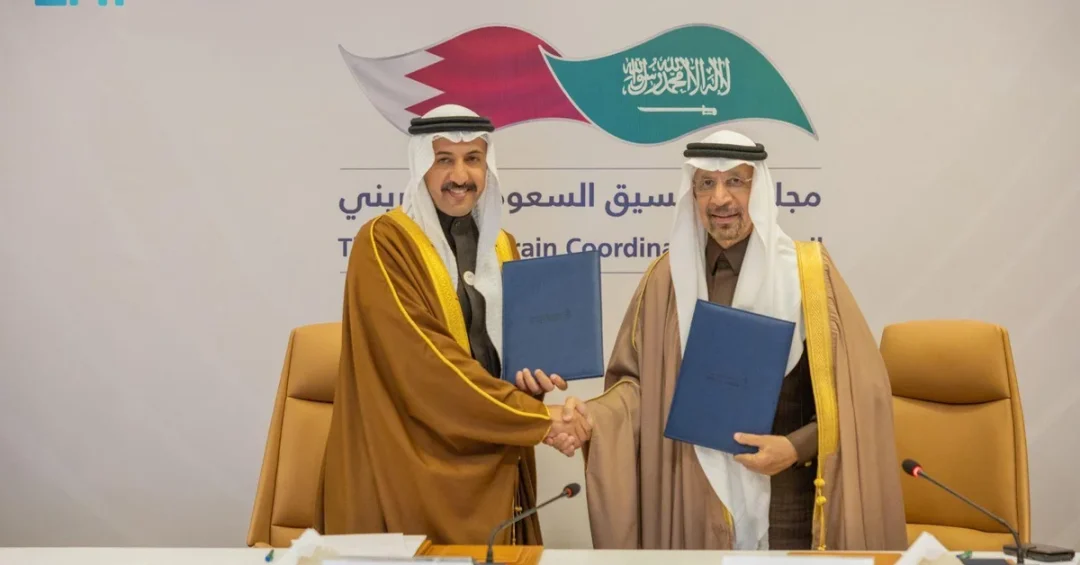
Saudi Arabia and Bahrain convened the third round of the subcommittee on investment, environment, and infrastructure in Khobar on February 6, 2025, under the umbrella of the Saudi-Bahraini Coordination Council. The meeting was co-chaired by Saudi Minister of Investment Khalid Al-Falih and Bahrain’s Minister of Transportation and Telecommunications Shaikh Abdullah bin Ahmed Al Khalifa, alongside representatives from both the public and private sectors.
Context and Background
The Saudi-Bahraini Coordination Council serves as a strategic platform to deepen bilateral ties across multiple domains. This third subcommittee meeting underscores the commitment of both kingdoms to translate high-level political will into tangible economic and infrastructure outcomes. The session builds on previous rounds that have already yielded progress in investment facilitation and environmental cooperation.
Key Details
Discussions focused on expanding investment partnerships, promoting joint opportunities, and enhancing logistical connectivity. Specific attention was given to infrastructure projects, maritime and air links, and food security supply chains. Both sides expressed keenness to continue dialogue on initiatives that strengthen regional integration and economic resilience, aligning with broader Gulf Cooperation Council objectives.
Implications and Impact
The enhanced Saudi-Bahraini cooperation is expected to boost cross-border investment flows, streamline trade logistics, and foster joint ventures in infrastructure and technology. Improved connectivity between the two kingdoms supports the stability and prosperity of the Eastern Province and the Gulf region, creating a model for intra-GCC collaboration. Such efforts also contribute to diversifying economies away from oil dependency.
Vision 2030 Alignment
This meeting directly supports Saudi Vision 2030 goals of economic diversification, regional integration, and sustainable development. By strengthening ties with Bahrain, Saudi Arabia advances its ambition to become a global investment powerhouse and a logistical hub connecting three continents. The collaboration on food security and green infrastructure also reflects Vision 2030’s emphasis on environmental sustainability and self-sufficiency.
20 Questions
Q1. What was the purpose of the subcommittee meeting?
A1. The third round aimed to enhance Saudi-Bahraini cooperation in investment, environment, and infrastructure, reviewing progress and exploring new opportunities for partnership.
Q2. Who co-chaired the meeting?
A2. Saudi Minister of Investment Khalid Al-Falih and Bahrain’s Minister of Transportation and Telecommunications Shaikh Abdullah bin Ahmed Al Khalifa co-chaired their respective delegations.
Q3. When and where did the meeting take place?
A3. The meeting was held on February 6, 2025, in Khobar, Eastern Region, Saudi Arabia.
Q4. What is the Saudi-Bahraini Coordination Council?
A4. It is a bilateral council established to coordinate and deepen strategic cooperation between Saudi Arabia and Bahrain across political, economic, and social fields.
Q5. Which sectors were discussed during the meeting?
A5. Sectors discussed included investment, environment, infrastructure, logistics, maritime and air connectivity, and food security supply chains.
Q6. Why is food security a focus of the cooperation?
A6. Enhancing food security supply chains reduces reliance on imports, strengthens regional self-sufficiency, and aligns with both countries’ national food security strategies.
Q7. How does this meeting support Vision 2030?
A7. It supports economic diversification, logistics hub ambitions, and sustainable development goals central to Vision 2030.
Q8. What role did the private sector play?
A8. Representatives from both public and private sectors participated, fostering public-private partnerships and ensuring business perspectives are integrated into bilateral initiatives.
Q9. What is the significance of improving maritime and air links?
A9. Better links boost trade, tourism, and people-to-people ties, facilitating the movement of goods and citizens between the two kingdoms.
Q10. Does this subcommittee meet regularly?
A10. Yes, it is part of a structured process under the Coordination Council, with periodic rounds to track progress and set new priorities.
Q11. What previous rounds achieved?
A11. Earlier rounds laid groundwork for investment facilitation, infrastructure project alignment, and environmental cooperation, leading to ongoing joint initiatives.
Q12. How does this benefit the Eastern Region of Saudi Arabia?
A12. The Eastern Region gains from cross-border investments, improved logistics, and stronger economic ties with Bahrain, enhancing its role as a regional hub.
Q13. What is the environmental aspect of the subcommittee?
A13. It covers environmental cooperation, including sustainability projects and green infrastructure, aligning with global climate goals and national environmental strategies.
Q14. Are there any specific investment projects discussed?
A14. Specific projects were not disclosed, but discussions focused on expanding partnerships and developing opportunities in targeted sectors.
Q15. How does this relate to GCC integration?
A15. It reinforces intra-GCC cooperation, setting a model for economic integration and collective action among Gulf states toward shared regional goals.
Q16. Who represented Bahrain besides the Minister?
A16. The delegation included government officials and private sector representatives, though individual names were not specified in the official statement.
Q17. What is the timeline for implementing discussed initiatives?
A17. No specific timeline was given, but ongoing follow-up and future subcommittee rounds will track implementation.
Q18. How does the meeting impact Saudi-Bahraini relations?
A18. It deepens the strong fraternal ties, signaling continued commitment to strategic partnership and mutual prosperity.
Q19. Which other ministries are involved in related cooperation?
A19. Besides investment and transport, ministries of environment, infrastructure, and food security likely participate, reflecting the subcommittee’s multidisciplinary scope.
Q20. What is the next step after this meeting?
A20. Both sides will continue to work on agreed initiatives and prepare for the next subcommittee round, with ongoing technical-level coordination.
Reader Feedback
We value your thoughts. Please share your feedback on this article.
Your feedback helps us improve our coverage.