


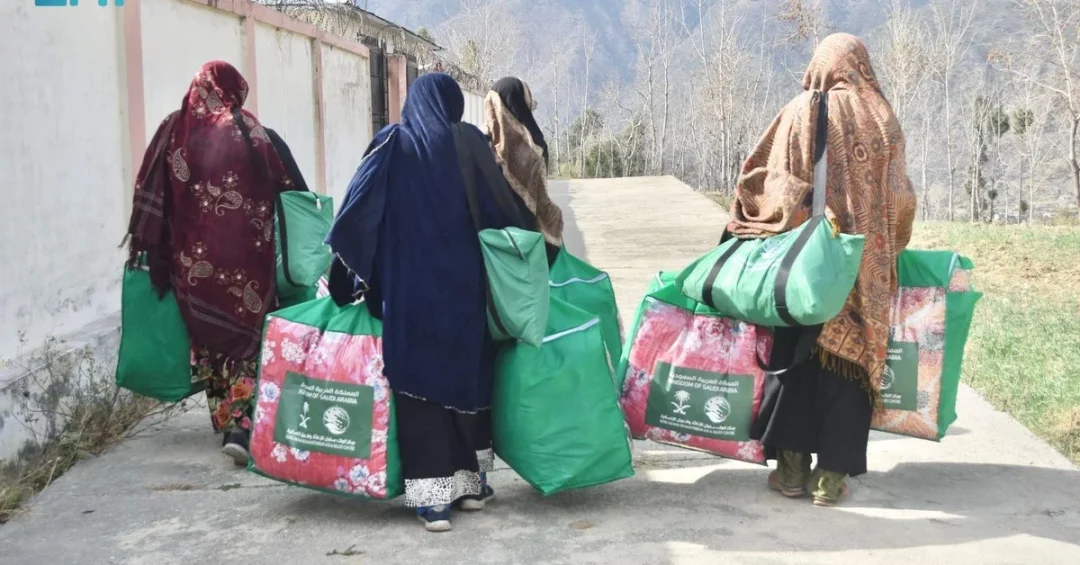
The King Salman Humanitarian Aid and Relief Center (KSrelief) distributed 4,450 winter kits to 33,036 individuals across Sindh, Punjab, and Khyber Pakhtunkhwa provinces in Pakistan on February 9, 2025. This humanitarian initiative, announced by the Saudi Press Agency, underscores the Kingdom of Saudi Arabia’s ongoing commitment to supporting vulnerable communities worldwide during harsh winter conditions.
Context and Background
KSrelief, established in 2015 under the directive of the Custodian of the Two Holy Mosques, King Salman bin Abdulaziz Al Saud, serves as Saudi Arabia’s primary humanitarian arm. The center operates in over 80 countries, delivering aid in disaster relief, health, education, and livelihood support. The winter kits distribution in Pakistan is part of a broader seasonal relief program targeting regions affected by extreme weather, reflecting Saudi Arabia’s proactive humanitarian diplomacy.
Key Details
The winter kits included thermal clothing, blankets, and other essential items to protect against cold temperatures. Beneficiaries were identified in coordination with local authorities in the three provinces, ensuring aid reached displaced persons, low-income families, and other vulnerable groups. This initiative follows similar KSrelief distributions in other countries, including Syria and Yemen, as part of the Kingdom’s annual winter relief campaign.
Implications and Impact
Pakistan has frequently faced severe winter conditions, particularly in northern regions and refugee settlements. KSrelief’s timely assistance helps mitigate health risks such as hypothermia and respiratory illnesses among vulnerable populations. This aid strengthens Pakistan-Saudi Arabia bilateral relations, reinforcing Saudi Arabia’s role as a leading global humanitarian donor. According to the UN, Saudi Arabia consistently ranks among the top humanitarian donors relative to its GDP.
Vision 2030 Alignment
This humanitarian effort aligns with Vision 2030’s goal of fostering a global role for Saudi Arabia beyond energy markets, emphasizing compassion, international cooperation, and sustainable development. By delivering aid efficiently and transparently, KSrelief exemplifies the Kingdom’s commitment to making a lasting impact. Future plans include expanding winter relief programs to other affected regions, continuing to support communities in need worldwide.
20 Questions
Q1. What is KSrelief?
A1. KSrelief is the King Salman Humanitarian Aid and Relief Center, established in 2015 and based in Riyadh. It coordinates and implements Saudi Arabia’s humanitarian and relief projects internationally.
Q2. When did KSrelief distribute winter kits in Pakistan?
A2. The distribution took place on February 9, 2025, as part of a seasonal relief effort to protect vulnerable communities from cold weather.
Q3. How many winter kits were distributed?
A3. A total of 4,450 winter kits were provided to beneficiaries in the affected areas.
Q4. How many individuals benefited from the distribution?
A4. The kits reached approximately 33,036 individuals across three provinces in Pakistan.
Q5. Which provinces received the aid?
A5. The aid was distributed in Sindh, Punjab, and Khyber Pakhtunkhwa provinces, covering both urban and rural communities.
Q6. What items were included in the winter kits?
A6. The winter kits contained thermal clothing, blankets, and other essential supplies to help recipients withstand low temperatures.
Q7. Is KSrelief operational in other countries?
A7. Yes, KSrelief conducts projects in over 80 countries, focusing on health, food security, education, and emergency relief needs.
Q8. Why did KSrelief choose Pakistan for this distribution?
A8. Pakistan faces severe winters, especially in northern areas and among displaced populations. KSrelief identified vulnerability through local coordination.
Q9. Who is the head of KSrelief?
A9. KSrelief is supervised by its General Supervisor, Abdullah Al Rabeeah, who also serves as an advisor at the Saudi Royal Court.
Q10. How does KSrelief fund its projects?
A10. Projects are funded by the Saudi government, donations from the public, and contributions from international partners.
Q11. Does this distribution relate to Vision 2030?
A11. Yes, it reflects Saudi Arabia’s Vision 2030 goal of building a compassionate global role through effective humanitarian work.
Q12. What other winter aid has KSrelief provided recently?
A12. KSrelief has distributed winter supplies in Syria, Yemen, and Afghanistan, among other countries facing harsh climates.
Q13. How does KSrelief ensure aid reaches the intended beneficiaries?
A13. KSrelief coordinates with local authorities, UN agencies, and NGOs to verify needs and monitor distribution channels.
Q14. Is this the first time KSrelief has operated in Pakistan?
A14. No, KSrelief has previously conducted multiple projects in Pakistan, including flood relief, health camps, and education programs.
Q15. What is the official source for this news?
A15. The information was officially released by the Saudi Press Agency (SPA), the Kingdom’s authoritative news source.
Q16. How does this aid impact local communities?
A16. It helps prevent cold-related illnesses and provides warmth to families who cannot afford heating supplies, easing winter hardship.
Q17. What is the long-term goal of KSrelief’s winter program?
A17. The program aims to provide sustained support to vulnerable populations beyond emergency relief, incorporating livelihood and resilience building.
Q18. How is KSrelief’s performance measured?
A18. Performance is measured through impact assessments, beneficiary feedback, and compliance with international humanitarian standards.
Q19. Can individuals donate to KSrelief?
A19. Yes, KSrelief accepts donations through its official platforms, allowing supporters to contribute to specific relief campaigns.
Q20. What are the future plans for KSrelief in Pakistan?
A20. KSrelief plans to continue collaborating with Pakistani authorities to address future humanitarian needs, including seasonal aid and development projects.
Reader Feedback
We value your thoughts. Please share your feedback on this article.
Your feedback helps us improve our coverage.