


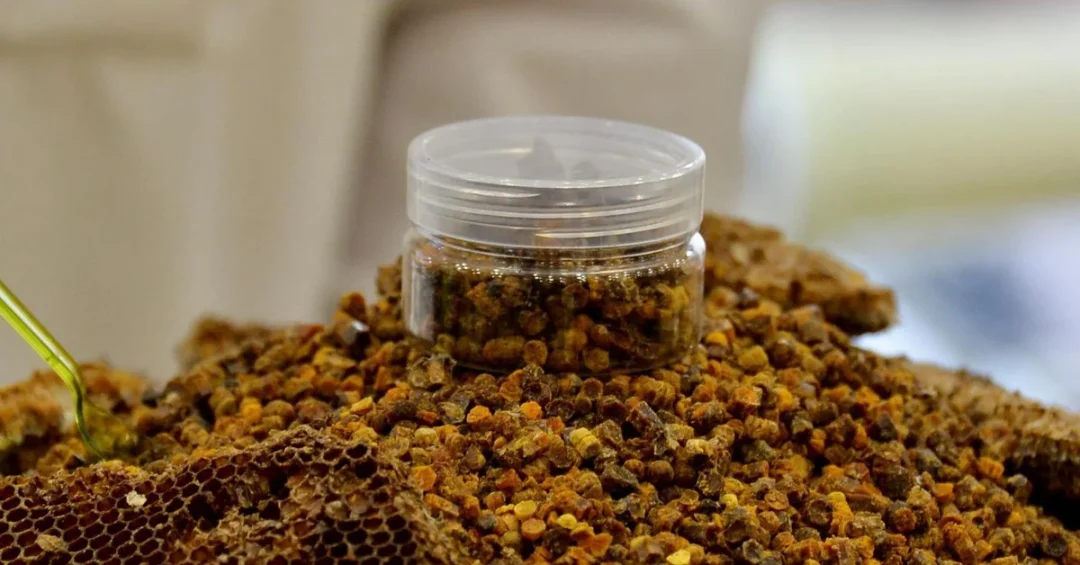
The 16th Klija Festival in Buraidah, organized under the patronage of the Qassim Region Governorate, opened on February 9, 2025, offering a vibrant platform for honey producers, artisans, and small businesses to showcase their products. The festival, a key event in Saudi Arabia’s cultural calendar, attracts visitors from across the Kingdom and beyond, highlighting traditional crafts and natural products.
Context and Background
The Klija Festival, named after a traditional Saudi pastry often filled with dates or honey, has become a hallmark of Buraidah’s commitment to preserving cultural heritage and promoting local entrepreneurship. This year’s edition, running for several days, features numerous pavilions dedicated to honey, beekeeping, and olive oil, drawing significant crowds. The event aligns with Saudi Arabia’s Vision 2030 goals of diversifying the economy and supporting small and medium enterprises (SMEs), particularly in the agricultural and tourism sectors.
Key Details
Among the festival’s highlights is the bee, beekeepers, and olive oil pavilion, which offers a wide array of honey varieties, making it easy for visitors to find their preferred taste. Beekeeper Walid Al-Fifi, with over 30 years of experience, told the Saudi Press Agency (SPA) that beekeeping has been part of his life since youth. He showcases premium types like sidr, samar, and talh honey. Another participant, Abdulsalam Al-Moqbel, with eight years of expertise, has mastered the craft to produce more than ten different honey types. Mohammed Al-Muhaimeed emphasized honey’s health benefits as a natural sweetener and its use in dishes like Klija, noting the significant time and effort required for quality production.
Implications and Impact
The festival provides a critical opportunity for families involved in cottage industries and small business owners to display their offerings and connect directly with consumers. This direct market access helps sustain traditional livelihoods and fosters financial sustainability. The event also boosts local tourism, drawing visitors to Buraidah and the Qassim region, known for its agricultural richness. The participation of experienced beekeepers underscores the growing professionalism in Saudi Arabia’s apiculture sector.
Vision 2030 Alignment
The 16th Klija Festival exemplifies the Kingdom’s efforts to empower local entrepreneurs, preserve cultural traditions, and promote healthy, natural products. By supporting small businesses and agritourism, the festival directly contributes to Vision 2030’s objectives of economic diversification, community development, and enhanced quality of life. Such events position Saudi Arabia as a destination for authentic cultural experiences and sustainable agricultural practices.
20 Questions
Q1. What is the Klija Festival?
A1. The Klija Festival is an annual event in Buraidah, Saudi Arabia, celebrating traditional pastries, honey, and local crafts. It supports small businesses and cultural heritage.
Q2. When and where did the 16th edition take place?
A2. The 16th Klija Festival opened on February 9, 2025, in Buraidah, the capital of Qassim Province, Saudi Arabia, and runs for several days.
Q3. Who organized the festival?
A3. The festival was organized under the patronage of the Qassim Region Governorate, with support from local authorities and the Saudi Press Agency covering the event.
Q4. What types of products are featured at the festival?
A4. The festival features honey varieties, olive oil, traditional pastries like Klija, and crafts from local beekeepers and small businesses.
Q5. Who is Walid Al-Fifi?
A5. Walid Al-Fifi is an experienced beekeeper with over 30 years in the field. He participated in the festival to showcase honey types such as sidr, samar, and talh.
Q6. What honey varieties were highlighted?
A6. Beekeepers highlighted sidr, samar, and talh honey, among others. Sidr honey is particularly prized for its medicinal properties.
Q7. How many honey types does Abdulsalam Al-Moqbel produce?
A7. Abdulsalam Al-Moqbel, an eight-year veteran beekeeper, produces over ten different types of honey through careful mastery of beekeeping techniques.
Q8. What did Mohammed Al-Muhaimeed say about honey?
A8. Mohammed Al-Muhaimeed emphasized honey’s health benefits, its use as a natural sugar substitute in tea, and its role in traditional dishes like Klija.
Q9. How does the festival support small businesses?
A9. The festival provides a platform for families and small business owners to showcase and sell their products directly to consumers, boosting their income and sustainability.
Q10. What is the significance of Buraidah for the festival?
A10. Buraidah is known for its agricultural heritage, and the festival promotes local products, tourism, and economic growth in the Qassim region.
Q11. How does the festival align with Vision 2030?
A11. The festival supports Vision 2030 by encouraging entrepreneurship, cultural preservation, and economic diversification through local industries and tourism.
Q12. What is sidr honey?
A12. Sidr honey is a premium honey derived from the nectar of Ziziphus trees, valued for its rich flavor and health benefits. It is a highlight at Saudi honey events.
Q13. Are there olive oil products at the festival?
A13. Yes, the festival’s pavilion includes olive oil, showcasing regional agricultural products alongside honey and beekeeping equipment.
Q14. How does the festival benefit beekeepers?
A14. Beekeepers gain direct access to customers, exposure for their products, and networking opportunities, helping them grow their businesses and share expertise.
Q15. What is Klija?
A15. Klija is a traditional Saudi pastry often filled with dates or honey, symbolizing local cuisine. The festival is named after this pastry to celebrate culinary heritage.
Q16. Can visitors taste honey at the festival?
A16. Yes, visitors can sample various honey varieties at the pavilion, allowing them to choose based on taste and quality preferences.
Q17. How long has the Klija Festival been running?
A17. The 16th edition indicates the festival has been held annually for at least 16 years, growing in scale and popularity over time.
Q18. What role does the Saudi Press Agency play?
A18. The Saudi Press Agency provides official coverage, interviewing participants and disseminating information about the event to national and international audiences.
Q19. What is the economic impact of the festival?
A19. The festival boosts local economy by increasing sales for small producers, attracting tourists, and promoting Qassim’s agricultural products.
Q20. How can honey be used in daily life?
A20. Honey can be used as a natural sweetener in tea and dishes, a healthier alternative to sugar, and as an ingredient in traditional sweets like Klija.
Reader Feedback
We value your thoughts. Please share your feedback on this article.
Your feedback helps us improve our coverage.