


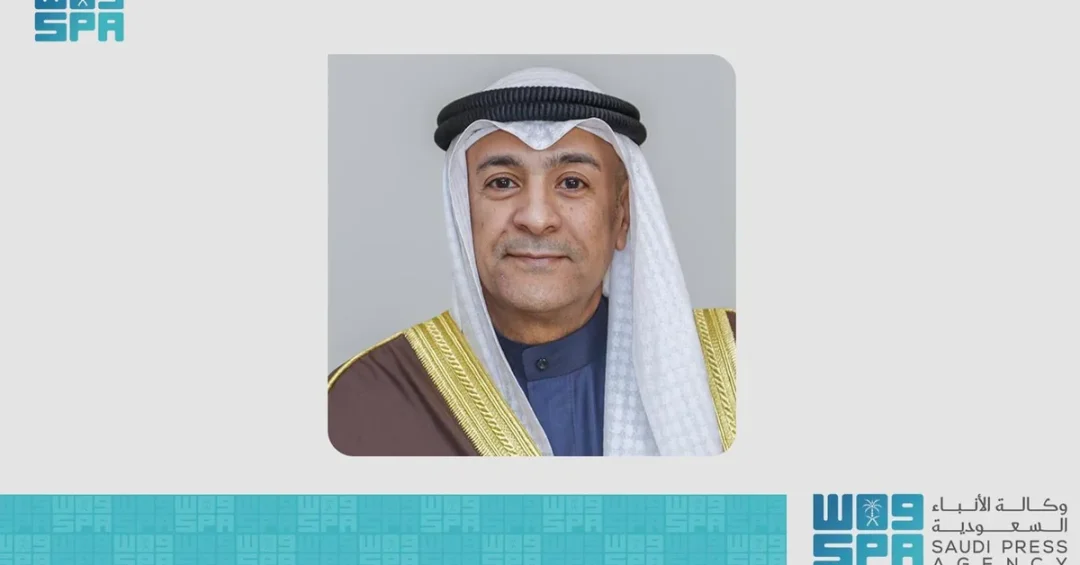
GCC Secretary General Jasem Albudaiwi received a delegation from the Japan Business Federation (Keidanren) at the General Secretariat headquarters in Riyadh on February 9, 2025, to advance economic and strategic ties. The delegation was led by Chairman of the Board of Sumitomo Corporation Masayuki Hyodo, underscoring the high level of engagement between the Gulf Cooperation Council (GCC) and Japan. Discussions focused on accelerating free trade agreement (FTA) negotiations, implementing a joint action plan, and boosting bilateral trade, which reached approximately $119 billion in 2023.
Context and Background
Relations between the GCC and Japan have deep roots in energy trade and investment, but both sides are now pursuing a broader partnership aligned with modern economic priorities. The FTA negotiations, which resumed in July 2023 after a pause, represent a key milestone. The first round was held in December 2024 at the GCC headquarters in Riyadh, covering trade in goods and services, investment promotion, digital trade, and intellectual property. These talks aim to create a comprehensive framework that reduces barriers and fosters mutual growth.
Key Details from the Meeting
Secretary General Albudaiwi highlighted the Joint Action Plan for 2024–2028, describing it as a roadmap to deepen strategic cooperation in energy, trade, investment, education, health, tourism, cultural exchange, and political coordination. He reaffirmed the shared commitment to enhancing bilateral relations. The meeting also explored opportunities for collaboration between the GCC and Keidanren, Japan’s most influential business federation, and reviewed regional and international economic developments. The substantial trade volume of $119 billion in 2023 sets a strong foundation for further expansion.
Implications for Regional and International Cooperation
The GCC-Japan partnership is expected to catalyze trade diversification and technology transfer, benefiting both regions. For the GCC, closer ties with Japan support economic diversification efforts under Vision 2030, particularly in non-oil sectors. For Japan, the FTA and action plan secure access to Gulf markets and energy resources while opening avenues for joint ventures in digital trade and innovation. Successful implementation could serve as a model for other economic blocs, reinforcing the GCC’s role as a global hub for business and diplomacy.
Vision 2030 Alignment
This engagement directly supports Saudi Arabia’s Vision 2030 by fostering international partnerships that drive economic growth, innovation, and cultural exchange. The focus on digital trade, investment promotion, and knowledge sharing aligns with the Kingdom’s goals to diversify the economy, create jobs, and enhance its global standing. As the GCC and Japan move toward finalizing the FTA and implementing the Joint Action Plan, the stage is set for a new era of collaboration that will contribute to regional stability and shared prosperity.
20 Questions
Q1. Who received the Japan Business Federation delegation in Riyadh?
A1. GCC Secretary General Jasem Albudaiwi received the delegation at the General Secretariat headquarters in Riyadh on February 9, 2025.
Q2. Who led the Japanese delegation?
A2. The delegation was led by Chairman of the Board of Sumitomo Corporation Masayuki Hyodo.
Q3. What is Keidanren?
A3. Keidanren is the Japan Business Federation, a leading economic organization representing major Japanese corporations and industries.
Q4. What was a key topic discussed during the meeting?
A4. A key topic was the progress of Free Trade Agreement negotiations between the GCC and Japan.
Q5. When did FTA negotiations resume?
A5. The negotiations resumed in July 2023 after a period of pause.
Q6. When was the first round of FTA negotiations held?
A6. The first round took place in December 2024 at the GCC headquarters in Riyadh.
Q7. What areas are covered in the FTA talks?
A7. The talks cover trade in goods and services, investment promotion, digital trade, intellectual property, and other mutual interests.
Q8. What is the Joint Action Plan for 2024–2028?
A8. It is a roadmap to strengthen cooperation in energy, trade, investment, education, health, tourism, cultural exchange, and political coordination.
Q9. How did Secretary General Albudaiwi describe the Joint Action Plan?
A9. He described it as a roadmap for deepening the strategic partnership between the GCC and Japan.
Q10. What was the trade volume between GCC and Japan in 2023?
A10. It reached approximately $119 billion.
Q11. What is the ambition for trade volume?
A11. Both sides aim to boost commercial cooperation and increase trade volume to meet mutual ambition for stronger economic relations.
Q12. What other topics were covered in the meeting?
A12. The meeting covered opportunities to strengthen cooperation with Keidanren and discussed regional and international economic developments.
Q13. Why is the FTA important for the GCC?
A13. The FTA would reduce trade barriers and open new markets for GCC goods and services, supporting economic diversification.
Q14. How does this meeting align with Vision 2030?
A14. It fosters international partnerships that drive economic growth, innovation, and cultural exchange, key goals of Vision 2030.
Q15. What role does digital trade play in the discussions?
A15. Digital trade is one of the areas under negotiation, reflecting the importance of the digital economy for both regions.
Q16. How does the Joint Action Plan benefit Japan?
A16. It secures access to Gulf energy resources and markets while enabling joint ventures in technology and innovation.
Q17. What is the significance of the meeting’s location in Riyadh?
A17. Riyadh is the headquarters of the GCC, underscoring Saudi Arabia’s central role in regional diplomacy and economic integration.
Q18. How does Keidanren’s involvement impact the partnership?
A18. Keidanren represents major Japanese businesses, so its involvement signals strong private-sector support for deepening ties.
Q19. What is the expected outcome of the FTA negotiations?
A19. A comprehensive FTA would create a framework for expanded trade and investment, benefiting both economies.
Q20. When will the next steps in the partnership be announced?
A20. Future steps will be announced through official channels as negotiations and action plan implementation progress.
Reader Feedback
We value your thoughts. Please share your feedback on this article.
Your feedback helps us improve our coverage.