


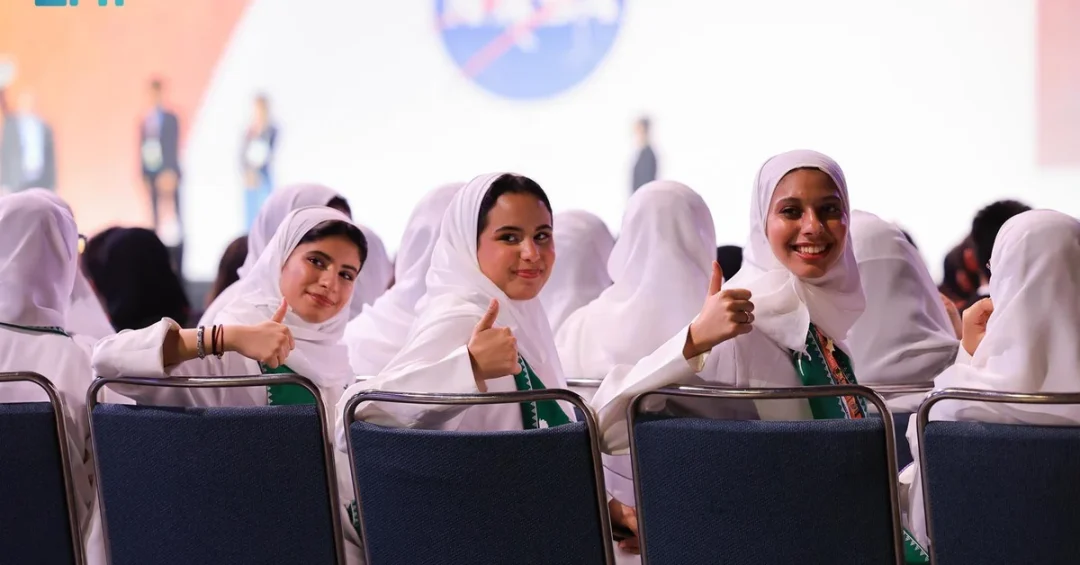
Saudi Arabia marked the International Day of Women and Girls in Science on February 11, 2025, celebrating the achievements of Saudi women in science and technology and their growing role in the Kingdom’s sustainable development. The annual observance, approved by the United Nations General Assembly, highlights the critical contributions of women to scientific and technological fields and aims to inspire greater participation by girls in science. Saudi Arabia has implemented numerous programs and initiatives to support women in STEM, aligning with the objectives of Vision 2030 to empower women and expand their opportunities.
Context and Background
The International Day of Women and Girls in Science serves as a platform to recognize the vital role of women in achieving sustainable development through science. Saudi Arabia has placed significant emphasis on enhancing women’s participation in science and technology, viewing it as a key driver for national development. The Kingdom’s efforts include scholarships, research grants, and STEM-focused educational programs, which have led to a notable increase in women enrolling in science-related fields at Saudi universities.
Key Details
Saudi women have made prominent contributions to scientific research, with many participating in local and international competitions that have elevated the Kingdom’s standing in global scientific indicators. Their achievements have improved the rankings of Saudi universities worldwide. The unwavering support of the Saudi leadership has enabled women to expand their presence in top leadership positions across various sectors. The Saudi Press Agency (SPA) highlighted that women’s empowerment is a cornerstone of Vision 2030, aimed at strengthening women’s involvement in sustainable development initiatives.
Implications and Impact
The progress of Saudi women in science has not only advanced the Kingdom’s research capabilities but also enhanced its international reputation as a hub for innovation and talent. By fostering an inclusive environment for women in STEM, Saudi Arabia is positioning itself as a leader in the region for gender equality in science. This development also supports the broader goals of Vision 2030, including economic diversification and building a knowledge-based economy. The participation of women in science is expected to drive further innovation and contribute to solving global challenges.
Vision 2030 Alignment
The celebration of the International Day of Women and Girls in Science underscores Saudi Arabia’s commitment to Vision 2030, which prioritizes women’s empowerment as essential for national progress. By investing in women’s education and careers in science and technology, the Kingdom is laying the foundation for sustainable development and long-term economic growth. Saudi women’s scientific achievements are a testament to the success of these policies and a promising sign for the future of the nation’s innovation ecosystem.
20 Questions
Q1. What is the International Day of Women and Girls in Science?
A1. It is a United Nations-recognized day observed annually on February 11 to celebrate the contributions of women and girls to science and promote gender equality in STEM fields.
Q2. When was this day established?
A2. The day was approved by the United Nations General Assembly to highlight the importance of women and girls in science and to encourage their full participation.
Q3. Why is this day important for Saudi Arabia?
A3. It aligns with Vision 2030, which emphasizes women’s empowerment and their role in sustainable development, showcasing Saudi women’s achievements in science.
Q4. What initiatives has Saudi Arabia launched to support women in science?
A4. Saudi Arabia has launched educational programs, scholarships, and research grants to increase women’s participation in STEM fields.
Q5. How have Saudi women contributed to scientific research?
A5. Saudi women have made significant contributions in fields such as medicine, engineering, and environmental science, advancing local and global knowledge.
Q6. How has women’s participation in science impacted Saudi universities?
A6. Their achievements have improved the rankings of Saudi universities in global scientific indicators, enhancing the Kingdom’s academic reputation.
Q7. What role does the Saudi leadership play in empowering women in science?
A7. The leadership provides unwavering support through policies and funding, enabling women to reach top positions and excel in scientific careers.
Q8. Can you give an example of Saudi women’s success in international competitions?
A8. Saudi women have won awards in international science fairs such as the Intel International Science and Engineering Fair, showcasing their talent.
Q9. How does women’s empowerment in science contribute to Vision 2030?
A9. It supports economic diversification by building a knowledge-based economy and ensures women are active participants in national development.
Q10. What challenges remain for women in science in Saudi Arabia?
A10. While progress is strong, ongoing efforts aim to further increase representation in certain fields and leadership roles.
Q11. How does the International Day of Women and Girls in Science inspire future generations?
A11. By highlighting role models and successes, it motivates young girls to pursue careers in science and technology.
Q12. What is the connection between this day and sustainable development?
A12. Women in science contribute to solving global challenges like health, climate change, and energy, supporting sustainable development goals.
Q13. Are there specific programs in Saudi Arabia for girls interested in science?
A13. Yes, programs like the Saudi Girls in Science initiative offer mentorship, workshops, and competitions to encourage STEM education.
Q14. How has the perception of women in science changed in Saudi Arabia?
A14. There is growing recognition of women’s capabilities, with increased visibility in research institutions and leadership positions.
Q15. What fields of science are Saudi women most active in?
A15. They are prominent in health sciences, engineering, computer science, and renewable energy research.
Q16. How does Saudi Arabia compare regionally in women’s participation in science?
A16. Saudi Arabia is a regional leader, with one of the highest percentages of women in STEM fields compared to other Gulf countries.
Q17. What support does the government provide for women scientists?
A17. The government funds research projects, offers scholarships for postgraduate studies, and supports participation in international conferences.
Q18. How do Saudi women scientists contribute to the global scientific community?
A18. They publish research in international journals, collaborate with global institutions, and present at major conferences.
Q19. What is the main message of the 2025 observance in Saudi Arabia?
A19. It celebrates achievements and reinforces the commitment to empowering women in science as a pillar of Vision 2030.
Q20. Where can readers find more information about Saudi women in science?
A20. The Saudi Press Agency (SPA) and official Ministry of Education websites provide updates on initiatives and achievements.
Reader Feedback
We value your thoughts. Please share your feedback on this article.
Your feedback helps us improve our coverage.