


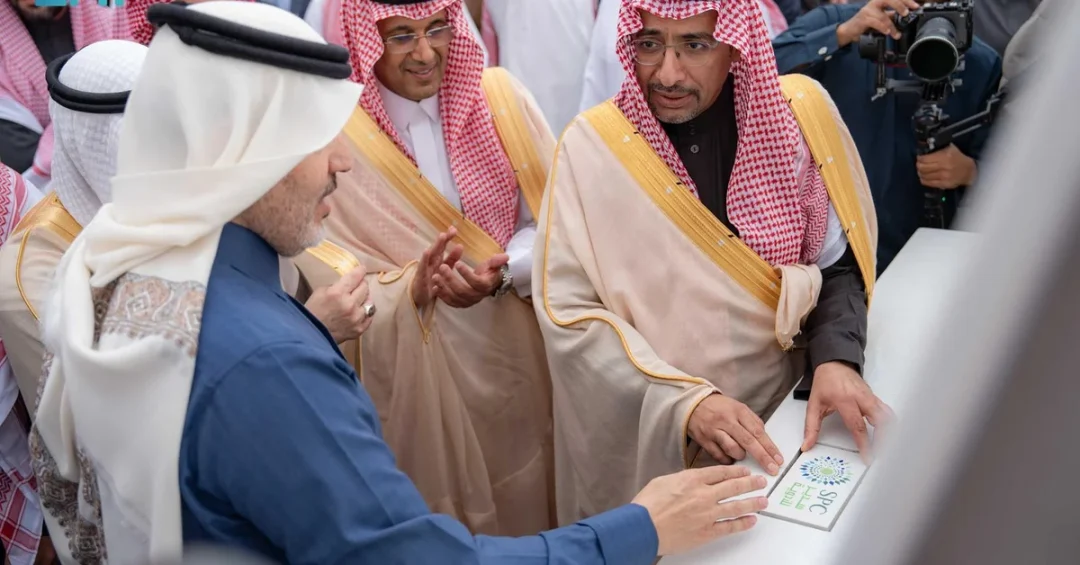
Minister of Industry and Mineral Resources Bandar Alkhorayef laid the foundation stone for the Sudair Pharma Company insulin plant on February 13, 2025, in Sudair City for Industry and Businesses. This milestone marks a significant step in Saudi Arabia’s strategy to localize the production of essential medicines, particularly insulin, and strengthen pharmaceutical security in alignment with Vision 2030.
Context and Background
The insulin plant is one of the leading projects in the Kingdom’s healthcare sector, addressing the urgent need for diabetes treatment for an estimated 700,000 patients in Saudi Arabia. The initiative is part of a broader effort to achieve self-sufficiency in pharmaceutical production and reduce reliance on imports amid global supply chain challenges.
Key Details
The plant is expected to produce over 15 million insulin pens annually, covering the needs of more than 500,000 patients in its first year—equivalent to 70% of total patients requiring the medication in the Kingdom. This supports the goal of localizing 85% of Saudi Arabia’s insulin needs, valued at approximately SAR 1.3 billion per year. The project is backed by strategic partnerships with global pharmaceutical leaders, including French company Sanofi, in collaboration with Sudair Pharmaceutical, as well as an alliance with Novo Nordisk and Lifera, a company owned by the Public Investment Fund (PIF).
Implications and Impact
The localization of insulin production enhances the Kingdom’s resilience against global supply disruptions and solidifies its position as a regional hub for advanced pharmaceutical manufacturing. This development also strengthens Saudi Arabia’s healthcare infrastructure, ensuring a stable supply of life-saving medication for citizens and residents while reducing dependency on imports. The collaboration with international firms underscores the Kingdom’s commitment to technology transfer and industrial diversification.
Vision 2030 Alignment
The Sudair Pharma insulin plant directly supports Vision 2030 by advancing pharmaceutical security, fostering public-private partnerships, and building a knowledge-based economy. By localizing critical medical production, Saudi Arabia is not only improving healthcare outcomes but also creating high-value jobs and boosting non-oil GDP. This project exemplifies the Kingdom’s forward-looking approach to sustainable development and global competitiveness.
20 Questions
Q1. What is the Sudair Pharma insulin plant?
A1. The Sudair Pharma insulin plant is a manufacturing facility in Sudair City for Industry and Businesses aimed at localizing insulin production to meet domestic demand and enhance pharmaceutical security.
Q2. Who laid the foundation stone for the plant?
A2. Minister of Industry and Mineral Resources Bandar Alkhorayef laid the foundation stone on February 13, 2025, with support from Saudi authorities and global partners.
Q3. Why is insulin localization important for Saudi Arabia?
A3. Insulin localization ensures a stable supply of a critical medication for diabetes patients, reduces import dependency, and strengthens the Kingdom’s healthcare resilience.
Q4. How many patients in the Kingdom require insulin?
A4. An estimated 700,000 patients in Saudi Arabia require insulin treatment, according to official data.
Q5. What is the production capacity of the plant?
A5. The plant is expected to produce more than 15 million insulin pens annually, covering over 500,000 patients in its first year.
Q6. What percentage of patients will the plant cover initially?
A6. In its first year, the plant will cover 70% of total patients needing insulin in the Kingdom.
Q7. What is the financial value of localizing insulin?
A7. The localization of 85% of insulin needs is valued at approximately SAR 1.3 billion annually.
Q8. Which global companies are involved in the project?
A8. French company Sanofi, in partnership with Sudair Pharmaceutical, and an alliance with Novo Nordisk and Lifera are involved.
Q9. What is Lifera’s role?
A9. Lifera, a company owned by the Public Investment Fund (PIF), is part of the Novo Nordisk alliance to support insulin localization.
Q10. How does this project align with Vision 2030?
A10. It advances pharmaceutical security, reduces import reliance, and promotes industrial diversification and public-private partnerships under Vision 2030.
Q11. What is Sudair City for Industry and Businesses?
A11. Sudair City is a major industrial hub in Saudi Arabia designed to host manufacturing projects, including pharmaceutical and healthcare facilities.
Q12. What other projects support pharmaceutical localization?
A12. Several initiatives under the Ministry of Industry and Mineral Resources aim to localize vaccines, oncology drugs, and other essential medicines.
Q13. How does this plant benefit the Saudi economy?
A13. It creates jobs, fosters technology transfer, and reduces the import bill, boosting non-oil GDP and economic diversification.
Q14. When will the plant become operational?
A14. Production is expected to begin within the next few years, with full capacity reached gradually.
Q15. Will the plant export insulin?
A15. While initially focused on domestic needs, the plant could position Saudi Arabia as a regional exporter of insulin and other pharmaceuticals.
Q16. How does the project improve healthcare?
A16. It ensures a reliable and affordable supply of insulin, reducing disruptions and improving patient outcomes in Saudi Arabia.
Q17. What is the role of the Public Investment Fund?
A17. PIF, through Lifera, provides strategic investment and support for pharmaceutical localization, aligning with its mandate to develop key sectors.
Q18. How does this project address global supply chain challenges?
A18. By producing insulin locally, the Kingdom reduces exposure to global disruptions, ensuring continuity of supply for its patients.
Q19. What is the significance of the partnership with Sanofi?
A19. Sanofi brings advanced technology and expertise, enabling high-quality insulin production and knowledge transfer to Saudi professionals.
Q20. What is the long-term goal of this initiative?
A20. The long-term goal is to achieve self-sufficiency in insulin, strengthen pharmaceutical security, and make Saudi Arabia a regional hub for advanced drug manufacturing.
Reader Feedback
We value your thoughts. Please share your feedback on this article.
Your feedback helps us improve our coverage.