


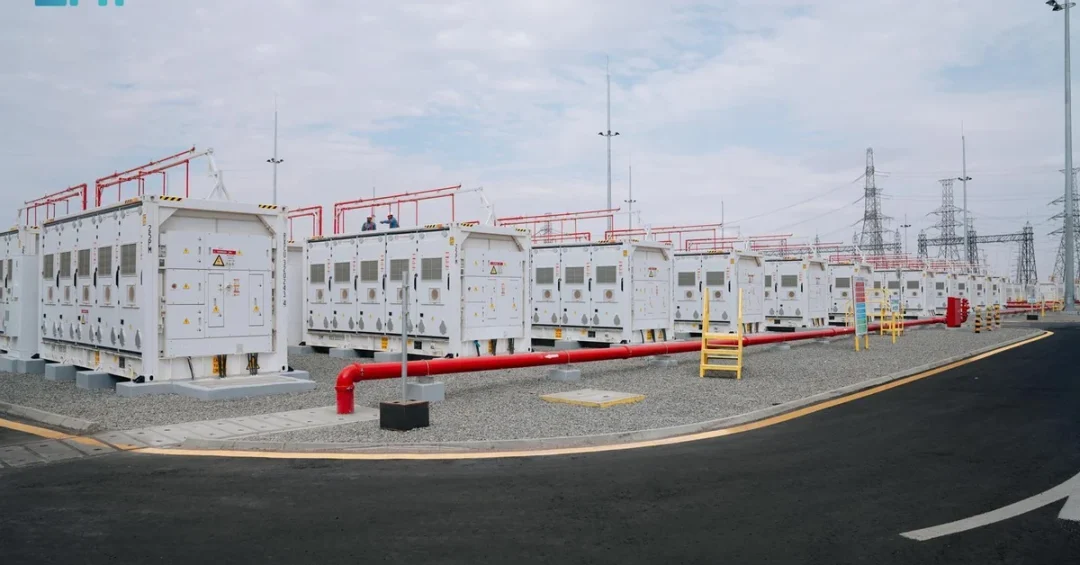
The Kingdom of Saudi Arabia has secured a position among the top ten global markets for battery energy storage, following the launch of the Bisha Project with a capacity of 2,000 MWh, one of the largest in the Middle East and Africa. This milestone underscores the Kingdom’s rapid expansion in renewable energy and its commitment to achieving the goals of Vision 2030.
Context and Background
Under the National Renewable Energy Program, overseen by the Ministry of Energy, Saudi Arabia aims to reach a storage capacity of 48 gigawatt-hours (GWh) by 2030. To date, 26 GWh of storage projects have been tendered and are at various stages of development. This effort supports the national target of generating 50% of electricity from renewable sources by 2030.
According to Wood Mackenzie, a leading energy consultancy, Saudi Arabia is at the forefront of emerging markets experiencing rapid growth in energy storage. The Kingdom’s new storage capacities are expected to strengthen its position among the top ten global markets over the next decade.
Key Details
The Bisha battery energy storage project, recently operational, features 488 advanced battery containers with a total capacity of 500 MW over four hours. It enables battery charging during low-demand periods and discharging during peak times, improving grid flexibility and ensuring backup power availability.
The Kingdom plans to operate 8 GWh of storage projects by 2025 and 22 GWh by 2026, positioning itself as the third largest global market after China and the United States. By end of 2024, total renewable energy capacity across all stages reached 44.1 GW.
Implications and Impact
Energy storage is crucial for enhancing the reliability of electricity supply and the National Grid’s capacity to handle emergencies. This transformation strengthens Saudi Arabia’s leading position in diverse energy production and export, promoting smart solutions for a sustainable energy future.
Vision 2030 Alignment
The growth in energy storage directly aligns with Vision 2030, which seeks to expand renewable electricity production from solar and wind. By advancing storage technologies, Saudi Arabia is building a resilient, low-carbon economy and solidifying its global leadership in the energy transition.
20 Questions
Q1. What is the significance of Saudi Arabia’s ranking among the top ten global markets in energy storage?
A1. It highlights the Kingdom’s rapid progress in renewable energy and its commitment to Vision 2030, positioning Saudi Arabia as a leader in the global energy transition and attracting international investment.
Q2. What is the Bisha Project and its capacity?
A2. The Bisha battery energy storage project is one of the largest in the Middle East and Africa, with a capacity of 2,000 MWh (500 MW for four hours), featuring 488 advanced battery containers.
Q3. Who oversees the National Renewable Energy Program?
A3. The program is overseen by the Ministry of Energy of Saudi Arabia, which coordinates renewable energy projects and storage initiatives to meet national targets.
Q4. What is Saudi Arabia’s storage capacity target by 2030?
A4. The Kingdom aims to achieve a storage capacity of 48 gigawatt-hours (GWh) by 2030, with 26 GWh already tendered.
Q5. What is the national target for renewable electricity production by 2030?
A5. Saudi Arabia aims for 50% of total electricity production to come from renewable sources, including solar and wind, by 2030.
Q6. Which consultancy ranked Saudi Arabia among the top ten global markets?
A6. Wood Mackenzie, a specialized energy consultancy, ranked Saudi Arabia among the top ten global markets for energy storage.
Q7. When is Saudi Arabia expected to operate 8 GWh of storage projects?
A7. The Kingdom plans to operate 8 GWh of energy storage projects by the year 2025.
Q8. When is the Kingdom expected to operate 22 GWh of storage projects?
A8. Saudi Arabia plans to operate 22 GWh of energy storage projects by the year 2026.
Q9. How does the Bisha Project improve grid management?
A9. The project charges batteries during low-demand periods and discharges during peak times, enhancing electricity supply flexibility and backup power availability.
Q10. What is the total renewable energy capacity across all stages by end of 2024?
A10. By the end of 2024, the total capacity of renewable energy projects in Saudi Arabia reached 44.1 GW across all stages of development.
Q11. How does energy storage support the National Grid?
A11. Energy storage enhances the reliability of electricity supply and improves the National Grid’s capacity to deal with emergency situations and peak demand.
Q12. What are the main renewable sources targeted by Vision 2030?
A12. Vision 2030 focuses on expanding electricity production from solar and wind energy to diversify the Kingdom’s energy mix.
Q13. Which countries are ahead of Saudi Arabia in energy storage?
A13. Based on announced storage capacities, China and the United States are the top two global markets, with Saudi Arabia positioned third.
Q14. What is the role of the Ministry of Energy in storage projects?
A14. The Ministry of Energy oversees the National Renewable Energy Program and tenders storage projects, ensuring alignment with national energy goals.
Q15. How many battery containers are in the Bisha Project?
A15. The Bisha Project features 488 advanced battery containers designed for efficient energy storage and discharge.
Q16. What is the storage duration of the Bisha Project?
A16. The Bisha Project has a storage capacity of 500 MW usable for a duration of four hours, providing four hours of full-power discharge.
Q17. How does Saudi Arabia’s energy storage growth impact its global position?
A17. It strengthens Saudi Arabia’s leadership in diverse energy production and export, reinforcing its status as a key player in the global energy transition.
Q18. What are the strategic objectives of energy storage in Saudi Arabia?
A18. Energy storage aims to enhance grid reliability, support renewable integration, and achieve the strategic objectives of the energy sector under Vision 2030.
Q19. Is the energy storage growth aligned with Vision 2030?
A19. Yes, the growth aligns directly with Vision 2030’s goal to expand renewable electricity production and build a sustainable, diversified economy.
Q20. What future market position does Saudi Arabia aim for in energy storage?
A20. Saudi Arabia aims to become the third largest global market in energy storage, behind only China and the United States, by 2026.
Reader Feedback
We value your thoughts. Please share your feedback on this article.
Your feedback helps us improve our coverage.