


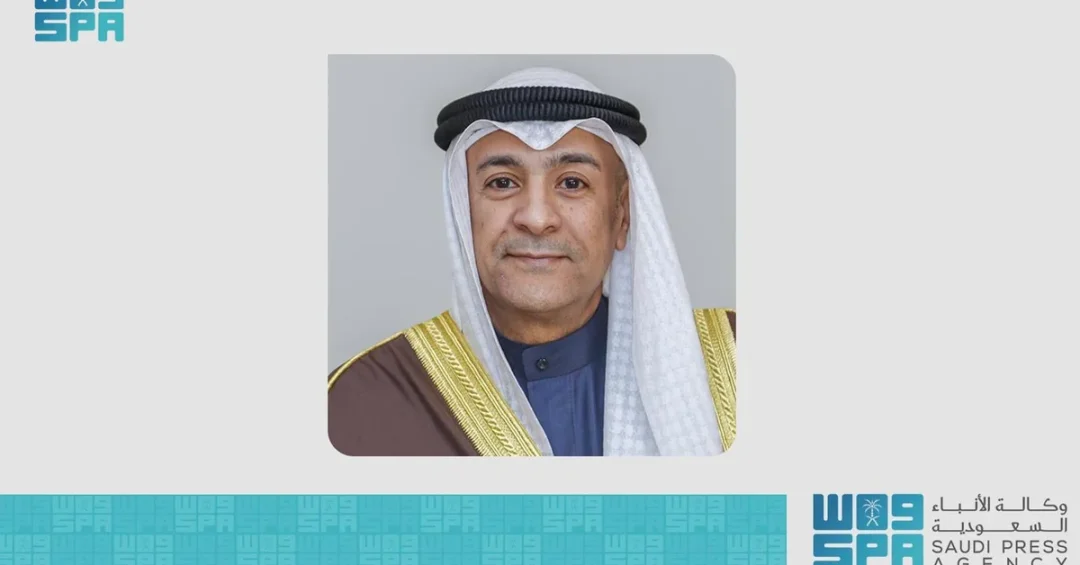
GCC Secretary General Jasem Albudaiwi met with Chairman of the NATO Military Committee Admiral Giuseppe Cavo Dragone on February 14, 2025, on the sidelines of the 61st Munich Security Conference in Germany. The meeting underscored the strategic partnership between the Gulf Cooperation Council (GCC) and NATO, focusing on regional stability and shared security challenges.
Context and Background
The Munich Security Conference serves as a key platform for high-level dialogue on international security. This meeting builds on years of cooperation between the GCC and NATO, including joint initiatives such as the Istanbul Cooperation Initiative (ICI) launched in 2004. The discussions come amid heightened tensions in the Middle East, particularly the ongoing crisis in Gaza, and reflect the GCC’s growing role in global security architecture.
Key Details
During the meeting, the two sides reviewed the latest regional and international developments, with a special focus on the situation in Gaza and the wider region. Secretary General Albudaiwi stressed the need to intensify international efforts to end the suffering of the Palestinian people and ensure the delivery of humanitarian aid. He reaffirmed the GCC’s commitment to regional stability and international crisis resolution. Admiral Dragone praised the GCC states’ significant role in maintaining international security and their status in regional and global forums.
Implications and Impact
The meeting signals deepening coordination between the GCC and NATO, potentially opening avenues for joint security initiatives, intelligence sharing, and collaborative humanitarian responses. For the Middle East, the GCC’s engagement with NATO strengthens the region’s diplomatic weight, particularly in advocating for Palestinian rights and stability. This partnership also reassures international partners of the Gulf’s commitment to rules-based order and counterterrorism efforts.
Vision 2030 Alignment
Under Saudi Arabia’s Vision 2030, the Kingdom has prioritized expanding diplomatic and security partnerships to foster regional peace and economic growth. This GCC-NATO dialogue aligns perfectly with Vision 2030’s goal of positioning the Gulf as a hub for international cooperation and stability. By advocating for humanitarian solutions and engaging with key NATO leaders, the GCC reinforces its role as a responsible global actor, contributing to long-term prosperity and security.
20 Questions
Q1. Who participated in the meeting?
A1. GCC Secretary General Jasem Albudaiwi and Chairman of the NATO Military Committee Admiral Giuseppe Cavo Dragone met on the sidelines of the Munich Security Conference.
Q2. Where did the meeting take place?
A2. The meeting occurred on the sidelines of the 61st Munich Security Conference in Munich, Federal Republic of Germany.
Q3. What was the main focus of the discussions?
A3. The two sides reviewed the latest regional and international developments, particularly the situation in Gaza and the wider Middle East region.
Q4. What did the GCC Secretary General emphasize?
A4. He emphasized the need to intensify international efforts to end the suffering of the Palestinian people and ensure delivery of humanitarian aid.
Q5. How did the GCC Secretary General describe the GCC’s commitment?
A5. He reaffirmed the GCC’s commitment to regional stability and international efforts to resolve humanitarian crises.
Q6. What did the NATO Chairman praise about the GCC?
A6. He praised the important role of GCC states in maintaining regional and international security and stability, and their status in international forums.
Q7. Why is the Munich Security Conference significant?
A7. It is a key platform for high-level dialogue on international security, attended by world leaders and policymakers.
Q8. What is the Istanbul Cooperation Initiative?
A8. It is a NATO-led partnership launched in 2004 to promote security cooperation with Gulf countries, including the GCC states.
Q9. How does this meeting align with Vision 2030?
A9. It supports the goal of positioning the Gulf as a hub for international cooperation and stability, enhancing Saudi Arabia’s global role.
Q10. What are the potential outcomes of this meeting?
A10. Deeper GCC-NATO cooperation could lead to joint security initiatives, intelligence sharing, and collaborative humanitarian responses.
Q11. What is the GCC’s stance on Gaza?
A11. The GCC advocates for ending the suffering of Palestinians and ensuring humanitarian aid, as reaffirmed by Secretary General Albudaiwi.
Q12. How does the meeting benefit regional security?
A12. It strengthens the diplomatic weight of GCC states and promotes a rules-based order, contributing to stability in the Middle East.
Q13. What is the role of NATO’s Military Committee?
A13. The Military Committee is NATO’s senior military authority, advising on military policy and strategy.
Q14. Is this the first GCC-NATO meeting?
A14. No, the GCC and NATO have a history of cooperation under the Istanbul Cooperation Initiative and other forums.
Q15. What international crises were discussed?
A15. The situation in Gaza and the broader Middle East region were the primary topics of discussion.
Q16. How does the meeting support humanitarian efforts?
A16. By urging international efforts to deliver aid and end suffering, the GCC promotes humanitarian action in conflict zones.
Q17. What is the significance of Admiral Dragone’s praise?
A17. It reflects NATO’s recognition of GCC states as key partners in global security and stability.
Q18. How does the meeting influence Saudi Arabia’s global role?
A18. It enhances Saudi leadership in diplomatic security dialogues, aligning with Vision 2030’s outward engagement strategy.
Q19. What was the date of the meeting?
A19. The meeting took place on February 14, 2025, as reported by the Saudi Press Agency.
Q20. What is the GCC’s long-term vision for stability?
A20. The GCC aims to foster regional peace through partnerships with global actors like NATO, supporting sustainable development and security.
Reader Feedback
We value your thoughts. Please share your feedback on this article.
Your feedback helps us improve our coverage.