


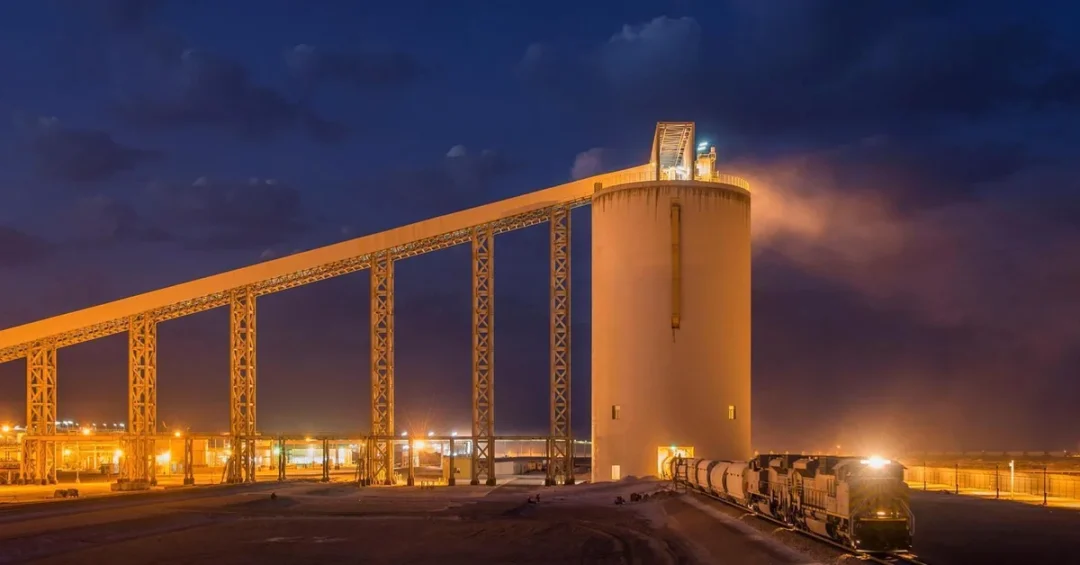
Saudi Arabia’s Northern Borders Region holds mineral reserves valued at over SAR4.6 trillion, positioning the Kingdom among the world’s largest phosphate producers and exporters, official sources confirmed. The region’s vast deposits, including high-quality phosphate, were highlighted by the Ministry of Industry and Mineral Resources as a cornerstone of economic diversification under Vision 2030.
Context and Background
The Northern Borders Region has emerged as a critical hub for Saudi Arabia’s mining sector, with phosphate production projects in Wa’ad Al-Shamal City playing a key role in global food security through fertilizer production. The region contains five phosphate ore reserve sites and 29 active mining licenses, according to ministry data.
Ministry Spokesperson Jarrah Al-Jarrah confirmed that the region’s mineral wealth also includes coal, dolomite, limestone, and silica sand, with total estimated value exceeding SAR4.6 trillion. The licenses include 15 for construction materials quarries and 14 exploitation licenses, reflecting a diversified mining base.
Key Details
Minister of Industry and Mineral Resources Bandar Alkhorayef is scheduled to visit the Northern Borders Region to inspect industrial and developmental projects, underscoring the government’s commitment to stimulating local and international investments. The visit aligns with ongoing efforts to reinforce mining as a key driver of economic diversification.
The region’s phosphate reserves are strategically significant for global agriculture, as phosphate-based fertilizers are essential for crop production. Saudi Arabia’s expansion in this sector supports both domestic food security and international supply chains.
Implications and Impact
The development of mineral resources in the Northern Borders Region strengthens Saudi Arabia’s position as a reliable supplier of critical raw materials. This has positive implications for global food security and reduces import dependence for many nations. Additionally, the projects create jobs and foster technological innovation in mining and processing.
The region’s strategic location near key export routes further enhances its potential to serve markets in Asia and Europe, aligning with Saudi Arabia’s ambition to become a global mining hub.
Vision 2030 Alignment
The mining sector is a central pillar of Vision 2030, aimed at diversifying the Kingdom’s economy beyond oil. By unlocking mineral wealth valued at trillions of riyals, Saudi Arabia is building a sustainable industrial base that will generate revenue and employment for decades. The Northern Borders Region’s phosphate boom exemplifies how natural resources are being harnessed to achieve long-term economic transformation, reinforcing the Kingdom’s role as a global leader in mining and food security.
20 Questions
Q1. What is the value of mineral reserves in the Northern Borders Region?
A1. The mineral reserves are valued at over SAR4.6 trillion, as announced by the Ministry of Industry and Mineral Resources, highlighting the region’s immense resource wealth.
Q2. What is the main mineral deposit in the Northern Borders Region?
A2. The region is rich in high-quality phosphate ore, which is essential for fertilizer production and global food security.
Q3. How many phosphate reserve sites are in the region?
A3. There are five phosphate ore reserve sites identified in the Northern Borders Region, forming the basis for large-scale mining operations.
Q4. How many active mining licenses are in the region?
A4. There are 29 active mining licenses, including 15 for construction materials quarries and 14 exploitation licenses for mineral deposits.
Q5. Which city hosts major phosphate production projects?
A5. Wa’ad Al-Shamal City is the central hub for phosphate production projects, positioning Saudi Arabia as a top global producer.
Q6. Who is the spokesperson for the Ministry of Industry and Mineral Resources?
A6. Jarrah Al-Jarrah is the ministry spokesperson who provided details on the region’s mineral resources and their valuation.
Q7. What other minerals are found in the region?
A7. Besides phosphate, the region contains coal, dolomite, limestone, and silica sand, contributing to its diverse mineral portfolio.
Q8. Why are phosphate reserves important for global food security?
A8. Phosphate is a key component in fertilizers, which are vital for crop production, thus supporting food security worldwide.
Q9. What is the role of Vision 2030 in mining development?
A9. Vision 2030 aims to diversify the economy by making mining a major contributor to national income, reducing reliance on oil.
Q10. Who is the Minister of Industry and Mineral Resources?
A10. Bandar Alkhorayef serves as the Minister of Industry and Mineral Resources, overseeing the sector’s growth and investment.
Q11. What is the purpose of the minister’s visit to the Northern Borders Region?
A11. The minister is scheduled to inspect industrial and developmental projects to stimulate investments and reinforce mining’s role in diversification.
Q12. How does the Northern Borders Region contribute to economic diversification?
A12. By developing mineral resources, the region creates jobs, attracts investment, and generates revenue outside the oil sector.
Q13. What is the total number of exploitation licenses?
A13. There are 14 exploitation licenses for mineral deposits in the region, allowing large-scale extraction and processing.
Q14. How does the mining sector support Vision 2030’s goals?
A14. The sector provides sustainable revenue, technological advancement, and employment, aligning with the goal of a diversified economy.
Q15. Is Saudi Arabia among the world’s largest phosphate producers?
A15. Yes, thanks to projects in the Northern Borders Region, Saudi Arabia ranks among the world’s largest phosphate producers and exporters.
Q16. What is the estimated value of the region’s mineral wealth?
A16. The total estimated value of mineral resources in the Northern Borders Region exceeds SAR4.6 trillion.
Q17. How many licenses are for construction materials quarries?
A17. There are 15 licenses for construction materials quarries, indicating a developed infrastructure material sector.
Q18. What global impact does Saudi phosphate production have?
A18. It helps secure fertilizer supply chains, reducing dependence on a few producers and enhancing global food security.
Q19. What is Wa’ad Al-Shamal City known for?
A19. It is a major industrial city focused on phosphate processing and export, driving regional economic growth.
Q20. How does the mining initiative attract international investment?
A20. The ministry’s efforts, including ministerial visits and stable regulatory environment, encourage foreign companies to invest in exploration and production.
Reader Feedback
We value your thoughts. Please share your feedback on this article.
Your feedback helps us improve our coverage.