


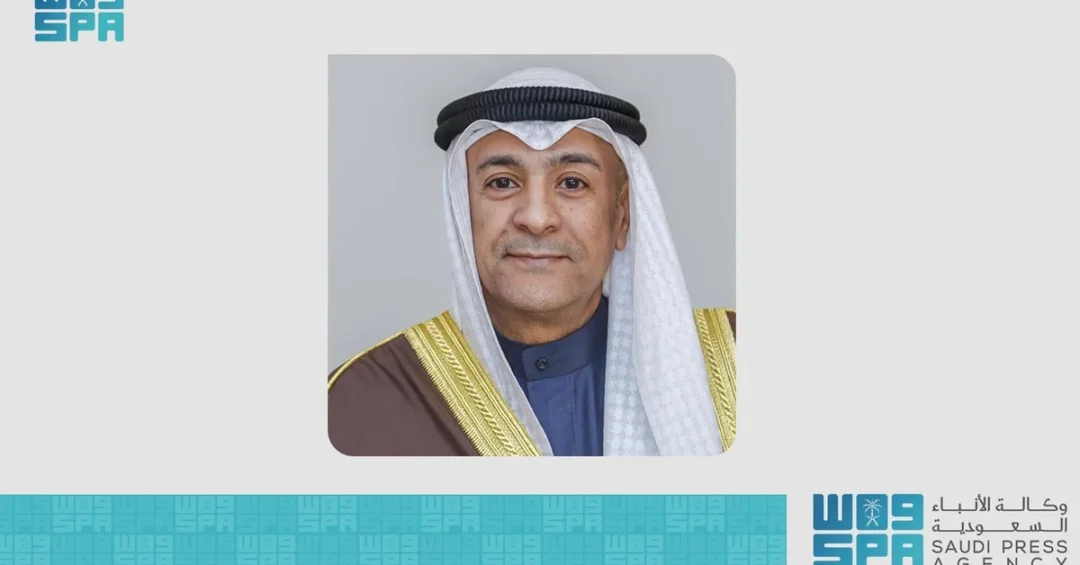
GCC Secretary General Jasem Albudaiwi and Turkish Deputy Minister of Transport and Infrastructure Omar Fatih Sayan met on February 16, 2025, in Muscat, Oman, to strengthen cooperation in transport and logistics. The meeting took place on the sidelines of the 8th Indian Ocean Conference, themed “Voyages to New Horizons of Maritime Partnership,” highlighting the growing strategic ties between the Gulf Cooperation Council and Turkey.
Context and Background
The discussion builds on a series of bilateral engagements aimed at integrating transport networks and logistics systems between GCC member states and Turkey. The Indian Ocean Conference, hosted by Oman, provided a platform for maritime and trade partnerships, underscoring the region’s importance as a global transit hub. The GCC and Turkey have been deepening economic collaboration, with transport infrastructure identified as a key enabler of trade flows and economic diversification.
Key Details
During the meeting, both officials reviewed cooperation in the transport and logistics sector, including projects undertaken by Turkish private sector companies in GCC countries. They also discussed outcomes of the first joint meeting between the Gulf Railway Authority and member states with Turkey on railway matters, held in May 2024. This railway cooperation is expected to enhance connectivity and facilitate goods movement across the region.
Implications and Impact
Strengthened transport links between the GCC and Turkey are poised to boost trade, investment, and tourism. The integration of rail and logistics infrastructure aligns with broader efforts to create seamless supply chains, reduce transit times, and support economic diversification under Vision 2030. For Turkey, closer ties with the GCC open new markets and investment opportunities, reinforcing its role as a key regional partner.
Vision 2030 Alignment
This cooperation advances Vision 2030 objectives by promoting regional integration, attracting foreign investment, and developing world-class infrastructure. The transport sector’s growth supports Saudi Arabia’s ambition to become a global logistics hub, connecting Asia, Europe, and Africa. The meeting underscores the Kingdom’s leadership in fostering multilateral partnerships that drive sustainable development and economic prosperity.
20 Questions
Q1. What was the main purpose of the meeting between GCC Secretary General and Turkish Deputy Minister?
A1. The meeting aimed to enhance cooperation between the Gulf Cooperation Council and Turkey in the transport and logistics sector, focusing on joint projects and integration of railway systems.
Q2. Where and when did the meeting take place?
A2. The meeting occurred on February 16, 2025, in Muscat, Oman, on the sidelines of the 8th Indian Ocean Conference.
Q3. Who represented the GCC and Turkey in the meeting?
A3. GCC Secretary General Jasem Albudaiwi represented the GCC, while Turkish Deputy Minister of Transport and Infrastructure Omar Fatih Sayan represented Turkey.
Q4. What was the theme of the 8th Indian Ocean Conference?
A4. The conference theme was “Voyages to New Horizons of Maritime Partnership,” emphasizing maritime cooperation and regional connectivity.
Q5. What specific areas of transport cooperation were discussed?
A5. The officials discussed collaboration in transport and logistics, including railway projects and private sector investments in GCC countries.
Q6. Which previous meeting was referenced in the discussions?
A6. They referenced the first joint meeting between the Gulf Railway Authority and member states with Turkey on railway matters, held in May 2024.
Q7. How does this meeting support regional economic integration?
A7. By enhancing transport links, the meeting facilitates trade flows, reduces transit times, and promotes economic cooperation between GCC states and Turkey.
Q8. What role does the Turkish private sector play in GCC transport projects?
A8. Turkish private sector companies are involved in various transport and logistics projects in GCC countries, contributing to infrastructure development.
Q9. Why is the transport sector vital for economic relations?
A9. Transport infrastructure enables efficient movement of goods and people, boosts trade, and attracts investment, driving economic growth and diversification.
Q10. How does the Indian Ocean Conference facilitate such partnerships?
A10. The conference brings together regional stakeholders to discuss maritime cooperation, providing a platform for bilateral talks on transport and trade.
Q11. What is the significance of Oman hosting the conference?
A11. Oman’s strategic location on the Indian Ocean makes it a key hub for maritime trade, reinforcing its role in promoting regional connectivity.
Q12. How does this cooperation align with Saudi Vision 2030?
A12. It supports Vision 2030 goals of economic diversification, global logistics hub development, and attracting foreign investment through infrastructure partnerships.
Q13. What are the expected outcomes of the railway cooperation?
A13. Railway cooperation aims to integrate rail networks, reduce cargo transit times, and lower logistics costs, benefiting trade between GCC and Turkey.
Q14. What broader regional impact does transport integration have?
A14. It enhances connectivity across the Middle East and Asia, supports supply chain resilience, and fosters economic stability through shared infrastructure.
Q15. How does the meeting contribute to sustainable development?
A15. By promoting efficient transport systems, the cooperation reduces environmental impact and supports sustainable economic growth aligned with global goals.
Q16. What past initiatives have strengthened GCC-Turkey transport ties?
A16. Past initiatives include joint railway meetings and private sector investments, laying the groundwork for comprehensive logistics partnerships.
Q17. Will this cooperation affect tourism between regions?
A17. Improved transport links can boost tourism by making travel easier, but the primary focus was on cargo logistics and infrastructure projects.
Q18. How does the GCC benefit from Turkish expertise in transport?
A18. Turkish expertise in railway and logistics infrastructure helps GCC countries accelerate project implementation and adopt best practices.
Q19. What are the next steps following this meeting?
A19. Both sides likely plan to continue technical consultations and implement joint projects, building on the outcomes of the 2024 railway meeting.
Q20. Why is this meeting important for the public in Saudi Arabia?
A20. It demonstrates Saudi-led regional cooperation that enhances trade, creates jobs, and supports the Kingdom’s Vision 2030 economic transformation.
Reader Feedback
We value your thoughts. Please share your feedback on this article.
Your feedback helps us improve our coverage.