


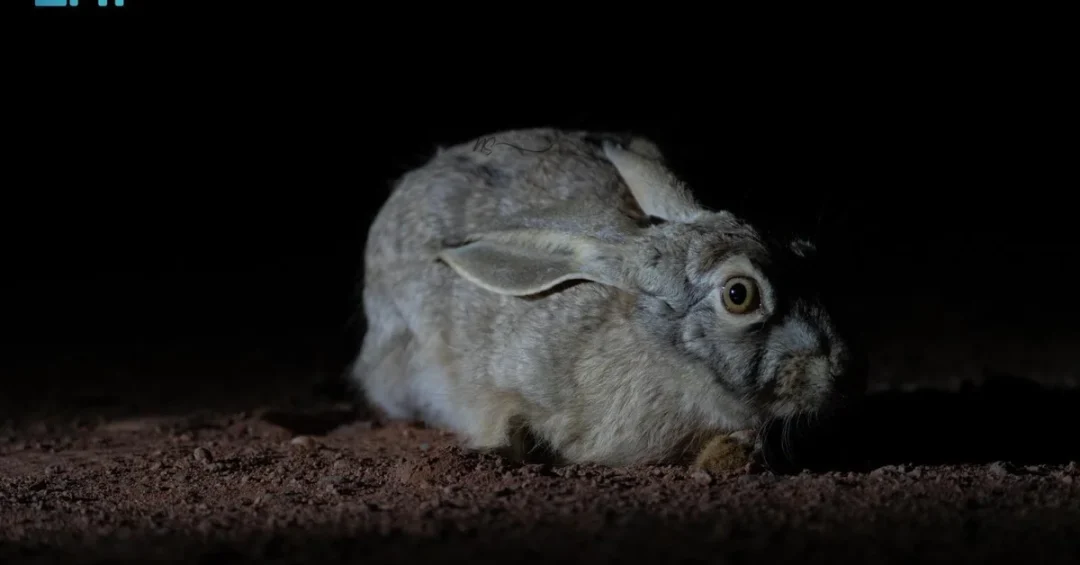
Wild hares are thriving in the King Salman bin Abdulaziz Royal Reserve as part of ongoing conservation efforts led by the reserve’s development authority. The Saudi Press Agency reported on February 17, 2025, that these mammals are flourishing in areas with essential plants for food and survival, adapting to diverse environments within the reserve. This success reflects Saudi Arabia’s commitment to wildlife preservation and ecological restoration under Vision 2030.
Context and Background
The King Salman bin Abdulaziz Royal Reserve, one of the largest royal reserves in the Kingdom, spans over 130,000 square kilometers across northern Saudi Arabia. Established to protect biodiversity and restore natural habitats, the reserve is home to a variety of native species, including Arabian oryx, sand gazelles, and now robust populations of wild hares. The reserve’s development authority implements conservation and protection programs for mammals, focusing on breeding and reintroduction into natural habitats.
Key Details
Wild hares in the reserve exhibit remarkable biological traits. Their gestation period lasts about 40 days, with females giving birth to four to 12 young per litter. They are characterized by long, thin bodies and fur ranging from gray to reddish-brown, which aids camouflage. Sharp eyesight and a strong sense of smell help them detect predators and escape quickly. The authority’s programs aim to sustain these populations and expand their range through scientific breeding and habitat management.
Implications and International Impact
The thriving hare population demonstrates the effectiveness of Saudi Arabia’s conservation strategies, which align with global biodiversity goals. The reserve’s efforts contribute to ecological balance and support the Kingdom’s reputation as a leader in environmental stewardship. Internationally, such programs highlight Saudi Arabia’s dedication to preserving wildlife for future generations and combating desertification. The success also opens opportunities for eco-tourism and scientific research in the region.
Vision 2030 Alignment
This initiative directly supports Saudi Vision 2030’s environmental objectives, including protecting natural heritage and promoting sustainable development. By reintroducing native species and restoring ecosystems, the reserve enhances the Kingdom’s quality of life and positions Saudi Arabia as a global model for conservation. The long-term vision includes expanding these efforts across all royal reserves, ensuring that wildlife thrives in balance with modern development.
20 Questions
Q1. What is the King Salman bin Abdulaziz Royal Reserve?
A1. It is one of Saudi Arabia’s largest royal reserves, spanning over 130,000 square kilometers in the north, dedicated to conserving biodiversity and restoring natural habitats under Vision 2030.
Q2. Where is the reserve located?
A2. The reserve is located in northern Saudi Arabia, covering parts of the Al-Jawf, Northern Borders, and Hail regions, near the border with Jordan.
Q3. Why are wild hares thriving in the reserve?
A3. Wild hares thrive due to the availability of essential food plants, diverse habitats, and successful conservation programs implemented by the reserve’s development authority.
Q4. How long is the gestation period for a female wild hare?
A4. The gestation period lasts about 40 days, after which the female gives birth to a litter of four to 12 young.
Q5. What physical characteristics help wild hares survive?
A5. Wild hares have long thin bodies, gray to reddish-brown fur for camouflage, sharp eyesight, and a strong sense of smell to detect predators.
Q6. What is the reserve’s development authority doing to protect hares?
A6. The authority runs breeding and reintroduction programs for mammals, including wild hares, as part of broader conservation and protection initiatives.
Q7. How does the hare conservation program support Vision 2030?
A7. It aligns with Vision 2030’s environmental goals to protect natural heritage, promote sustainable development, and improve quality of life.
Q8. What other species are found in the reserve?
A8. The reserve also hosts Arabian oryx, sand gazelles, ibex, and various bird species, all benefiting from habitat restoration efforts.
Q9. How large is the King Salman bin Abdulaziz Royal Reserve?
A9. It spans over 130,000 square kilometers, making it one of the largest protected areas in Saudi Arabia.
Q10. When was the reserve established?
A10. The reserve was established by royal decree in 2018 as part of Saudi Arabia’s expanded network of protected areas.
Q11. What is the role of the Saudi Press Agency in this report?
A11. The Saudi Press Agency (SPA) is the official source that released the news on February 17, 2025, confirming the thriving hare population.
Q12. How do wild hares adapt to different environments within the reserve?
A12. They adapt by utilizing diverse plants for food and shelter, and their physical traits allow them to thrive in varying terrain and climate conditions.
Q13. What is the gestation period for a wild hare?
A13. The gestation period is about 40 days, with multiple litters possible each year depending on environmental conditions.
Q14. How many young do wild hares typically have per litter?
A14. They typically give birth to four to 12 young per litter, which helps maintain population numbers.
Q15. What predators do wild hares face in the reserve?
A15. Predators may include foxes, wolves, birds of prey, and feral cats, but the hares’ keen senses help them escape.
Q16. What conservation efforts are happening in the reserve?
A16. The authority conducts species monitoring, habitat restoration, anti-poaching patrols, and captive breeding for reintroduction.
Q17. How does the reserve contribute to international biodiversity?
A17. It helps restore native species, combat desertification, and serves as a model for arid-region conservation worldwide.
Q18. Can visitors see wild hares in the reserve?
A18. Eco-tourism is being developed, and visitors may observe hares in designated areas, though the primary focus is conservation.
Q19. What is the long-term goal for hare populations?
A19. The goal is to establish self-sustaining populations that can thrive without ongoing human intervention, ensuring genetic diversity.
Q20. Why is this news important for Saudi Arabia?
A20. It showcases successful conservation under Vision 2030, improving the Kingdom’s global environmental reputation and promoting sustainable development.
Reader Feedback
We value your thoughts. Please share your feedback on this article.
Your feedback helps us improve our coverage.