


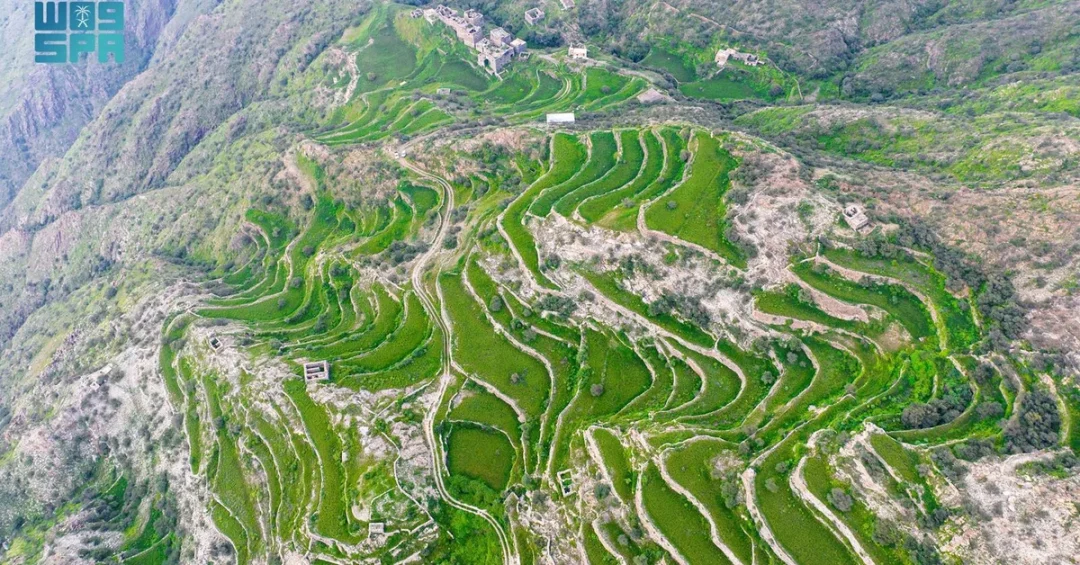
The heritage village of Baran, located in the mountainous Qilwah Governorate of Al-Baha region, stands as a cherished cultural landmark with over 500 years of history. The village, recently added to Saudi Arabia’s National Register of Architectural Heritage, attracts tourists and history enthusiasts, especially during winter when the weather is refreshing and the surrounding landscapes are at their most picturesque. This initiative underscores the Kingdom’s commitment to preserving its rich cultural legacy under Vision 2030.
Context and Background
Baran Village is a testament to traditional Saudi Arabian architecture and sustainable living. Constructed using stone, sidr wood, and white quartz, the village features multi-story buildings ranging from three to four floors. Its doors and windows are adorned with intricate architectural engravings, reflecting the region’s unique heritage. The village also encompasses expansive agricultural terraces that have historically provided fertile soil for crops, serving as the primary livelihood for residents. These terraces exemplify ancient farming techniques that harmonize with the mountainous terrain.
Key Details
Resident Saeed Al-Zahrani, aged 73, shared insights into the village’s construction methods, highlighting the use of locally sourced materials and the craftsmanship evident in the engravings. Another resident, Atiya Al-Zahrani, noted that the village’s layout includes multiple floors and central agricultural terraces, which supported community life for centuries. In a significant move to safeguard such heritage, the Saudi Heritage Commission added Baran Village, along with 24 other sites, to the National Register of Architectural Heritage. This registration ensures the village’s protection and integration into broader efforts to archive and digitize heritage sites across the Kingdom.
Implications and Impact
The inclusion of Baran Village in the heritage registry boosts cultural tourism in Al-Baha, aligning with Saudi Arabia’s goals to diversify its economy and promote domestic and international travel. The village offers visitors a glimpse into traditional life and the region’s natural beauty, contributing to local economic development. Furthermore, the digitization and preservation of such sites support educational initiatives, allowing both Saudis and global audiences to explore the Kingdom’s rich history. This move also strengthens Saudi Arabia’s position as a custodian of cultural heritage in the region.
Vision 2030 Alignment
Baran Village’s preservation and promotion directly support Vision 2030’s objectives to enhance quality of life, develop the tourism sector, and protect national heritage. By investing in historical sites, Saudi Arabia aims to create vibrant communities, attract visitors, and foster pride in its cultural identity. This effort exemplifies the Kingdom’s forward-looking approach, balancing modernization with the conservation of its historical roots, ensuring that timeless landmarks like Baran continue to inspire future generations.
20 Questions
Q1. Where is Baran Village located?
A1. Baran Village is situated in the mountainous slopes of Qilwah Governorate in the Al-Baha region of Saudi Arabia, known for its picturesque landscapes and refreshing winter climate.
Q2. How old is Baran Village?
A2. The heritage village boasts over 500 years of history, making it a timeless cultural landmark that has preserved its architectural and agricultural traditions through centuries.
Q3. What materials were used to construct Baran Village?
A3. The village was built using stone, sidr wood, and white quartz, with doors and windows featuring intricate architectural engravings that showcase its unique heritage.
Q4. Who provided details about the village’s construction?
A4. Saeed Al-Zahrani, a 73-year-old resident, explained the construction methods and the use of local materials, highlighting the craftsmanship involved.
Q5. What are the key features of the village’s buildings?
A5. The village consists of several multi-story buildings, ranging from three to four floors, with ornate engravings on doors and windows, reflecting traditional architectural styles.
Q6. What agricultural features are present in the village?
A6. At the heart of the village lie expansive agricultural terraces that historically provided fertile soil for growing crops, serving as the primary livelihood for residents.
Q7. Which resident spoke about the village’s layout and agriculture?
A7. Atiya Al-Zahrani, a resident, said that the village includes multi-story buildings and central agricultural terraces that supported community life.
Q8. What recent action was taken to preserve Baran Village?
A8. The Heritage Commission added Baran Village to the National Register of Architectural Heritage as part of a group of 25 new sites, ensuring its protection and documentation.
Q9. What is the National Register of Architectural Heritage?
A9. It is a Saudi initiative under the Heritage Commission to archive and digitize heritage sites across the country, preserving the Kingdom’s rich cultural legacy.
Q10. Why is Baran Village popular among tourists?
A10. Tourists and history enthusiasts are attracted to its historical architecture, agricultural terraces, and the refreshing winter weather that enhances the picturesque landscapes.
Q11. How does the village’s preservation support tourism?
A11. By registering Baran Village, Saudi Arabia promotes cultural tourism in Al-Baha, encouraging both domestic and international visitors to explore its heritage, which boosts the local economy.
Q12. What role does the Heritage Commission play in this effort?
A12. The Heritage Commission is responsible for identifying, registering, and conserving heritage sites, using digitization to ensure their legacy for future generations.
Q13. How many sites were added to the register alongside Baran Village?
A13. A total of 25 new sites, including Baran Village, were added to the National Register of Architectural Heritage in a recent initiative.
Q14. What crops were traditionally grown in the village’s terraces?
A14. The fertile soil of the terraces supported a variety of crops, though specific types are not detailed; they sustained the local community for centuries.
Q15. How does the village reflect traditional Saudi architecture?
A15. The use of stone, wood, and quartz, along with intricate engravings and multi-story designs, showcases the region’s architectural heritage and adaptation to mountainous terrain.
Q16. What is the significance of digitizing heritage sites?
A16. Digitization helps archive and preserve detailed records of sites like Baran, making them accessible for education, research, and cultural promotion while ensuring long-term conservation.
Q17. How does Baran Village align with Vision 2030?
A17. The preservation of Baran supports Vision 2030’s goals of enhancing quality of life, developing tourism, and protecting cultural heritage, reflecting the Kingdom’s balanced modernization.
Q18. What is the best season to visit Baran Village?
A18. Winter is the ideal season due to the refreshing weather and the stunning landscapes, making it a perfect time for tourists to explore the village and its surroundings.
Q19. Who is responsible for the official announcement about Baran Village?
A19. The Saudi Press Agency (SPA) reported the details on behalf of the Heritage Commission, which oversees heritage preservation in the Kingdom.
Q20. How does Baran Village contribute to Saudi cultural identity?
A20. As a living example of traditional life, Baran fosters pride in Saudi heritage and educates future generations about the Kingdom’s historical roots and sustainable practices.
Reader Feedback
We value your thoughts. Please share your feedback on this article.
Your feedback helps us improve our coverage.