


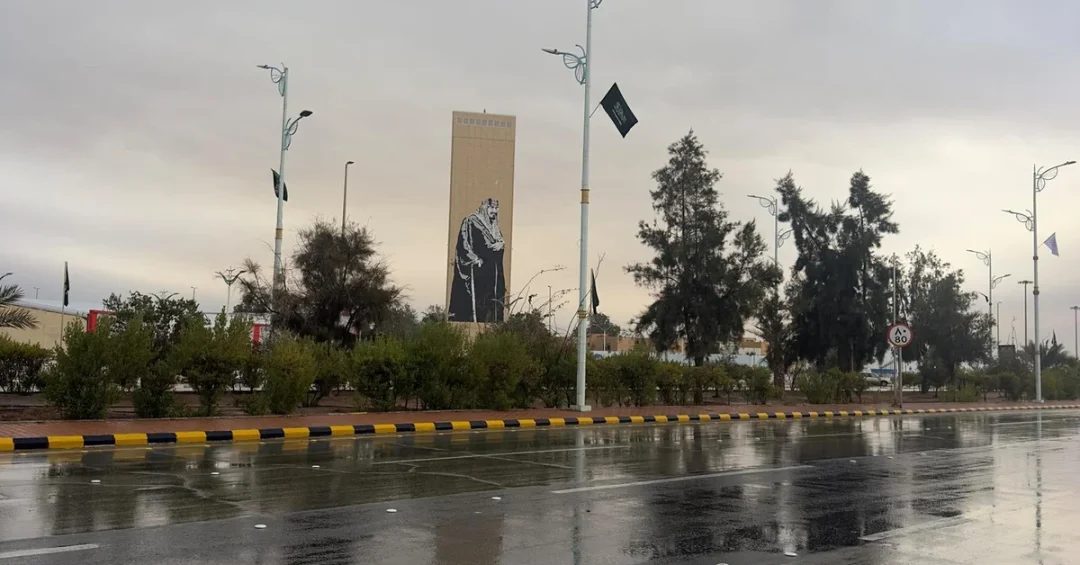
Turaif Governorate in Saudi Arabia’s Northern Borders Region recorded 0°C on February 17, 2025, the lowest temperature among cities and governorates across the Kingdom. This reading was reported by the National Center for Meteorology in its daily update, with Arar following at 2°C, Qassim at 3°C, and Rafha at 4°C.
Context and Background
While Saudi Arabia is widely known for its desert climate and high summer temperatures, winter conditions in the northern regions frequently bring cold snaps and significantly lower temperatures. The Turaif area, located near the border with Jordan, has historically experienced some of the Kingdom’s coldest weather due to its elevation and northern latitude. These conditions highlight the diverse geography and climate zones within the Kingdom.
Key Details
The National Center for Meteorology, the official Saudi agency responsible for monitoring weather and climate, issued the update as part of its routine daily reporting. The data underscores the precision and transparency of Saudi meteorological services, which provide timely information to the public and authorities. The 0°C recording in Turaif came amid a broader weather pattern affecting the Northern Borders Region and other parts of the Kingdom.
Implications and Impact
Although the low temperatures are not unprecedented, they serve as a reminder of the seasonal variations that influence daily life, agriculture, and energy demand in the region. Local authorities and residents are accustomed to such conditions, with infrastructure and services designed to manage cold weather. The data also supports tourism promotion efforts, as winter destinations in Saudi Arabia attract visitors interested in experiencing milder climates and unique landscapes, aligning with the Kingdom’s broader goals to diversify its tourism offerings.
20 Questions
Q1. What was the lowest temperature recorded in Turaif on February 17, 2025?
A1. Turaif recorded 0°C on February 17, 2025, the lowest temperature across Saudi Arabia that day.
Q2. Which source reported this temperature reading?
A2. The National Center for Meteorology in Saudi Arabia issued the daily update that included the temperature for Turaif.
Q3. What were the temperatures in Arar, Qassim, and Rafha?
A3. Arar recorded 2°C, Qassim recorded 3°C, and Rafha recorded 4°C on the same day.
Q4. Where is Turaif located?
A4. Turaif is a governorate in the Northern Borders Region of Saudi Arabia, near the border with Jordan.
Q5. Why does Turaif often experience low temperatures?
A5. Its northern latitude and relatively high elevation contribute to colder winter temperatures compared to many other parts of the Kingdom.
Q6. Is 0°C a common temperature in Turaif?
A6. While not every day, temperatures around freezing are not uncommon during winter months in Turaif and surrounding areas.
Q7. What is the role of the National Center for Meteorology?
A7. It is the official Saudi agency responsible for monitoring weather, issuing forecasts, and providing climate data to the public and authorities.
Q8. How does this temperature recording benefit the public?
A8. It helps residents and authorities prepare for cold weather, manage energy consumption, and ensure safety during low-temperature conditions.
Q9. Does the cold weather affect agriculture in the Northern Borders Region?
A9. Yes, frost and low temperatures can impact crops, but local farmers use protective measures to mitigate damage.
Q10. How does this event relate to Saudi Arabia’s Vision 2030?
A10. It highlights the Kingdom’s diverse climate, supporting tourism initiatives that promote winter destinations within Saudi Arabia.
Q11. Are there tourist attractions in Turaif?
A11. Turaif is historically significant and part of the Kingdom’s heritage, with winter tourism potential being developed under Vision 2030.
Q12. What other cities experience low temperatures in Saudi Arabia?
A12. Cities like Tabuk, Hail, and Al-Jouf also record cold temperatures, especially during winter months.
Q13. How does the National Center for Meteorology collect temperature data?
A13. It uses a network of weather stations and monitoring equipment across the Kingdom to collect and report accurate readings.
Q14. What was the highest temperature recorded in Saudi Arabia on the same day?
A14. The update focused on lowest temperatures; highest temperatures typically occur in central and southern regions.
A14. The data was not part of this specific report.
Q15. How does the Kingdom prepare for cold weather events?
A15. Authorities provide weather alerts, ensure heating infrastructure, and support vulnerable populations during cold spells.
Q16. Can tourists visit Turaif during winter?
A16. Yes, winter visits are possible, and the region’s cool climate offers a unique experience for domestic and international tourists.
Q17. What is the typical winter temperature range in the Northern Borders Region?
A17. Winter temperatures often range from around 0°C to 15°C, with occasional colder spells.
Q18. Does the government use this data for planning?
A18. Yes, meteorological data informs urban planning, agriculture, energy management, and disaster preparedness.
Q19. Is there a historical record for lowest temperature in Turaif?
A19. Historical records indicate that Turaif has experienced temperatures below 0°C in previous winters, though this reading is notable for the 2025 season.
Q20. How does the National Center for Meteorology communicate such updates?
A20. It issues daily reports via official channels, including the Saudi Press Agency, to ensure widespread dissemination of accurate weather information.
Vision 2030 Alignment
This updated data from the National Center for Meteorology is part of the Kingdom’s ongoing efforts to enhance its meteorological services, improve public safety, and promote weather-related information transparency. As Saudi Arabia pursues its Vision 2030 goals, including economic diversification and tourism development, such data supports winter tourism initiatives and highlights the country’s varied climate, offering new experiences for both domestic and international visitors in regions like the Northern Borders.
Reader Feedback
We value your thoughts. Please share your feedback on this article.
Your feedback helps us improve our coverage.