


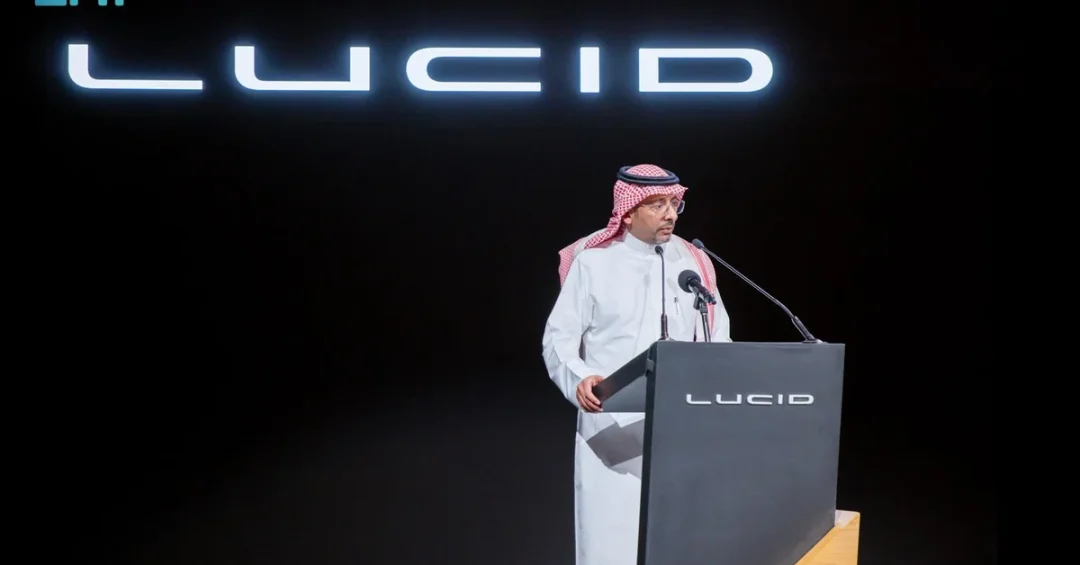
Saudi Arabia is laying a solid foundation to transform its automotive industry into a regional hub, driven by Vision 2030 and supported by strategic investments, localization efforts, and partnerships with global leaders. The Kingdom has made significant progress in recent years, achieving major milestones that highlight its commitment to building a competitive and sustainable automotive ecosystem.
Context and Background
The automotive industry is a significant contributor to national economies worldwide, and Saudi Arabia is leveraging this industry to drive economic growth and job creation. The multiplier effect of the automotive sector—creating between 5 to 7 jobs in adjacent industries for every direct OEM job—underscores its potential to boost the Kingdom’s GDP and create thousands of high-quality jobs for its citizens. The Kingdom’s automotive sector is expected to grow at a rate of 12% annually by 2030, driven by strategic investments in local manufacturing, introduction of innovative and sustainable mobility solutions, and development of a skilled workforce aligned with global automotive standards.
Key Details
Saudi Arabia has successfully localized operations for more than four leading Original Equipment Manufacturers (OEMs) and seven key suppliers, reducing reliance on imports and strengthening the local supply chain. Notable investments include Ceer Motors, the first national automotive brand, a joint venture between the Public Investment Fund (PIF) and Hon Hai Precision Industry Co. (Foxconn). Ceer is creating a portfolio of innovative EVs that will lead in e-mobility, connectivity, and autonomous driving technologies. Lucid Motors started assembly in 2023 and has established a local manufacturing plant, planning to achieve peak production of up to 150,000 cars annually. Hyundai Motor Company has established a highly automated vehicle manufacturing plant in a joint venture with PIF, representing a total investment exceeding $500 million and designed to produce 50,000 vehicles annually, encompassing both internal combustion engine and electric vehicles.
Implications and Impact
These developments are part of a broader strategy to build a globally competitive supply chain. The Ministry of Industry and Mineral Resources is actively working to strengthen supply chain resilience and reduce dependency on imports through initiatives like the Local Suppliers Development Program, which aims to upskill and certify local suppliers, ensuring Saudi-based companies meet international automotive standards. Additionally, the establishment of the National Automotive & Vehicles Academy (NAVA) marks a pivotal step in equipping the Saudi workforce with cutting-edge skills in EV manufacturing and advanced automotive technologies. Through collaborations with the Custodian of the Two Holy Mosques Scholarship Program and leading global universities, Saudi Arabia is investing in educating local talent in automotive-related specializations.
Vision 2030 Alignment
Saudi Arabia’s automotive ambitions go beyond production and manufacturing. The Kingdom is building a sustainable and competitive automotive ecosystem that integrates localization, innovation, and global collaboration. The Kingdom aims to achieve a 30% electric vehicle fleet penetration in Riyadh by 2030 as part of its pledge to reach net-zero emissions by 2060. By focusing on long-term strategic goals, Saudi Arabia is shaping a future where it will not only meet domestic demand but also become a key player in global automotive markets, driving economic diversification and contributing to a cleaner, more sustainable world.
20 Questions
Q1. What is the main goal of Saudi Arabia’s automotive industry transformation?
A1. The main goal is to become a regional hub for the automotive sector, supported by Vision 2030, through localization, innovation, and global partnerships.
Q2. Which Saudi entity partnered with Foxconn to create Ceer Motors?
A2. The Public Investment Fund (PIF) partnered with Foxconn to create Ceer Motors, Saudi Arabia’s first national automotive brand.
Q3. When did Lucid Motors start assembly in Saudi Arabia?
A3. Lucid Motors started assembly in 2023 at its local manufacturing plant in Saudi Arabia.
Q4. What is the planned annual production capacity of Lucid Motors in Saudi Arabia?
A4. Lucid Motors plans to achieve peak production of up to 150,000 cars annually in the Kingdom.
Q5. How much is Hyundai’s joint venture investment in Saudi Arabia?
A5. The joint venture represents a total investment exceeding $500 million.
Q6. What stake does PIF hold in the Hyundai joint venture?
A6. PIF holds a 70% stake in the joint venture, with Hyundai holding the remaining 30%.
Q7. How many vehicles will Hyundai’s plant produce annually?
A7. The plant is designed to produce 50,000 vehicles annually.
Q8. What types of vehicles will Hyundai’s plant produce?
A8. The plant will produce both internal combustion engine and electric vehicles.
Q9. What is the National Automotive & Vehicles Academy (NAVA) focused on?
A9. NAVA focuses on equipping the Saudi workforce with skills in EV manufacturing and advanced automotive technologies.
Q10. What is the estimated annual growth rate of Saudi Arabia’s automotive sector by 2030?
A10. The sector is expected to grow at a rate of 12% annually by 2030.
Q11. How many jobs can be created in adjacent industries for every direct OEM job?
A11. Between 5 to 7 jobs can be created in adjacent industries for every direct OEM job.
Q12. What is the target EV fleet penetration in Riyadh by 2030?
A12. The target is a 30% electric vehicle fleet penetration in Riyadh by 2030.
Q13. By what year does Saudi Arabia aim to achieve net-zero emissions?
A13. Saudi Arabia aims to achieve net-zero emissions by 2060.
Q14. Which ministry is leading the automotive localization efforts?
A14. The Ministry of Industry and Mineral Resources is leading the localization efforts.
Q15. What is the Local Suppliers Development Program designed to do?
A15. It aims to upskill and certify local suppliers to meet international automotive standards.
Q16. How many OEMs have been localized in Saudi Arabia?
A16. More than four leading OEMs have been localized in Saudi Arabia.
Q17. How many key suppliers have been localized?
A17. Seven key suppliers have been localized.
Q18. Which scholarship program supports automotive education?
A18. The Custodian of the Two Holy Mosques Scholarship Program supports automotive education.
Q19. What is Ceer Motors creating?
A19. Ceer Motors is creating a portfolio of innovative EVs leading in e-mobility, connectivity, and autonomous driving.
Q20. What is the vision for Saudi Arabia’s role in the global automotive market?
A20. Saudi Arabia aims to become a regional hub and key player in the global automotive market, driving economic diversification and sustainability.
Reader Feedback
We value your thoughts. Please share your feedback on this article.
Your feedback helps us improve our coverage.