


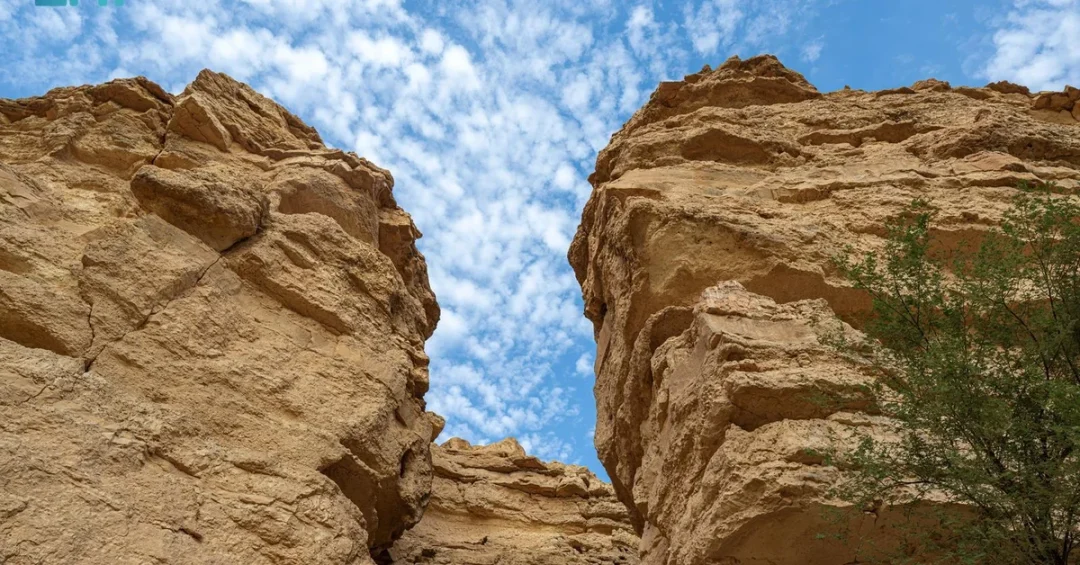
The King Khalid Royal Reserve, a protected area in Saudi Arabia, showcases extraordinary geological formations shaped over millennia by natural erosion and climate shifts, offering visitors unmatched natural beauty and adventure opportunities. Located in the heart of the Kingdom, the reserve features the Al-Urumah mountains, a 700-kilometer stretch of dramatic landscapes including natural caves, rock columns, and stone bridges. These striking rock formations attract photography and adventure enthusiasts from around the world, making the reserve a premier destination for ecotourism and outdoor exploration.
Context and Background
Established as part of Saudi Arabia’s commitment to environmental conservation, the King Khalid Royal Reserve spans diverse terrains that preserve the region’s geological heritage. The reserve’s rock formations not only provide aesthetic and recreational value but also contain a geological record that reveals ancient environmental and climatic changes. This scientific significance underscores the importance of preserving these natural landmarks for future generations and for ongoing research into the Kingdom’s natural history.
Key Details
During the winter season, cooler temperatures transform the reserve into an ideal destination for ecotourism and outdoor activities. Visitors can hike among towering rock formations, enjoy picnics in scenic spots, cycle along well-maintained trails, and engage in stargazing on clear nights. The reserve’s exceptional environment for astronomical observation allows visitors to experience the night sky with minimal light pollution, enhancing the adventure experience. The Saudi Press Agency (SPA) highlighted that preservation efforts are crucial for protecting geological diversity and promoting environmental sustainability, with responsible tourism practices ensuring the safeguarding of these natural landmarks.
Implications and Impact
The King Khalid Royal Reserve’s geological wonders position Saudi Arabia as a rising global destination for nature-based tourism, aligning with international trends in sustainable travel. By preserving its unique landscapes and promoting ecotourism, the Kingdom attracts visitors seeking authentic natural experiences, boosting local economies and enhancing its international image as a steward of environmental conservation. The reserve also serves as an outdoor laboratory for geologists and climate scientists, contributing to global understanding of arid region geology and climate history.
Vision 2030 Alignment
The development and promotion of the King Khalid Royal Reserve directly support Saudi Arabia’s Vision 2030 goals of diversifying the economy through tourism and ensuring environmental sustainability. By investing in eco-tourism infrastructure and conservation, the Kingdom creates new opportunities for adventure travel and cultural heritage appreciation, while preserving its natural assets for future generations. This commitment to balancing growth with environmental stewardship reflects Saudi Arabia’s long-term vision of becoming a leading global destination for sustainable tourism.
20 Questions
Q1. What is the King Khalid Royal Reserve?
A1. The King Khalid Royal Reserve is a protected natural area in Saudi Arabia known for its unique geological formations, diverse landscapes, and rich biodiversity, managed under the Saudi government’s conservation programs.
Q2. Where is the King Khalid Royal Reserve located?
A2. The reserve is situated in central Saudi Arabia, encompassing parts of the Al-Urumah mountains, a 700-kilometer mountain range featuring dramatic rock formations and scenic valleys.
Q3. How old are the rock formations in the reserve?
A3. The rock formations in the reserve have been shaped over thousands of years by natural erosion and fluctuating climatic conditions, making them ancient geological features.
Q4. What types of rock formations can be found there?
A4. The reserve features natural caves, rock columns, stone bridges, and towering rock structures, all sculpted by wind and water over millennia.
Q5. What activities can visitors enjoy at the reserve?
A5. Visitors can hike, picnic, cycle on scenic trails, stargaze, and explore the unique geological sites. Photography and adventure activities are also popular.
Q6. Why is the reserve important for ecotourism?
A6. The reserve offers pristine natural landscapes and diverse geological features that attract eco-conscious travelers, promoting sustainable tourism and environmental appreciation.
Q7. What is the best season to visit the King Khalid Royal Reserve?
A7. Winter, with its cooler temperatures, is the ideal season for outdoor activities and exploration, providing comfortable conditions for hiking and camping.
Q8. How does the reserve contribute to scientific research?
A8. The rock layers hold a geological record of environmental and climatic changes, providing valuable data for geologists and climate scientists studying the region’s history.
Q9. Is the reserve protected by Saudi law?
A9. Yes, the King Khalid Royal Reserve is a designated protected area, managed by the Saudi government to conserve its natural and geological heritage.
Q10. How can visitors access the reserve?
A10. Visitors can access the reserve via designated roads and trails, with guided tours and visitor facilities available to ensure safe and responsible exploration.
Q11. What wildlife can be found in the reserve?
A11. The reserve hosts diverse wildlife adapted to arid environments, including mammals, birds, and reptiles, contributing to the region’s biodiversity.
Q12. How does the reserve align with Vision 2030?
A12. The reserve supports Vision 2030 by promoting eco-tourism, environmental sustainability, and economic diversification, attracting international visitors and investment.
Q13. What is the role of the Saudi Press Agency in promoting the reserve?
A13. The SPA disseminates official information about the reserve’s features, conservation efforts, and tourism potential, highlighting its national significance.
Q14. Are there any visitor centers or facilities?
A14. Yes, the reserve offers visitor centers, marked trails, and picnic areas to enhance the visitor experience while ensuring minimal environmental impact.
Q15. Can visitors camp overnight in the reserve?
A15. Overnight camping is permitted in designated areas, allowing visitors to experience stargazing and the serenity of the desert landscape.
Q16. What are Al-Urumah mountains known for?
A16. Al-Urumah mountains are known for their striking rock formations, including natural arches and caves, stretching over 700 kilometers and offering dramatic scenery.
Q17. How does the reserve promote environmental sustainability?
A17. Through conservation programs, responsible tourism practices, and public awareness campaigns, the reserve ensures long-term protection of its geological and ecological resources.
Q18. Are there any guided tours available?
A18. Yes, guided tours led by knowledgeable rangers are available, providing insights into the reserve’s geology, wildlife, and cultural history.
Q19. What makes the reserve ideal for stargazing?
A19. The remote location and minimal light pollution create exceptionally dark skies, making it a prime spot for astronomical observation and night photography.
Q20. How can visitors contribute to conservation efforts?
A20. Visitors can follow designated trails, avoid disturbing wildlife, pack out waste, and support local eco-tourism initiatives that fund conservation activities.
Reader Feedback
We value your thoughts. Please share your feedback on this article.
Your feedback helps us improve our coverage.