


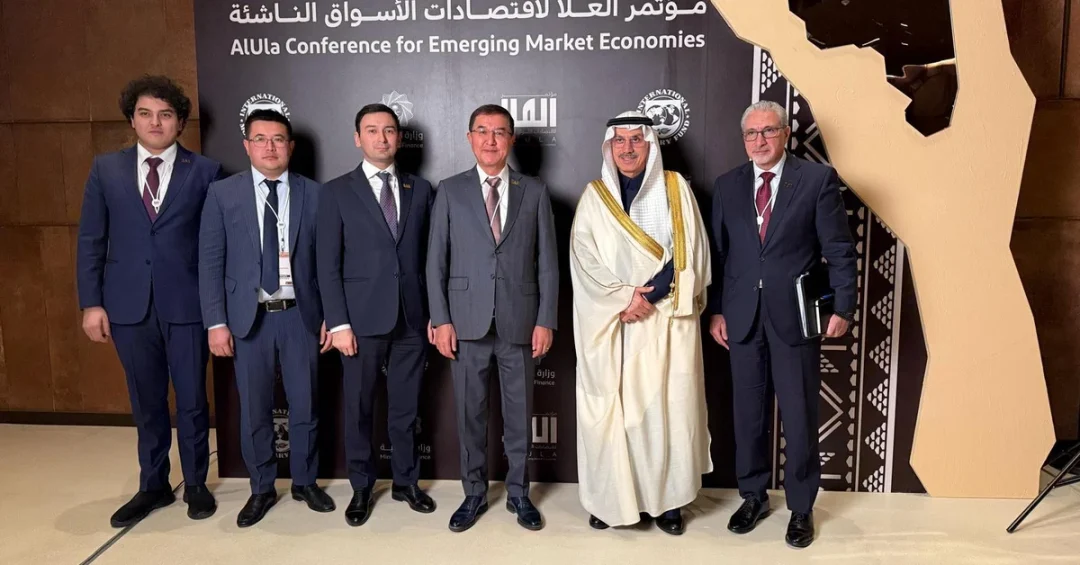
The Islamic Development Bank (IsDB) and the Government of Uzbekistan signed two agreements on February 18, 2025, to enhance education and road infrastructure in Uzbekistan. The agreements were formalized on the sidelines of the AlUla Conference for Emerging Market Economies, a high-level gathering focused on economic development and cooperation. IsDB President Muhammad Al Jasser and Uzbek Deputy Prime Minister and Minister of Economy and Finance Jamshid Kuchkarov signed the documents, signaling a strengthened partnership between the Kingdom of Saudi Arabia-led institution and the Central Asian nation.
Context and Background
The AlUla Conference for Emerging Market Economies, held in the historic Saudi city of AlUla, serves as a platform for dialogue and collaboration on economic challenges and opportunities facing emerging markets. The signing of these agreements underscores Saudi Arabia’s commitment to fostering international development through IsDB, which has a mandate to promote economic growth and social progress in its member countries. Uzbekistan, a key partner in Central Asia, has been actively pursuing infrastructure modernization and educational reforms as part of its national development strategy.
Key Details
The specific terms of the agreements include financing and technical support for educational projects aimed at improving access to quality schooling and vocational training, as well as upgrades to road networks to enhance connectivity and trade. IsDB President Muhammad Al Jasser emphasized the bank’s dedication to supporting human capital development and infrastructure, aligning with Uzbekistan’s long-term goals. The agreements were signed amid discussions on emerging market resilience, highlighting the role of multilateral development banks in bridging financing gaps.
Implications and Impact
These agreements are expected to catalyze economic growth in Uzbekistan by improving logistics and education outcomes. Enhanced road infrastructure will facilitate regional trade, particularly along routes connecting Central Asia to broader markets. The focus on education aligns with global best practices for sustainable development, as skilled workforces are critical for attracting investment. For IsDB, the partnership reinforces its role as a key development partner in Central Asia, a region of growing geopolitical and economic significance.
Vision 2030 Alignment
Through IsDB’s initiatives, Saudi Arabia advances its Vision 2030 goals of becoming a global hub for innovation and development cooperation. By supporting education and infrastructure in partner countries, the Kingdom demonstrates its commitment to shared prosperity and regional stability. The agreements signed at the AlUla Conference reflect Saudi Arabia’s leadership in fostering international partnerships that generate long-term, inclusive growth, contributing to a more interconnected and prosperous world.
20 Questions
Q1. What agreements did IsDB and Uzbekistan sign?
A1. IsDB and Uzbekistan signed two agreements to boost education and road infrastructure, focusing on financing and technical support for projects in these sectors.
Q2. When and where were the agreements signed?
A2. The agreements were signed on February 18, 2025, on the sidelines of the AlUla Conference for Emerging Market Economies in Saudi Arabia.
Q3. Who signed the agreements on behalf of IsDB and Uzbekistan?
A3. IsDB President Muhammad Al Jasser and Uzbek Deputy Prime Minister and Minister of Economy and Finance Jamshid Kuchkarov signed the agreements.
Q4. What is the purpose of the AlUla Conference for Emerging Market Economies?
A4. It is a high-level forum to discuss economic challenges and opportunities facing emerging markets, promoting collaboration and development.
Q5. How does this agreement support Uzbekistan’s development?
A5. It provides financing and expertise for education and road projects, enhancing human capital and connectivity to drive economic growth.
Q6. What is the Islamic Development Bank?
A6. IsDB is a multilateral development bank headquartered in Jeddah, Saudi Arabia, focused on promoting economic progress in member countries.
Q7. Why is road infrastructure important for Uzbekistan?
A7. Improved roads boost trade, logistics, and regional integration, supporting economic diversification and growth in Central Asia.
Q8. How does education funding align with global development goals?
A8. Investing in education fosters skilled workforces, reduces poverty, and supports sustainable development, aligning with UN Sustainable Development Goals.
Q9. What is the role of the Saudi government in this agreement?
A9. Saudi Arabia, as host of IsDB, supports these initiatives through its development leadership and Vision 2030 commitment to global cooperation.
Q10. How will IsDB finance these projects?
A10. IsDB provides loans, grants, or technical assistance from its resources, tailored to project needs and Uzbekistan’s development priorities.
Q11. What other countries benefit from IsDB’s work in Central Asia?
A11. IsDB supports multiple Central Asian nations, including Kazakhstan, Kyrgyzstan, Tajikistan, and Turkmenistan, focusing on infrastructure and social projects.
Q12. Why is the AlUla Conference location significant?
A12. AlUla is a historic and cultural hub in Saudi Arabia, symbolizing the Kingdom’s openness and commitment to hosting international dialogues.
Q13. How does this agreement relate to Vision 2030?
A13. It demonstrates Saudi Arabia’s role as a global development partner, aligning with Vision 2030’s goals of international cooperation and economic leadership.
Q14. What are the expected outcomes of the education projects?
A14. Improved access to quality education and vocational training will enhance skills, employability, and long-term economic productivity in Uzbekistan.
Q15. How will road infrastructure improvements affect trade?
A15. Better roads reduce transportation costs and time, facilitating domestic and cross-border trade, especially along key Central Asian routes.
Q16. Is this IsDB’s first agreement with Uzbekistan?
A16. IsDB has a long history of partnership with Uzbekistan, financing various development projects over many years across multiple sectors.
Q17. What is the value of the signed agreements?
A17. The specific financial details were not disclosed in the official statement, but they represent significant investment in priority sectors.
Q18. How does this benefit Saudi Arabia?
A18. It reinforces Saudi Arabia’s leadership in Islamic finance and development, enhancing its soft power and strategic ties with Central Asia.
Q19. What other initiatives did the AlUla Conference feature?
A19. The conference included discussions on economic resilience, investment opportunities, and partnerships among emerging market economies and development institutions.
Q20. When will the projects commence?
A20. Implementation timelines will follow detailed planning and approvals, with expected start dates to be announced by IsDB and Uzbek officials in due course.
Reader Feedback
We value your thoughts. Please share your feedback on this article.
Your feedback helps us improve our coverage.