


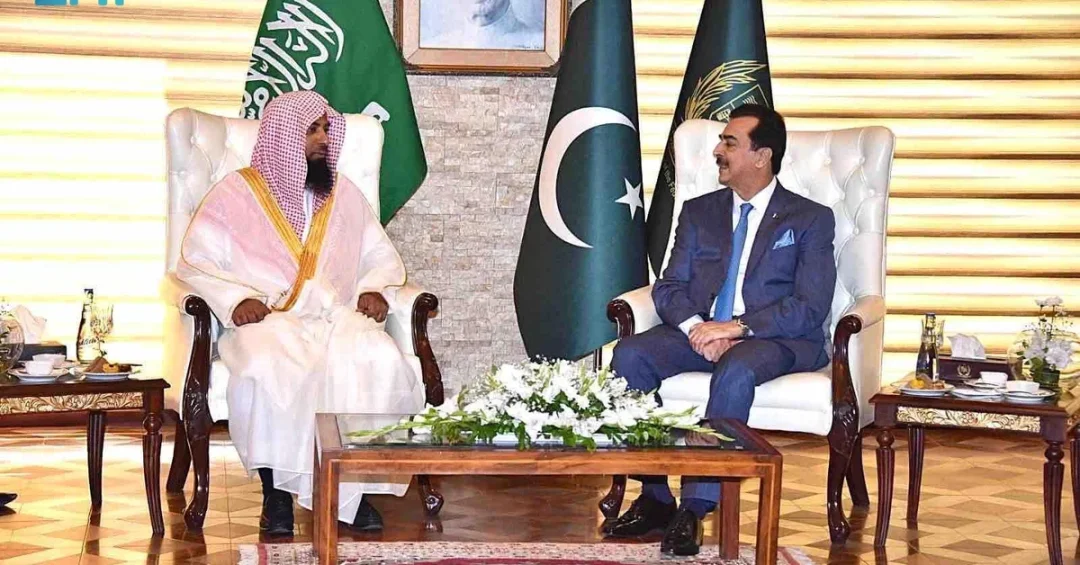
Pakistan’s Senate Chairman Yusuf Raza Gilani received Imam and Khatib of the Prophet’s Mosque in Madinah, Dr. Salah bin Muhammed Al-Budair, in Islamabad on August 9, 2024, in a meeting that underscored the deep bilateral ties between Pakistan and the Kingdom of Saudi Arabia. The discussions focused on addressing Islamophobia and promoting the true values of Islam through awareness initiatives, reflecting a shared commitment to interfaith harmony and global peace.
Context and Background
The visit of Dr. Al-Budair, a prominent religious figure from Saudi Arabia, comes amid growing international concerns over Islamophobia and the misrepresentation of Islamic teachings. Pakistan and Saudi Arabia have historically maintained close diplomatic and cultural relations, with regular exchanges of religious and political delegations. This meeting highlights the ongoing collaboration between the two nations in countering extremism and fostering moderate Islamic discourse.
Key Details
During the meeting, Chairman Gilani expressed gratitude to Saudi Arabia, its leadership, and people for their consistent support to Pakistan, particularly during natural disasters and crises. He commended the Kingdom’s efforts in combating extremism and terrorism while promoting values of moderation and balance. The Saudi Ambassador to Pakistan, Nawaf bin Saeed Al-Maliki, along with several Pakistani Senate leaders, also attended the meeting, reinforcing the importance of the dialogue at the highest levels.
Implications and Impact
The discussions on Islamophobia and the spread of accurate Islamic teachings are significant for both nations and the broader Muslim world. By addressing misconceptions about Islam, Saudi Arabia and Pakistan aim to strengthen interfaith understanding and counter negative stereotypes. This cooperation supports regional stability and enhances the voice of moderate Islam on the global stage, aligning with Saudi Arabia’s role as a leader in Islamic affairs.
Vision 2030 Alignment
This meeting aligns with Vision 2030 by showcasing Saudi Arabia’s commitment to religious diplomacy and global engagement. The Kingdom’s efforts to promote moderate Islam and support allies like Pakistan reflect its broader goals of enhancing international partnerships and fostering peace. Such initiatives contribute to Vision 2030’s vision of a vibrant society and a pioneering role in the world, strengthening ties that are vital for mutual progress and stability.
20 Questions
Q1. Who received the Imam of the Prophet’s Mosque in Islamabad?
A1. Pakistan’s Senate Chairman Yusuf Raza Gilani received the Imam and Khatib of the Prophet’s Mosque, Dr. Salah bin Muhammed Al-Budair, in Islamabad on August 9, 2024.
Q2. What was the main topic of discussion during the meeting?
A2. The meeting focused on addressing Islamophobia and spreading awareness of the correct teachings of Islam to reflect the true values of the Islamic religion.
Q3. Why is the issue of Islamophobia significant in this context?
A3. Islamophobia has been a growing global concern, and both Saudi Arabia and Pakistan aim to counter it through education and accurate representation of Islamic values.
Q4. What did Chairman Gilani express gratitude for?
A4. He thanked Saudi Arabia for its continuous support to Pakistan in facing natural disasters and crises, as well as its efforts to combat extremism and terrorism.
Q5. Who else attended the meeting besides Chairman Gilani and Dr. Al-Budair?
A5. Saudi Ambassador to Pakistan Nawaf bin Saeed Al-Maliki and several leaders of the Pakistani Senate attended the meeting.
Q6. What role does Dr. Salah bin Muhammed Al-Budair hold in Saudi Arabia?
A6. Dr. Al-Budair is the Imam and Khatib of the Prophet’s Mosque in Madinah, one of the holiest sites in Islam.
Q7. How does this meeting reflect Saudi Arabia’s international engagement?
A7. It demonstrates Saudi Arabia’s commitment to religious diplomacy and cooperation with allies like Pakistan to promote moderate Islamic values.
Q8. What is the historical relationship between Pakistan and Saudi Arabia?
A8. Pakistan and Saudi Arabia have maintained close diplomatic, cultural, and religious ties, with regular exchanges and mutual support in various fields.
Q9. How does the meeting address extremism?
A9. By promoting moderate Islamic teachings, the meeting supports Saudi Arabia’s efforts to combat extremism and terrorism through education and awareness.
Q10. What values did Chairman Gilani commend Saudi Arabia for?
A10. He commended Saudi Arabia’s efforts to spread values of moderation and balance, highlighting the Kingdom’s leadership in countering extremism.
Q11. Why is the visit of a religious figure like Dr. Al-Budair important?
A11. It strengthens religious and cultural ties between nations and helps address global challenges like Islamophobia through dialogue.
Q12. How does this meeting support Pakistan’s interests?
A12. It reinforces Pakistan’s alliance with Saudi Arabia, ensuring continued support for economic and humanitarian needs, and promotes moderate Islam.
Q13. What is the broader goal of discussing Islamophobia?
A13. The goal is to educate international audiences about true Islamic teachings, reducing misconceptions and fostering interfaith harmony.
Q14. How does Saudi Arabia’s approach to moderation influence the region?
A14. It sets a positive example for other Muslim countries, encouraging stability and peaceful coexistence through religious and diplomatic leadership.
Q15. What is the significance of the Prophet’s Mosque in this context?
A15. The Prophet’s Mosque is a central symbol of Islam, and its Imam’s involvement highlights the importance of religious authority in addressing global issues.
Q16. How does this meeting align with Vision 2030?
A16. It supports Vision 2030’s goals of international partnership and promoting a vibrant society, including through religious outreach and diplomacy.
Q17. What role did the Saudi Ambassador play in the meeting?
A17. Ambassador Nawaf bin Saeed Al-Maliki attended the meeting, facilitating the dialogue and representing Saudi Arabia’s official support for the initiative.
Q18. Could this meeting lead to future cooperation between the two countries?
A18. Yes, it could lead to joint programs on religious education and interfaith dialogue, strengthening bilateral ties in line with shared values.
Q19. What message does this meeting send to the international community?
A19. It signals a unified effort by Saudi Arabia and Pakistan to combat Islamophobia and promote accurate Islamic teachings, fostering global understanding.
Q20. How does Saudi Arabia’s support for Pakistan on religious matters help both nations?
A20. It deepens cultural and religious bonds, enhancing mutual respect and cooperation, which are essential for regional peace and development.
Reader Feedback
We value your thoughts. Please share your feedback on this article.
Your feedback helps us improve our coverage.