


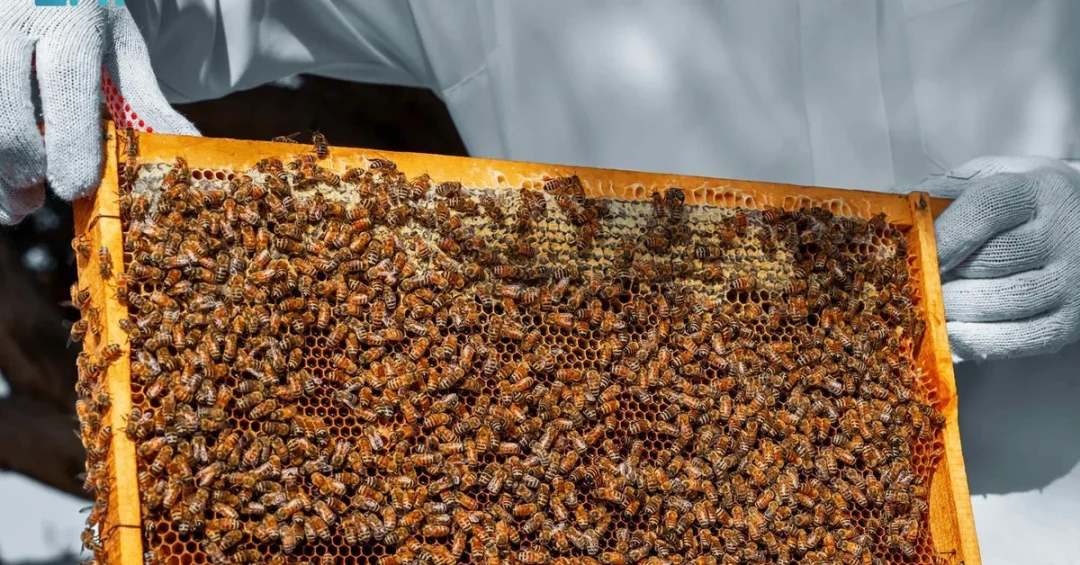
Imam Turki bin Abdullah Royal Reserve is buzzing with activity, hosting over 40,000 beehives across 400 sites managed by 140 beekeepers, the Saudi Press Agency reported on August 9, 2024. This significant apicultural operation is transforming the reserve into a hub for high-quality honey production, with beekeepers focusing on harvesting the finest Talh and Sidr honey from the reserve’s vast 91,500 square kilometer landscape.
Context and Background
Located in northern Saudi Arabia, the Imam Turki bin Abdullah Royal Reserve is one of the Kingdom’s flagship conservation areas, established under the Saudi Vision 2030 initiative to preserve biodiversity and promote sustainable development. The reserve’s diverse ecosystems, including acacia woodlands and arid plains, provide an ideal environment for beekeeping, supporting both ecological balance and economic diversification.
Key Details
Beekeeper Mufleh Al-Jabreen emphasized the crucial role of bees in the ecosystem. “Bees are crucial for pollinating flowers, boosting tree productivity, and enhancing seed quality,” he said, adding that flower pollination can increase by up to 70% due to their efforts. Al-Jabreen also praised the unique qualities of Talh and Sidr honey, known for their wild flavor and resistance to crystallization. The peak honey production season runs from April to October. Beekeepers expressed gratitude to the reserve authority for providing essential support, including permits, beehive spacing guidelines, and site allocation.
Implications and Impact
The thriving beekeeping industry at Imam Turki bin Abdullah Royal Reserve supports local livelihoods and contributes to Saudi Arabia’s food security. It also bolsters the Kingdom’s reputation as a producer of premium organic honey, attractive to international markets. This development aligns with broader environmental goals, as bees play a vital role in pollinating native plants, helping to restore degraded lands and enhance carbon sequestration.
Vision 2030 Alignment
The expansion of beekeeping at Imam Turki bin Abdullah Royal Reserve exemplifies Saudi Arabia’s commitment to environmental sustainability and economic diversification under Vision 2030. By promoting beekeeping as a sustainable livelihood, the reserve authority supports the Kingdom’s goals of preserving natural habitats, enhancing agricultural productivity, and creating new economic opportunities for local communities, reinforcing Saudi Arabia’s global leadership in conservation and sustainable development.
20 Questions
Q1. Where is Imam Turki bin Abdullah Royal Reserve located?
A1. The reserve is located in northern Saudi Arabia, covering an area of approximately 91,500 square kilometers.
Q2. How many beehives are there in the reserve?
A2. The reserve hosts over 40,000 beehives across 400 sites.
Q3. How many beekeepers work in the reserve?
A3. There are 140 beekeepers managing the beehives.
Q4. What types of honey are produced in the reserve?
A4. The reserve produces Talh and Sidr honey, among other varieties.
Q5. What is special about Talh and Sidr honey?
A5. Talh and Sidr honey are known for their wild flavor and resistance to crystallization.
Q6. When is the peak honey production season?
A6. The peak season runs from April to October.
Q7. What role do bees play in the ecosystem according to beekeepers?
A7. Bees are crucial for pollinating flowers, boosting tree productivity, and enhancing seed quality.
Q8. By how much can bees increase flower pollination?
A8. Flower pollination can increase by up to 70% due to bees.
Q9. What support does the reserve authority provide to beekeepers?
A9. The authority provides permits, beehive spacing guidelines, and site allocation.
Q10. How does beekeeping contribute to Saudi Arabia’s economy?
A10. It supports local livelihoods and produces premium honey for domestic and international markets.
Q11. Is the reserve part of any national initiative?
A11. Yes, the reserve is part of the Saudi Vision 2030 initiative for conservation and sustainable development.
Q12. What environmental benefits come from beekeeping?
A12. Beekeeping helps pollinate native plants, restore degraded lands, and enhance carbon sequestration.
Q13. How does the reserve support food security?
A13. By boosting honey production and improving pollination for fruit and seed crops, it enhances agricultural output.
Q14. Are there any unique features of the reserve’s landscape?
A14. The reserve includes acacia woodlands and arid plains, ideal for beekeeping.
Q15. How many beekeeping sites are there in the reserve?
A15. There are 400 beekeeping sites across the reserve.
Q16. What is the total area of the reserve?
A16. The reserve covers an area of 91,500 square kilometers.
Q17. Who reported the beehive numbers?
A17. The Saudi Press Agency (SPA) reported the data on August 9, 2024.
Q18. What is Sidr honey?
A18. Sidr honey is a premium honey produced from the nectar of Sidr tree flowers.
Q19. How does beekeeping align with Vision 2030?
A19. It promotes environmental sustainability, economic diversification, and community development, all core goals of Vision 2030.
Q20. What is the future outlook for beekeeping in the reserve?
A20. The reserve aims to expand beekeeping operations, further enhancing biodiversity, honey production, and local economic opportunities.
Reader Feedback
We value your thoughts. Please share your feedback on this article.
Your feedback helps us improve our coverage.