


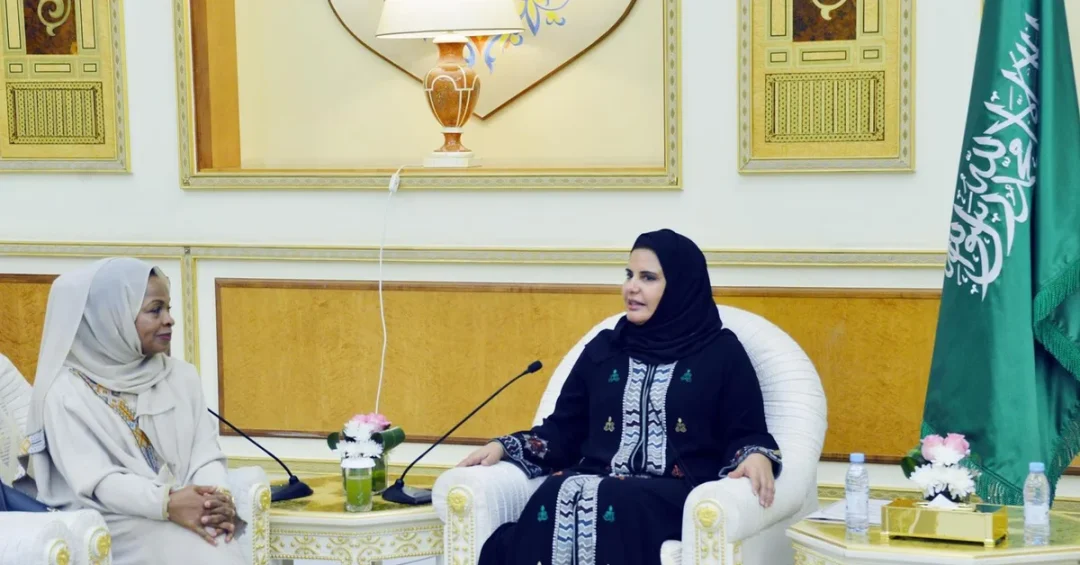
Assistant Speaker of the Shura Council Dr. Hanan bint Abdurrahim bin Mutlaq Al-Ahmadi met with a delegation of wives of ambassadors accredited to Saudi Arabia on February 18, 2025, in Riyadh. The meeting, held at the Shura Council headquarters, was led by Mariam Tijani, President of the Spouses of Heads of Mission and wife of the Ambassador of Cameroon, and focused on Saudi Arabia’s legislative advancements, women’s empowerment, and progress under Vision 2030.
Context and Background
The Shura Council, Saudi Arabia’s consultative assembly, plays a pivotal role in shaping the Kingdom’s legislative and oversight framework. Dr. Al-Ahmadi’s engagement with the spouses of diplomats underscores Saudi Arabia’s commitment to fostering international relations and showcasing its developmental strides, particularly in empowering women and enhancing public services.
Key Details
During the meeting, Dr. Al-Ahmadi highlighted the Shura Council’s contributions to legislative reforms and its role in parliamentary diplomacy. She emphasized the Kingdom’s efforts to empower women, noting their increasing participation in public and private sectors. Additionally, she discussed Saudi Arabia’s advancements aligned with Vision 2030, including improvements in service quality and key economic indicators.
Implications and Impact
This meeting reflects Saudi Arabia’s proactive approach to strengthening diplomatic ties and showcasing its modernization efforts. By engaging with the spouses of ambassadors, the Kingdom reinforces its narrative of inclusivity and progress, particularly in women’s empowerment, which resonates positively on the global stage.
Vision 2030 Alignment
The discussions align with Saudi Arabia’s Vision 2030 goals of fostering a vibrant society, a thriving economy, and an ambitious nation. Dr. Al-Ahmadi’s emphasis on women’s empowerment and legislative progress highlights the Kingdom’s commitment to achieving these objectives while enhancing its global reputation.
20 Questions
Q1. Who led the delegation of wives of ambassadors?
A1. The delegation was led by Mariam Tijani, President of the Spouses of Heads of Mission and wife of the Ambassador of Cameroon.
Q2. What was the purpose of the meeting?
A2. The meeting aimed to discuss Saudi Arabia’s legislative advancements, women’s empowerment, and progress under Vision 2030.
Q3. Where was the meeting held?
A3. The meeting took place at the Shura Council headquarters in Riyadh.
Q4. Who chaired the meeting?
A4. Dr. Hanan bint Abdurrahim bin Mutlaq Al-Ahmadi, Assistant Speaker of the Shura Council, chaired the meeting.
Q5. What roles does the Shura Council play?
A5. The Shura Council is responsible for legislative and oversight functions in Saudi Arabia.
Q6. What was emphasized regarding women in Saudi Arabia?
A6. Dr. Al-Ahmadi emphasized the Kingdom’s efforts to empower women and increase their participation in various sectors.
Q7. What is Saudi Vision 2030?
A7. Saudi Vision 2030 is a strategic framework to diversify the economy and develop public service sectors in the Kingdom.
Q8. What progress was highlighted during the meeting?
A8. Progress in women’s empowerment, legislative reforms, and improvements in service quality were highlighted.
Q9. How does this meeting reflect Saudi Arabia’s diplomatic efforts?
A9. It showcases Saudi Arabia’s commitment to strengthening international relations and sharing its developmental achievements.
Q10. What is parliamentary diplomacy?
A10. Parliamentary diplomacy refers to the use of legislative bodies to foster international cooperation and dialogue.
Q11. What is the significance of women’s empowerment in Saudi Arabia?
A11. It reflects the Kingdom’s commitment to inclusivity and aligns with Vision 2030’s goals of societal and economic transformation.
Q12. What sectors were discussed during the meeting?
A12. Legislative reforms, women’s empowerment, and advancements in public services were discussed.
Q13. How does Saudi Arabia engage with international communities?
A13. Through diplomatic meetings, parliamentary diplomacy, and showcasing its developmental progress.
Q14. What is the role of the Spouses of Heads of Mission?
A14. They represent diplomatic spouses and engage in activities that promote cultural and diplomatic exchange.
Q15. What are the key goals of Saudi Vision 2030?
A15. The goals include diversifying the economy, enhancing public services, and fostering a vibrant society.
Q16. How does Saudi Arabia improve its global reputation?
A16. By demonstrating its commitment to modernization, inclusivity, and international cooperation.
Q17. What is the Shura Council’s role in Vision 2030?
A17. It supports legislative reforms and oversight to achieve Vision 2030’s objectives.
Q18. What was highlighted about Saudi Arabia’s service quality?
A18. Dr. Al-Ahmadi noted significant improvements in service quality for citizens and residents.
Q19. How does this meeting align with Saudi Arabia’s values?
A19. It reflects the Kingdom’s values of inclusivity, progress, and international engagement.
Q20. What is the broader impact of such meetings?
A20. They strengthen diplomatic ties, promote Saudi Arabia’s achievements, and foster mutual understanding with international partners.
Reader Feedback
We value your thoughts. Please share your feedback on this article.
Your feedback helps us improve our coverage.