


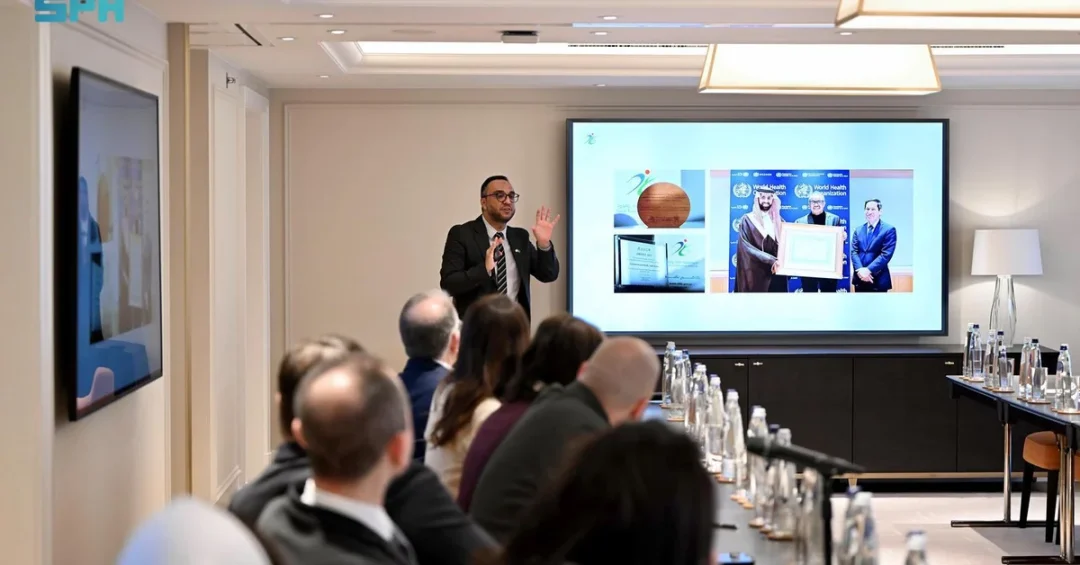
The Saudi Food and Drug Authority (SFDA) convened a high-level roundtable meeting in Brussels on February 19, 2025, bringing together European Union officials, business leaders, and Saudi representatives to discuss collaboration in food and drug safety, trade, and investment opportunities. The event, inaugurated by SFDA Chief Executive Prof. Dr. Hisham bin Saad Aljadhey, underscored Saudi Arabia’s commitment to international cooperation in these critical sectors.
Context and Background
The roundtable meeting reflects Saudi Arabia’s strategic efforts to enhance global partnerships in food and pharmaceutical industries, aligning with Vision 2030’s goals of economic diversification and international collaboration. The participation of key EU directorates-general and Saudi Ambassador Haifa Al-Jedea highlights the importance both sides place on regulatory alignment and trade facilitation.
Key Details
The SFDA showcased its initiatives to support private sector growth, including specialized workshops and seminars designed to streamline business operations. Discussions focused on investment opportunities in Saudi Arabia’s rapidly growing food, medicine, and medical device sectors. The SFDA also presented its achievements in nutrition policy and food system development, emphasizing partnerships with local and international entities.
Implications and Impact
This meeting strengthens Saudi-EU ties in regulatory frameworks, potentially increasing trade and investment flows. By aligning standards and sharing expertise, both regions can enhance product safety and quality while opening new markets for businesses. The SFDA’s active role in international organizations positions Saudi Arabia as a key player in global food and drug safety discussions.
Vision 2030 Alignment
This engagement directly supports Vision 2030’s objectives of developing competitive industries and attracting foreign investment. The SFDA’s international partnerships contribute to building a robust, knowledge-based economy while ensuring Saudi citizens benefit from world-class food and pharmaceutical standards. Such collaborations demonstrate Saudi Arabia’s growing leadership in global health and trade governance.
20 Questions
Q1. Who inaugurated the SFDA roundtable meeting in Brussels?
A1. The meeting was inaugurated by SFDA Chief Executive Prof. Dr. Hisham bin Saad Aljadhey, demonstrating Saudi Arabia’s commitment to international cooperation in food and drug safety.
Q2. Which Saudi ambassador attended the Brussels meeting?
A2. Saudi Ambassador to the European Union Haifa Al-Jedea participated, reflecting the Kingdom’s diplomatic engagement on food and pharmaceutical regulations.
Q3. What EU sectors were represented at the meeting?
A3. Officials attended from EU directorates-general for health and food safety, agriculture and rural development, and trade, showing broad interest in collaboration.
Q4. What services did the SFDA highlight during the meeting?
A4. The SFDA presented its private sector support services including business facilitation initiatives, workshops, and seminars to enhance investment opportunities.
Q5. What sectors were discussed for investment opportunities?
A5. Participants explored opportunities in Saudi Arabia’s food, medicine, and medical device sectors, which are experiencing continuous growth and development.
Q6. What presentation did the SFDA deliver at the meeting?
A6. The SFDA presented its nutrition policies and vision for developing a food system that enhances product quality and safety standards.
Q7. How does this meeting benefit Saudi-EU relations?
A7. The meeting strengthens regulatory cooperation, potentially increasing trade and investment while improving food and pharmaceutical standards in both regions.
Q8. What international role does the SFDA play?
A8. The SFDA leverages its membership in international organizations to build global partnerships and contribute to worldwide food and drug safety standards.
Q9. How does this align with Saudi Arabia’s economic goals?
A9. The collaboration supports Vision 2030’s diversification objectives by attracting foreign investment and developing competitive food and pharmaceutical industries.
Q10. What was discussed about international partnerships?
A10. Participants explored promising prospects for international collaborations that could benefit both Saudi and European companies in these sectors.
Q11. How does the SFDA support business operations?
A11. Through initiatives like specialized workshops and seminars that help streamline regulatory processes and facilitate market entry for companies.
Q12. What achievements did the SFDA present?
A12. The SFDA highlighted its key accomplishments in food safety and nutrition policy developed through local and international partnerships.
Q13. Why is food system development important?
A13. Developing robust food systems ensures product quality and safety for Saudi consumers while supporting agricultural and food processing industries.
Q14. How does this meeting impact Saudi consumers?
A14. Enhanced international cooperation leads to improved food and drug safety standards, directly benefiting public health in the Kingdom.
Q15. What role do European companies play?
A15. European companies specializing in food and pharmaceuticals participated, exploring opportunities to collaborate with Saudi partners and enter the market.
Q16. How does this support Saudi Arabia’s global position?
A16. Active participation in such international forums elevates Saudi Arabia’s role in shaping global food and pharmaceutical regulations and standards.
Q17. What future vision did the SFDA share?
A17. The SFDA outlined plans to deepen international partnerships and expand cooperation with global entities in food and drug safety.
Q18. How does this benefit European businesses?
A18. European companies gain clearer pathways to enter Saudi Arabia’s growing market while contributing their expertise to regional development.
Q19. What working groups participated?
A19. Members of working groups in the European Council joined, indicating technical-level engagement on regulatory matters.
Q20. Why is this meeting significant for Vision 2030?
A20. It advances Vision 2030’s goals by fostering international partnerships that drive economic diversification and knowledge transfer in key sectors.
Reader Feedback
We value your thoughts. Please share your feedback on this article.
Your feedback helps us improve our coverage.