


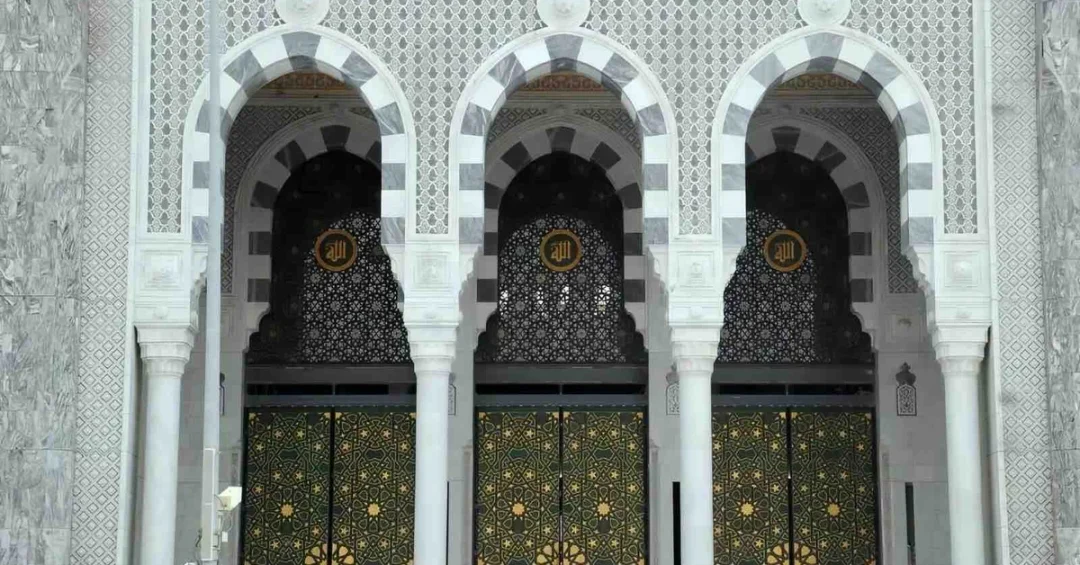
The King Abdullah bin Abdulaziz Gate, designated as gate number 100 of the Grand Mosque in Makkah, has been officially recognized as the tallest and largest gate of its kind in the world. This announcement was made by the General Authority for the Care of the Affairs of the Grand Mosque and the Prophet’s Mosque, highlighting the gate’s monumental dimensions and its role as a new landmark for the holy site.
Context and Background
The King Abdullah Gate stands as a testament to the Kingdom of Saudi Arabia’s ongoing commitment to enhancing the experience of millions of pilgrims and worshippers who visit the Grand Mosque each year. As part of the continuous development of the Two Holy Mosques, this gate represents a blend of traditional Islamic artistry with modern engineering, reflecting the Kingdom’s dedication to preserving the spiritual essence of the site while embracing innovation.
Key Details
According to the General Authority, the gate measures 13.3 meters in height, 7.7 meters in width, and weighs 14 tons. Its design features modern architectural elements combined with intricate Islamic decorative art. The structure includes three external and three internal arches, topped by three balconies centered above the historic gate. Above these balconies rise two minarets that are taller than the other minarets of the Grand Mosque, further emphasizing the gate’s prominence. The authority also confirmed that the Grand Mosque now has a total of 210 gates, all equipped with digital panels that illuminate green to guide worshippers inside and red when the mosque reaches full capacity.
Implications and Impact
The addition of the King Abdullah Gate enhances the flow of worshippers and visitors, particularly during peak times such as the Hajj and Umrah seasons. The Gate Management Department plays a crucial role in ensuring smooth movement and creating a suitable atmosphere for prayer and rituals. This development underscores Saudi Arabia’s broader infrastructure investments, which aim to accommodate the growing number of pilgrims from around the world, fostering a more comfortable and spiritually fulfilling experience.
Vision 2030 Alignment
The King Abdullah Gate aligns with the goals of Saudi Vision 2030 by enhancing the quality of services provided to visitors of the Holy Sites. As the Kingdom continues to modernize its infrastructure and tourism sectors, such projects reflect the commitment to becoming a leading global hub for religious and cultural tourism, while maintaining the highest standards of hospitality and reverence for the sacred spaces.
20 Questions
Q1. What is the King Abdullah bin Abdulaziz Gate?
A1. The King Abdullah bin Abdulaziz Gate is the tallest and largest gate of the Grand Mosque in Makkah and the largest in the world, serving as a prominent entrance for worshippers.
Q2. What is the height of the King Abdullah Gate?
A2. The King Abdullah Gate stands at 13.3 meters high, making it a towering structure that welcomes millions of visitors to the Grand Mosque.
Q3. How wide is the King Abdullah Gate?
A3. The gate is 7.7 meters wide, providing ample space for the smooth flow of worshippers entering and exiting the Grand Mosque.
Q4. What is the weight of the King Abdullah Gate?
A4. The gate weighs approximately 14 tons, reflecting the robust materials and engineering used in its construction to ensure durability and safety.
Q5. Why is the King Abdullah Gate considered a landmark?
A5. Its magnificent construction, modern architectural design, and Islamic decorative art have transformed it into a distinct landmark at the Grand Mosque.
Q6. What are the unique design features of the gate?
A6. The gate features three external and three internal arches, topped by three balconies and two taller minarets that distinguish it from other mosque structures.
Q7. How many gates does the Grand Mosque have in total?
A7. The Grand Mosque now has a total of 210 gates, all equipped with digital panels to guide worshippers and manage crowd flow.
Q8. What do the digital panels on the gates indicate?
A8. The digital panels light green when worshippers can enter and red when the mosque is full, ensuring efficient crowd management.
Q9. Who manages the gate operations at the Grand Mosque?
A9. The Gate Management Department ensures smooth movement and creates a suitable atmosphere for performing prayers and rituals.
Q10. How does the King Abdullah Gate benefit worshippers?
A10. It facilitates easier access and reduces congestion, allowing worshippers to enter and exit the mosque more efficiently during prayer times.
Q11. What is the cultural significance of the gate’s design?
A11. The design blends modern architecture with Islamic decorative art, showcasing Saudi Arabia’s respect for tradition and innovation in sacred spaces.
Q12. When was the King Abdullah Gate inaugurated?
A12. The gate was officially recognized in August 2024 as the tallest and largest of its kind, though construction was completed as part of ongoing Grand Mosque expansions.
Q13. Who announced the gate’s status as the largest in the world?
A13. The General Authority for the Care of the Affairs of the Grand Mosque and the Prophet’s Mosque made the announcement via the Saudi Press Agency.
Q14. How does the gate support the Hajj and Umrah experience?
A14. It improves crowd flow and access, helping millions of pilgrims perform their rituals with greater ease and comfort.
Q15. What materials were used in the gate’s construction?
A15. The gate is built with strong materials to support its 14-ton weight, ensuring longevity and safety for the high volume of visitors.
Q16. Is the King Abdullah Gate part of a larger expansion project?
A16. Yes, it is part of ongoing expansions to increase the capacity and enhance facilities at the Grand Mosque for worshippers.
Q17. How does the gate reflect Saudi Vision 2030 goals?
A17. It aligns with Vision 2030 by improving infrastructure for religious tourism and enhancing the pilgrimage experience, supporting economic diversification.
Q18. What role do the minarets above the gate play?
A18. The two taller minarets above the gate add grandeur and serve as architectural beacons, guiding worshippers toward the entrance.
Q19. How does the gate compare to other gates of the Grand Mosque?
A19. It is the tallest and largest among all 210 gates, making it a central and highly visible entry point at the mosque.
Q20. What future developments are planned for the Grand Mosque?
A20. Saudi Arabia continues to expand and modernize the Grand Mosque, with projects focused on increasing capacity, improving services, and preserving the site’s sanctity.
Reader Feedback
We value your thoughts. Please share your feedback on this article.
Your feedback helps us improve our coverage.