


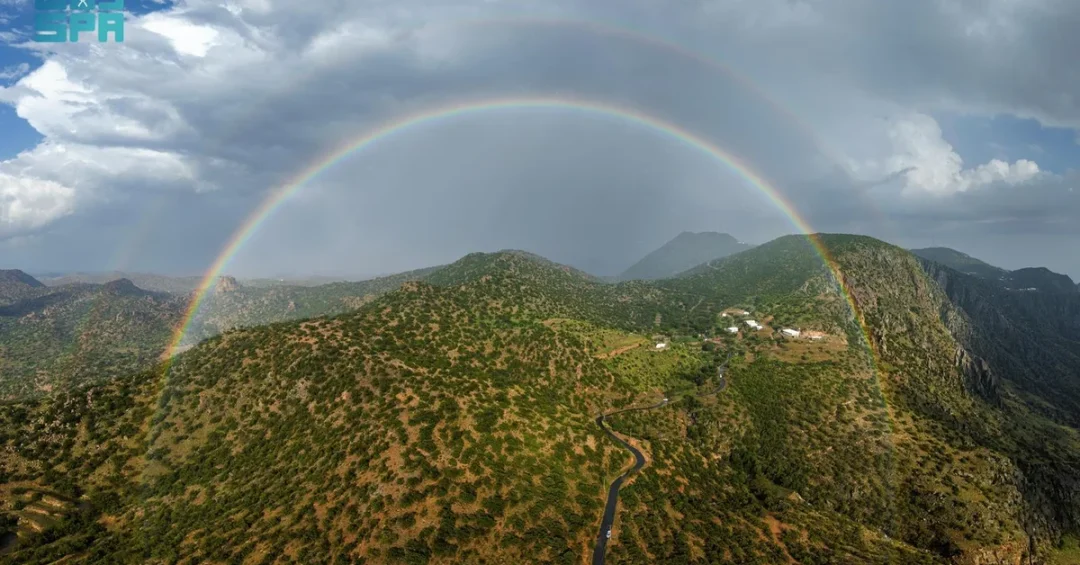
The juniper tree, known as the “Lady of Trees” and a symbol of Saudi Arabia’s lush mountainous landscapes, plays a critical role in maintaining the ecological balance of the Sarawat Mountains, according to information released by the Saudi Press Agency (SPA). These ancient evergreens, thriving across regions including Taif, Al-Baha, and Aseer, serve as vital sanctuaries for wildlife and are being actively preserved by the Kingdom’s National Center for Vegetation Cover Development and Combating Desertification (NCVC).
Context and Background
The juniper forests of the Sarawat Mountains are among the oldest living organisms in the Arabian Peninsula, having stood for centuries as natural sentinels. Their preservation is a key component of Saudi Arabia’s Vision 2030 environmental goals, particularly under the Saudi Green Initiative (SGI), which aims to plant 10 billion trees across the Kingdom. The NCVC, a relatively new entity established to combat desertification and rehabilitate degraded vegetation, has prioritized the restoration of these ecosystems, which face threats from human activity and climate change.
Key Details from Official Sources
Dr. Ahmed Al-Ghamdi, Director General of Research and Innovation at the NCVC, highlighted the significant degradation affecting juniper environments in the Kingdom’s southwestern highlands. He stated, “Despite being a new entity, the National Center for Vegetation Cover Development and Combating Desertification is actively involved in rehabilitation efforts.” He added that the center aims to address the causes of degradation and expand forest coverage with juniper trees, aligning with the SGI’s ambitious planting target. Dr. Saleh Al-Shaeel, a botany enthusiast, noted that these trees nurture rich biodiversity and have a significant influence on the local climate.
Threats and Conservation Efforts
The primary threats to juniper forests include illegal logging, overgrazing, and climatic factors leading to dieback in many areas. The NCVC is implementing continuous guidance and awareness programs, particularly in tourist destinations like Al-Hada and Al-Shafa villages in the Makkah region. The center’s work is crucial for preventing harmful practices and ensuring the long-term survival of these iconic trees, which are deeply rooted in the cultural and natural heritage of the Kingdom.
Vision 2030 Alignment
The protection and expansion of juniper forests directly support Saudi Arabia’s Vision 2030, which prioritizes environmental sustainability and a green future. By rehabilitating these natural treasures, the Kingdom is not only preserving its unique biodiversity but also enhancing the quality of life for its citizens and visitors, contributing to a more resilient and sustainable ecosystem for generations to come.
20 Questions
Q1. What is the juniper tree commonly known as in Saudi Arabia?
A1. The juniper tree is commonly known as the “Lady of Trees,” a title that reflects its revered status and ecological importance in the Kingdom’s mountainous regions.
Q2. Where are the Sarawat Mountains located?
A2. The Sarawat Mountains run parallel to the western coast of the Arabian Peninsula, passing through regions of Saudi Arabia including Taif, Al-Baha, and Aseer.
Q3. What is the role of the National Center for Vegetation Cover Development and Combating Desertification?
A3. The NCVC is responsible for rehabilitating degraded vegetation, preventing desertification, and preserving natural resources like the juniper forests across the Kingdom of Saudi Arabia.
Q4. How do juniper trees support wildlife?
A4. Juniper trees provide essential shelter and habitat for a variety of wildlife species, acting as a refuge that maintains biodiversity in the highlands.
Q5. What is the Saudi Green Initiative’s tree planting goal?
A5. The Saudi Green Initiative aims to plant 10 billion trees across the Kingdom, contributing to reforestation, combating desertification, and reducing carbon emissions.
Q6. Who is Dr. Ahmed Al-Ghamdi?
A6. Dr. Ahmed Al-Ghamdi is the Director General of Research and Innovation at the National Center for Vegetation Cover Development and Combating Desertification.
Q7. What causes juniper dieback in the Sarawat Mountains?
A7. Juniper dieback is caused by a combination of human activities, such as illegal logging and overgrazing, and climatic factors like drought and rising temperatures.
Q8. What are Al-Hada and Al-Shafa villages known for?
A8. Al-Hada and Al-Shafa, located near Taif in the Makkah region, are popular tourist destinations known for their scenic mountain landscapes and juniper forests.
Q9. How does the NCVC engage with tourists in juniper areas?
A9. The NCVC provides continuous guidance and awareness programs for tourists, educating them on preventing harmful practices that damage the fragile juniper ecosystems.
Q10. What is the significance of juniper trees to the local climate?
A10. Juniper trees help regulate the local climate by capturing moisture, reducing soil erosion, and maintaining a more stable microclimate in the Sarawat Mountains.
Q11. Is the NCVC a new organization?
A11. Yes, the National Center for Vegetation Cover Development and Combating Desertification is a relatively new entity established to address environmental challenges in Saudi Arabia.
Q12. What regions in Saudi Arabia have major juniper forests?
A12. Major juniper forests are found in the Taif, Al-Baha, and Aseer regions, all located in the southwestern highlands of Saudi Arabia.
Q13. How do juniper trees embody resilience?
A13. Junipers are steadfast evergreens that have adapted to thrive in harsh, mountainous environments, demonstrating resilience against challenging climatic conditions over centuries.
Q14. What is the “dieback” phenomenon in junipers?
A14. Dieback is the gradual death of tree branches and foliage, often starting from the top. In junipers, it is a visible sign of environmental stress and degradation.
Q15. How does Vision 2030 relate to juniper conservation?
A15. Vision 2030 emphasizes environmental sustainability, and conserving junipers aligns with its goals of protecting natural heritage and enhancing the quality of life.
Q16. Who is Dr. Saleh Al-Shaeel?
A16. Dr. Saleh Al-Shaeel is a botany enthusiast who has highlighted the natural beauty, biodiversity, and climate influence of juniper trees in the Sarawat Mountains.
Q17. What is the cultural significance of the juniper tree?
A17. The juniper is culturally revered as a symbol of the Kingdom’s lush forests and towering mountains, representing the natural heritage of the Arabian Peninsula.
Q18. How long do juniper trees typically live?
A18. Juniper trees are known for their longevity and can live for hundreds to over a thousand years, making them ancient sentinels of the landscape.
Q19. What activities threaten juniper forests?
A19. Threatening activities include illegal logging, overgrazing by livestock, urban expansion, and unmanaged tourism, all of which contribute to habitat degradation.
Q20. Can degraded juniper ecosystems be restored?
A20. Yes, the NCVC is actively working on rehabilitation efforts through reforestation, addressing the root causes of degradation, and expanding forest coverage with juniper trees.
Reader Feedback
We value your thoughts. Please share your feedback on this article.
Your feedback helps us improve our coverage.