


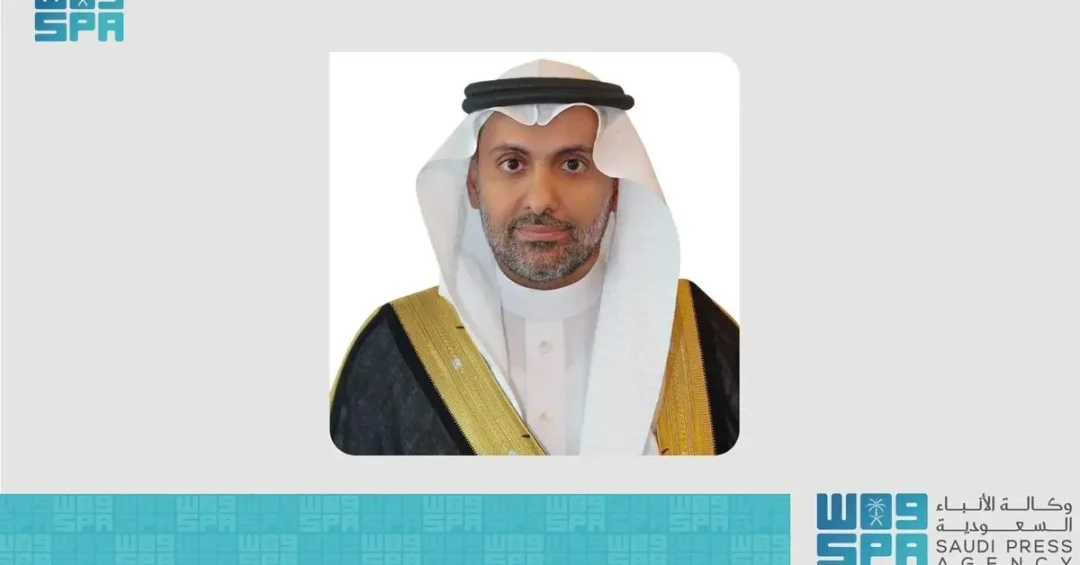
Health Minister and Chairman of the Health Sector Transformation Program Committee, Fahd Al-Jalajel, affirmed that the Health Sector Transformation Program is both driven by and serves as a cornerstone of Saudi Arabia’s Vision 2030. This statement followed the recognition of the program’s 2023 achievements by the Custodian of the Two Holy Mosques King Salman bin Abdulaziz Al Saud and His Royal Highness Prince Mohammed bin Salman bin Abdulaziz, Crown Prince and Prime Minister, during a recent Cabinet session. The leadership’s commendation highlights the sector’s progress in delivering top-tier health services aligned with national directives.
Context and Background
The Health Sector Transformation Program, a key initiative under Saudi Vision 2030, aims to restructure the Kingdom’s healthcare system to be more comprehensive, efficient, and patient-centered. The program’s 2023 achievements report, which prompted the Cabinet’s praise, details significant milestones such as the establishment of the Saudi National Institute of Health and the successful implementation of various transformational stages, notably the launch of health clusters across the Kingdom. These steps are part of a broader strategy to enhance the quality of life for citizens and residents by improving health outcomes.
Key Details
Minister Al-Jalajel emphasized that the program’s success is rooted in comprehensive efforts to improve community health and foster integration across related sectors. Robust preventive health measures have also played a crucial role. Progress in digital health services has been particularly notable, including the NPHIES platform for health and insurance services, launched by the Cooperative Health Insurance Council, and the expansion of virtual health services. These advancements have directly contributed to improved health indicators, with the average life expectancy in the Kingdom rising to 77.6 years.
Implications and Impact
The advancements in Saudi Arabia’s health sector have significant regional and international implications. The establishment of the Saudi National Institute of Health positions the Kingdom as a hub for health research and expertise. The digital health infrastructure, including the NPHIES platform, sets a benchmark for efficient healthcare administration and insurance management. These developments not only enhance the well-being of Saudi citizens but also strengthen the Kingdom’s reputation as a leader in healthcare innovation and quality, aligning with its growing global role in health diplomacy.
Vision 2030 Alignment
The Health Sector Transformation Program directly supports Vision 2030’s goal of creating a vibrant society with a high quality of life. By focusing on preventive care, digitalization, and integrated health networks, the program is building a sustainable healthcare system that can meet future challenges. The increase in life expectancy and the leadership’s endorsement of the program’s achievements underscore the commitment to long-term health sector reforms. As Saudi Arabia continues to implement these changes, the health sector is set to play a central role in realizing the Kingdom’s ambitions for a healthier, more prosperous nation.
20 Questions
Q1. What is the Health Sector Transformation Program?
A1. It is a key initiative under Saudi Vision 2030 aimed at restructuring the Kingdom’s healthcare system to be more comprehensive, efficient, and patient-centered, improving health outcomes for all.
Q2. Who is Fahd Al-Jalajel?
A2. Fahd Al-Jalajel is the Saudi Health Minister and Chairman of the Health Sector Transformation Program Committee, leading the nation’s healthcare reforms under Vision 2030.
Q3. Why did the Saudi Cabinet praise the Health Sector Transformation Program?
A3. The Cabinet, led by King Salman and the Crown Prince, praised the program following a report on its 2023 achievements, which showed significant progress in improving health services and outcomes.
Q4. What is the Saudi National Institute of Health?
A4. It is a recently established institution under the Health Sector Transformation Program, designed to advance health research, expertise, and public health initiatives in the Kingdom.
Q5. What are health clusters in Saudi Arabia?
A5. Health clusters are integrated networks of healthcare facilities launched across the Kingdom as part of the transformation program to improve coordination and delivery of health services.
Q6. How has digital health progressed in Saudi Arabia?
A6. Digital health has advanced through platforms like NPHIES for health insurance services and expanded virtual health services, improving efficiency and access to care.
Q7. What is the NPHIES platform?
A7. NPHIES is a national platform for health and insurance services launched by the Cooperative Health Insurance Council, streamlining claims and administrative processes.
Q8. What is the average life expectancy in Saudi Arabia now?
A8. The average life expectancy in the Kingdom has risen to 77.6 years, reflecting improved health indicators due to healthcare reforms.
Q9. How does the program align with Vision 2030?
A9. The program supports Vision 2030’s goal of a vibrant society by focusing on preventive care, digitalization, and integrated health networks to enhance quality of life.
Q10. What role does the Health Minister play in this program?
A10. As Chairman of the Program Committee, the Health Minister oversees the implementation of reforms and ensures alignment with Vision 2030 objectives.
Q11. Why is preventive health important in the transformation?
A11. Preventive health measures help reduce disease burden, improve community health, and contribute to a healthier nation, as highlighted by Minister Al-Jalajel.
Q12. Has the program improved health services for residents?
A12. Yes, the program aims to provide top-tier health services for all citizens and residents, with improvements in quality, accessibility, and efficiency.
Q13. What is the response of Saudi leadership to the program’s achievements?
A13. The Custodian of the Two Holy Mosques and the Crown Prince commended the program during a Cabinet session, showing strong leadership support for healthcare reforms.
Q14. How does the program integrate different health sectors?
A14. The program encourages integration across health-related sectors, creating a wider network to coordinate efforts and improve overall health outcomes.
Q15. What is the significance of the rise in life expectancy?
A15. The rise to 77.6 years indicates successful health interventions and a healthier population, reflecting the program’s positive impact on public health.
Q16. Are virtual health services part of the program?
A16. Yes, expanded virtual health services are a key component, improving access to medical consultations and reducing the need for in-person visits.
Q17. What is the Cooperative Health Insurance Council?
A17. It is the body that launched the NPHIES platform, overseeing health insurance services and ensuring efficient administration of coverage in the Kingdom.
Q18. How does the program contribute to Saudi Arabia’s global role?
A18. By establishing institutions like the National Institute of Health and digital platforms, the Kingdom positions itself as a leader in healthcare innovation and health diplomacy.
Q19. What are the future goals of the Health Sector Transformation Program?
A19. The program continues to focus on restructuring healthcare, expanding digital services, and improving health indicators to meet Vision 2030’s long-term objectives.
Q20. How can the public benefit from these health reforms?
A20. The public benefits from better quality of care, increased life expectancy, efficient health insurance processes, and improved access to virtual and in-person health services.
Reader Feedback
We value your thoughts. Please share your feedback on this article.
Your feedback helps us improve our coverage.