


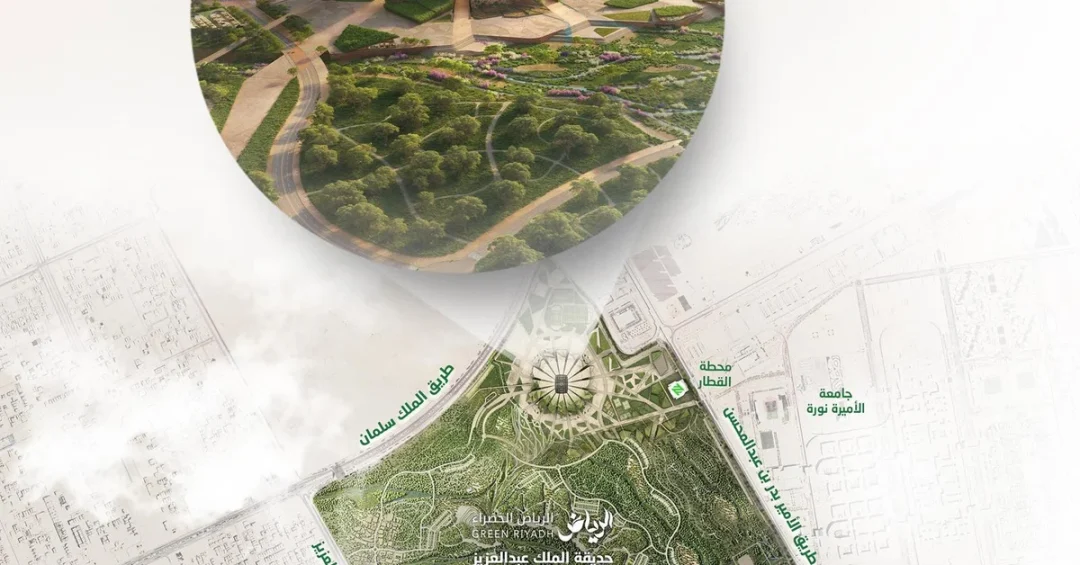
The Royal Commission for Riyadh City and the Ministry of Sport have officially unveiled the designs and plans for the King Salman Stadium, a 92,000-seat arena set to become one of the world’s largest sports venues. Scheduled for completion in the fourth quarter of 2029, the stadium will serve as the primary headquarters for the Saudi national football team and host major sporting events, reinforcing the Kingdom’s ambition to become a leading global sports hub.
Context and Background
Announced via the Saudi Press Agency (SPA), the stadium is part of a broader national strategy to modernize infrastructure and elevate Saudi Arabia’s status in international sports. Situated in northern Riyadh along King Salman Road, adjacent to King Abdulaziz Park, the venue is strategically located near King Khalid International Airport, the Riyadh Metro, and major roadways, ensuring accessibility from all parts of the city. The project reflects the support of the Custodian of the Two Holy Mosques, King Salman bin Abdulaziz Al Saud, and His Royal Highness Prince Mohammed bin Salman bin Abdulaziz Al Saud, the Crown Prince and Prime Minister.
Key Details and Design
Covering over 660,000 square meters, the complex includes a main stadium with 92,000 seats, a 150-seat royal suite, 120 hospitality suites, 300 VIP seats, and 2,200 dignitary seats. The design, selected from proposals by six international companies, draws inspiration from the mountainous landscape and integrates seamlessly with King Abdulaziz Park through a valley that intersects the surrounding gardens. Sustainable features include green walls and ceilings spanning 96,500 square meters, along with eco-friendly cooling systems for the audience seats and stadium floor, aligning with environmental sustainability and green building standards. Additional amenities include two training fields, fan zones, a closed sports hall, an Olympic-sized swimming pool, an athletics track, and outdoor courts for volleyball, basketball, and padel tennis—all connected by a 9-kilometer sports track encircling the park.
Implications and Impact
The stadium’s development is expected to enhance Riyadh’s global ranking as one of the best cities to live in, attract international visitors, and stimulate the local economy through diverse investment opportunities. By hosting major global entertainment events and providing state-of-the-art sporting facilities, the King Salman Stadium will bolster Saudi Arabia’s position as a premier destination for sports and leisure. The project also aims to empower athletes, improve performance standards, and cultivate a generation of athletic individuals capable of competing regionally and globally.
20 Questions
Q1. What is the seating capacity of the King Salman Stadium?
A1. The main stadium will have a seating capacity of 92,000, making it one of the largest sports arenas in the world.
Q2. Where is the King Salman Stadium located?
A2. It is situated in northern Riyadh along King Salman Road, next to King Abdulaziz Park, near King Khalid International Airport and the Riyadh Metro.
Q3. Who announced the design of the King Salman Stadium?
A3. The Royal Commission for Riyadh City and the Ministry of Sport made the announcement via the Saudi Press Agency.
Q4. When is the completion date for the King Salman Stadium?
A4. The stadium is scheduled for completion in the fourth quarter of 2029.
Q5. What is the primary purpose of the King Salman Stadium?
A5. It will serve as the main headquarters for the Saudi national football team and host major sporting events and activities.
Q6. How large is the entire King Salman Stadium complex?
A6. The complex covers over 660,000 square meters, including the main stadium and surrounding sports facilities.
Q7. What sustainable features are included in the stadium design?
A7. The design includes green walls and ceilings covering 96,500 square meters and sustainable cooling systems for seats and the stadium floor.
Q8. How many companies submitted proposals for the stadium design?
A8. Six specialized international companies submitted proposals, and the chosen design was inspired by the mountainous landscape.
Q9. What is the seating capacity for dignitaries and VIPs?
A9. The stadium includes 2,200 dignitary seats, 300 VIP seats, and a 150-seat royal suite.
Q10. What types of sports facilities are included in the complex?
A10. Facilities include two training fields, a closed sports hall, an Olympic-sized swimming pool, an athletics track, and courts for volleyball, basketball, and padel tennis.
Q11. How does the King Salman Stadium connect to King Abdulaziz Park?
A11. The design integrates with the park through a valley that intersects the surrounding stadium garden and green spaces, with a 9-kilometer sports track encircling the park.
Q12. What is the role of the stadium in Saudi Vision 2030?
A12. It supports Vision 2030’s sports objectives by providing infrastructure to develop athletic talent and hosting global events to boost the economy.
Q13. How many hospitality suites are available in the stadium?
A13. There are 120 hospitality suites available for premium guests.
Q14. What entertainment features are planned for spectators?
A14. The stadium includes extended indoor screens, indoor gardens, and a walking track with a scenic view of King Abdulaziz Park.
Q15. How will the stadium improve Riyadh’s global ranking?
A15. By hosting major international events and enhancing quality of life, the stadium aims to elevate Riyadh’s status as one of the best cities to live in worldwide.
Q16. What transportation links facilitate access to the stadium?
A16. The stadium is near King Khalid International Airport, a Riyadh Metro station, and major roadways for easy access from all parts of the city.
Q17. What is the inspiration behind the stadium’s architectural design?
A17. The design draws inspiration from the mountainous landscape and local urban structures, reflecting environmental sustainability.
Q18. What investment opportunities does the stadium offer?
A18. The stadium’s sporting and commercial facilities provide diverse investment opportunities, contributing to the local economy.
Q19. How will the stadium support Saudi athletes?
A19. It aims to empower athletes by providing world-class training facilities and a venue to enhance performance and compete globally.
Q20. What is the significance of the stadium’s name?
A20. The stadium is named after the Custodian of the Two Holy Mosques, King Salman bin Abdulaziz Al Saud, in recognition of his support for sports development.
Vision 2030 Alignment
The King Salman Stadium represents a cornerstone of Saudi Arabia’s Vision 2030, directly advancing the Kingdom’s objectives to foster a healthy society, diversify the economy, and enhance global standing. By providing world-class infrastructure for sports and entertainment, the stadium will stimulate investment, create jobs, and position Riyadh as a leading destination for international events. This project underscores the leadership’s commitment to empowering athletes and building a vibrant society, contributing to a prosperous future aligned with the national vision.
Reader Feedback
We value your thoughts. Please share your feedback on this article.
Your feedback helps us improve our coverage.