


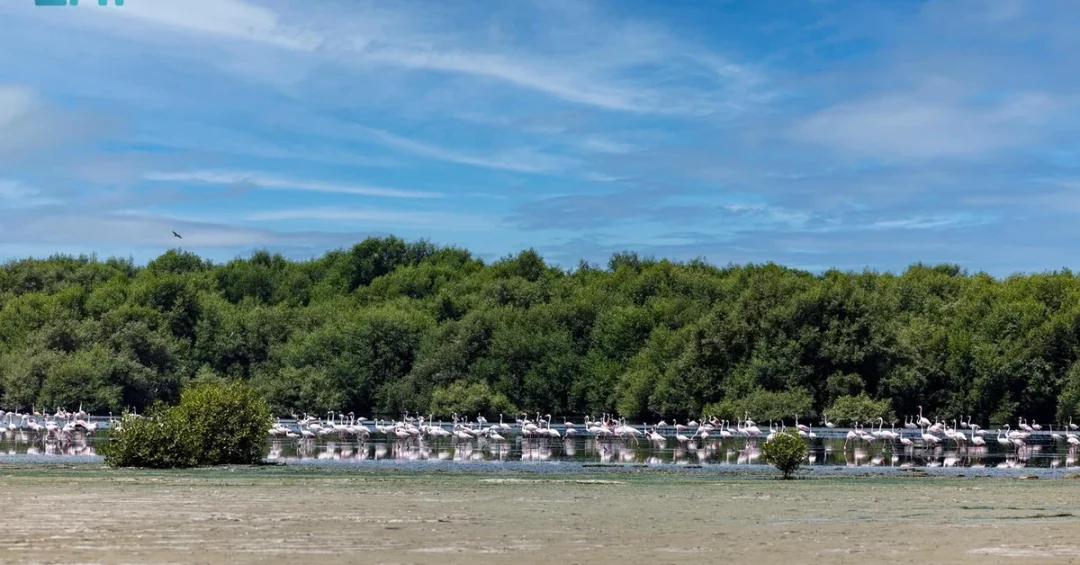
The Kingdom of Saudi Arabia is intensifying efforts to protect and restore mangrove forests, a critical yet rare ecosystem that covers only 0.5% of global coastal areas but plays an outsized role in climate mitigation and biodiversity. Recognizing the urgent need to safeguard these natural treasures from threats such as pollution and urban expansion, Saudi authorities are implementing large-scale rehabilitation projects along the Red Sea and Arabian Gulf coasts, in alignment with the goals of the Saudi Green Initiative and Vision 2030.
Context and Background
Mangrove forests are among the most valuable ecosystems on Earth, providing essential services including coastal protection from erosion, water purification, and carbon storage. Their intricate root systems, weaving above and below the water, create a unique habitat that sustains diverse wildlife, from birds and fish to the offspring of many marine species. Despite their importance, mangroves face significant threats globally from human activities such as construction, manufacturing, shrimp farming, and urban expansion.
The Saudi Ministry of Environment, Water and Agriculture and the National Centre for Vegetation Cover Development and Combating Desertification (NCVC) have taken a leading role in addressing these challenges. Their initiatives are part of a broader national strategy to rehabilitate degraded sites and expand green cover, contributing directly to the Kingdom’s environmental goals under Vision 2030.
Key Details
The NCVC is currently planting 13 million mangrove trees along the Kingdom’s coasts as part of a national target to plant 100 million trees by 2030. This effort involves collaboration with public, private, and non-profit partners to ensure effective restoration. The Ministry and NCVC also conduct scientific research to address the unique challenges of mangrove restoration in harsh environments, developing methods that can be shared regionally and internationally.
Beyond planting, the NCVC works to raise awareness among local communities about the significance of mangroves, educating citizens on preservation methods. The annual observance of the International Day for the Conservation of the Mangrove Ecosystem on July 26 serves as a global reminder of the need for sustainable management and conservation solutions, a cause championed by Saudi Arabia.
Implications and Impact
The rehabilitation of mangrove trees requires coordinated efforts from governments, non-governmental organizations, and local communities. Saudi Arabia’s integrated approach—combining legal policies for forest protection, scientific research, and funding allocation—provides a model for regional and global conservation. By restoring these ecosystems, the Kingdom enhances marine life cycles, supports fish populations, and sustains local communities that rely on fishing and ecotourism, including activities like kayaking through mangrove forests.
These efforts also contribute to combating climate change by storing significant amounts of carbon, further positioning Saudi Arabia as a leader in environmental stewardship in the Middle East and beyond.
Vision 2030 Alignment
Saudi Arabia’s mangrove conservation initiatives are a direct reflection of the Vision 2030 commitment to environmental sustainability and economic diversification. By protecting and expanding these vital ecosystems, the Kingdom not only preserves its natural heritage but also creates new opportunities for ecotourism, local livelihoods, and scientific leadership. As the world faces increasing environmental challenges, Saudi Arabia’s proactive steps in mangrove restoration underscore its dedication to a greener, more sustainable future for both the Kingdom and the global community.
20 Questions
Q1. What percentage of global coastal areas do mangrove trees cover?
A1. Mangrove trees cover only 0.5% of global coastal areas, making them a rare but ecologically vital ecosystem that requires urgent protection and restoration.
Q2. Why are mangrove forests important for climate change mitigation?
A2. Mangroves store large amounts of carbon, helping to reduce greenhouse gas levels in the atmosphere and mitigate the effects of climate change.
Q3. What is one key function of mangrove roots?
A3. Mangrove roots protect beaches from erosion by stabilizing sediment, while also purifying water from pollutants and providing habitat for marine life.
Q4. How do mangroves support biodiversity?
A4. Mangroves provide a habitat for birds, fish, and the offspring of many marine species, enhancing the marine life cycle and sustaining fish populations.
Q5. What economic benefits do mangrove forests provide?
A5. Mangroves support local communities through fishing and crustacean collection, and they attract tourists for activities like kayaking, boosting ecotourism.
Q6. What are the main human threats to mangrove trees?
A6. Threats include pollution from construction and manufacturing, shrimp farming, and urban expansion, which have led to the destruction and decline of mangroves.
Q7. Which Saudi government bodies are leading mangrove conservation?
A7. The Saudi Ministry of Environment, Water and Agriculture and the National Centre for Vegetation Cover Development and Combating Desertification (NCVC) lead conservation efforts.
Q8. How many mangrove trees is NCVC currently planting?
A8. NCVC is currently planting 13 million mangrove trees along the Kingdom’s coasts as part of a larger national initiative.
Q9. What is the national target for tree planting in Saudi Arabia by 2030?
A9. The national target is to plant 100 million trees by 2030, including mangroves, under the Saudi Green Initiative aligned with Vision 2030.
Q10. How does Saudi Arabia address challenges of mangrove restoration in harsh environments?
A10. The Kingdom conducts scientific research to develop effective restoration methods for mangrove growth in harsh environmental conditions.
Q11. What role do local communities play in mangrove preservation?
A11. Local communities are educated on preservation methods and participate in restoration projects, raising awareness about the importance of mangroves.
Q12. How do mangroves contribute to water quality improvement?
A12. Mangroves filter pollutants from water through their root systems, helping to purify water and maintain healthy coastal ecosystems.
Q13. What international day is observed for mangrove conservation?
A13. The International Day for the Conservation of the Mangrove Ecosystem is observed annually on July 26 to promote sustainable management and conservation.
Q14. How do mangroves support marine life cycles?
A14. Mangroves provide secure refuge for the offspring of many marine species, supporting marine life cycles and contributing to sustainable fish populations.
Q15. What types of partnerships does NCVC use for mangrove projects?
A15. NCVC collaborates with public, private, and non-profit partners to implement multiple development projects along the Kingdom’s coasts.
Q16. How do mangrove forests help prevent coastal erosion?
A16. The dense root systems of mangroves bind sediment and reduce wave energy, effectively preventing coastal erosion and protecting shorelines.
Q17. What is the significance of mangrove roots above and below water?
A17. The intricate interweaving of roots above and below water creates a unique habitat and gives mangroves a charming appearance that reflects nature’s beauty.
Q18. How does mangrove conservation align with Vision 2030?
A18. Conservation efforts support Vision 2030 by promoting environmental sustainability, diversifying the economy through ecotourism, and enhancing local livelihoods.
Q19. What legal measures are involved in mangrove rehabilitation?
A19. Rehabilitation involves establishing legal policies for forest protection, advancing scientific research, and allocating funding for project implementation.
Q20. How can global cooperation help mangrove conservation?
A20. Global cooperation among governments, NGOs, and local communities is essential to share knowledge, fund projects, and achieve substantial progress in conserving mangrove forests.
Reader Feedback
We value your thoughts. Please share your feedback on this article.
Your feedback helps us improve our coverage.