


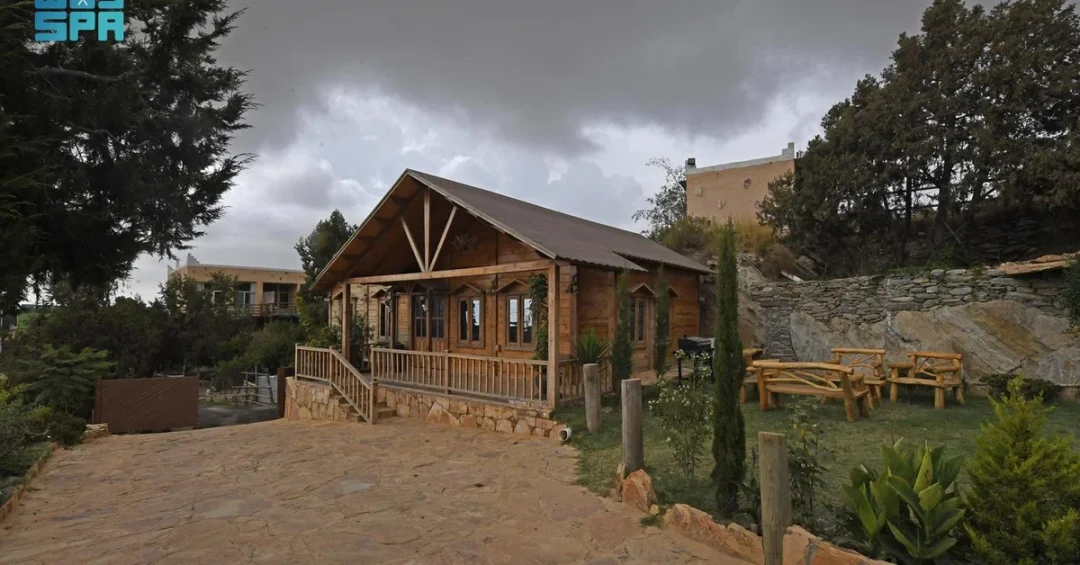
The Saudi Press Agency reported that cabins in the Aseer region are attracting visitors seeking serene retreats. These accommodations, ranging from traditional wooden structures to modern glass designs, offer panoramic views of the region’s picturesque landscapes and benefit from a year-round pleasant climate. The report highlights a growing interest in nature-based tourism within the Kingdom.
Context and Background
Aseer, located in southwestern Saudi Arabia, is known for its mountainous terrain, cooler temperatures, and rich cultural heritage. The development of cabin accommodations aligns with the Kingdom’s Vision 2030 goals to diversify tourism offerings and promote domestic travel. The region has become a favored destination for those looking to escape urban life and reconnect with nature, supported by infrastructure improvements and tourism initiatives.
Key Details
The cabins cater to a variety of tastes and budgets, with options including wooden cabins that offer a rustic feel and glass cabins that provide immersive views without sacrificing comfort. Tour guide Suleiman Al-Maliki explained that these cabins offer an opportunity for visitors and tourists to leave behind daily pressures and engage in outdoor activities such as hiking and barbecuing. Guests can also immerse themselves in local culture and traditions, and enjoy meals prepared by local chefs, showcasing the region’s culinary heritage.
Implications and Impact
The popularity of Aseer’s cabins reflects a broader trend in Saudi Arabia toward eco-tourism and sustainable travel. By attracting both domestic and international visitors, these accommodations support the local economy and create jobs. The focus on nature-based experiences also helps preserve Aseer’s unique environment and cultural traditions, positioning the region as a key player in the Kingdom’s tourism sector. This development contributes to a more diversified economy and enhances Saudi Arabia’s image as a welcoming destination.
Vision 2030 Alignment
The Aseer cabin initiative demonstrates the Kingdom’s commitment to Vision 2030 by expanding tourism infrastructure and promoting regional development. As Saudi Arabia continues to open its doors to the world, projects like these underscore a dedication to sustainable growth, cultural preservation, and economic diversification. The serene retreats in Aseer not only offer visitors a peaceful escape but also serve as a model for future tourism ventures that align with the nation’s long-term aspirations.
20 Questions
Q1. What is the Aseer region known for?
A1. The Aseer region is known for its mountainous terrain, cooler temperatures, and rich cultural heritage, making it a popular destination for nature-based tourism in Saudi Arabia.
Q2. Who reported on the Aseer cabins?
A2. The Saudi Press Agency (SPA) reported on the Aseer cabins, highlighting their appeal as a serene retreat for visitors.
Q3. What types of cabins are available in Aseer?
A3. The cabins range from charming wooden cabins to modern glass structures, catering to various tastes and budgets.
Q4. What views do the cabins offer?
A4. The cabins offer panoramic views of the surrounding landscape, allowing visitors to immerse themselves in the beauty of Aseer from their accommodation.
Q5. What did tour guide Suleiman Al-Maliki say about the cabins?
A5. Al-Maliki said the cabins provide an opportunity to escape daily pressures and connect with nature through outdoor activities and local culture.
Q6. What outdoor activities can visitors enjoy?
A6. Visitors can participate in activities such as hiking and barbecuing while staying in the Aseer cabins.
Q7. How do the cabins support local culture?
A7. Guests can immerse themselves in local traditions and enjoy meals from local chefs, exploring the region’s culinary heritage.
Q8. What is the climate like in Aseer?
A8. Aseer enjoys a year-round pleasant climate, with cooler temperatures due to its mountainous location.
Q9. How do the cabins align with Vision 2030?
A9. The cabins align with Vision 2030 by expanding tourism infrastructure and promoting sustainable domestic travel.
Q10. What is the main appeal of the Aseer cabins?
A10. The main appeal is the serene retreat they offer, combining comfort with nature in the picturesque Aseer landscape.
Q11. Are the cabins suitable for different budgets?
A11. Yes, the cabins cater to various budgets, with options from rustic wooden cabins to more luxurious glass structures.
Q12. How do the cabins contribute to the local economy?
A12. They attract visitors, support local businesses like chefs and guides, and create jobs in the tourism sector.
Q13. What makes Aseer different from other Saudi regions?
A13. Aseer’s mountainous terrain and cooler climate offer a distinct environment for nature-focused tourism compared to other regions.
Q14. Can visitors experience local traditions?
A14. Yes, guests can immerse themselves in local culture and traditions as part of their stay at the cabins.
Q15. Is the Aseer region accessible to international tourists?
A15. Yes, with improved infrastructure and Saudi Arabia’s open tourism policy, international tourists can visit Aseer.
Q16. What type of tourism do the cabins promote?
A16. The cabins promote eco-tourism and sustainable travel, focusing on nature and cultural experiences.
Q17. Who can benefit from a stay at these cabins?
A17. Visitors seeking a peaceful escape from daily life, nature lovers, and those interested in cultural exploration can benefit.
Q18. Are there dining options at the cabins?
A18. Yes, guests can enjoy meals from local chefs, offering a taste of the region’s culinary heritage.
Q19. How does the cabin initiative support Vision 2030?
A19. It diversifies tourism offerings, promotes regional development, and encourages sustainable economic growth.
Q20. What future tourism trends do the cabins represent?
A20. They represent a shift toward nature-based, sustainable tourism that preserves cultural identity and boosts local economies.
Reader Feedback
We value your thoughts. Please share your feedback on this article.
Your feedback helps us improve our coverage.