


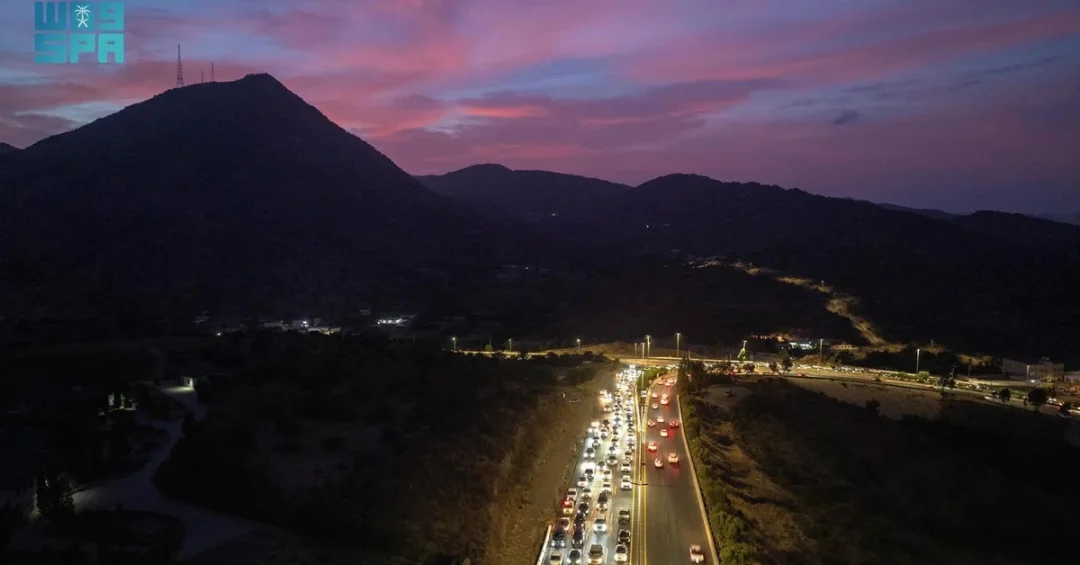
Ash Shafa village in the Taif Governorate has emerged as a premier tourism destination, drawing visitors year-round with its breathtaking mountainous landscapes, natural springs, and cool rainy weather. According to the Saudi Press Agency (SPA), this highland community is experiencing significant economic development driven by tourism, which is becoming a cornerstone of the local economy.
Context and Background
Nestled in the Sarawat Mountains, Ash Shafa is renowned for its natural beauty and the warmth of its residents, who are known for their friendliness and generosity towards guests. The area’s altitude and climate provide a refreshing escape, especially during the hotter months, making it a popular destination for domestic and international tourists. Over the past decade, the village has undergone a remarkable transformation, witnessing major investments in tourism infrastructure.
Key Details
Tourism projects in Ash Shafa include environmentally friendly hotels, resorts, and housing complexes that offer visitors an authentic experience. These developments allow guests to learn about the region’s rich heritage and landmarks. The local economy is further supported by traditional industries such as sheep farming and trading, honey production, and the cultivation of the famous Taif rose for its oil. Locals informed SPA that the community’s authenticity, development of the product sector, and marketing of goods to visitors from the Gulf Cooperation Council (GCC) countries and beyond have solidified Ash Shafa’s status as a cultural tourism icon.
Implications and Impact
The rise of Ash Shafa as a tourism hub underscores the Kingdom of Saudi Arabia’s broader strategy to diversify its economy and promote regional attractions. By developing sustainable tourism in the Taif Governorate, the Kingdom is creating new economic opportunities for local communities. The enthusiasm of the younger generation, who are actively expressing their culture and traditions through tourism, ensures the long-term vitality of the sector. This growth also strengthens the region’s appeal to international travelers seeking unique cultural and natural experiences.
Vision 2030 Alignment
The development of Ash Shafa directly supports Saudi Vision 2030 by fostering sustainable tourism, preserving cultural heritage, and generating economic growth in the regions. This initiative exemplifies the Kingdom’s commitment to creating vibrant communities and diverse economic opportunities, positioning Saudi Arabia as a leading global tourism destination while ensuring that local populations benefit from and contribute to the nation’s ambitious transformation.
20 Questions
Q1. What is Ash Shafa?
A1. Ash Shafa is a village located in the Taif Governorate of Saudi Arabia, known for its stunning mountainous landscapes, springs, and cool rainy weather, making it a major tourist attraction.
Q2. Where is Ash Shafa located?
A2. Ash Shafa is situated in the Sarawat Mountains in the Taif Governorate, in the western region of the Kingdom of Saudi Arabia.
Q3. What makes Ash Shafa a popular tourist destination?
A3. Its breathtaking highlands, natural springs, and rainy weather attract visitors year-round, offering a refreshing escape and opportunities to explore heritage and natural landmarks.
Q4. How has tourism developed in Ash Shafa over the last decade?
A4. In the last 10 years, Ash Shafa has witnessed major economic and tourism development, including the construction of hotels, resorts, and housing complexes that are environment friendly.
Q5. What types of tourism projects exist in Ash Shafa?
A5. The area features hotels, resorts, and housing complexes designed to be environmentally sustainable, giving visitors a chance to learn about local heritage and landmarks.
Q6. What traditional products are associated with Ash Shafa?
A6. Locals engage in sheep farming and trading, honey production, and the cultivation of the famous Taif rose for its oil, which are marketed to visitors.
Q7. How do locals describe the community in Ash Shafa?
A7. Residents are known for their friendliness, generosity, and warmth toward visitors, influenced by the natural environment of the Sarawat Mountains.
Q8. What does tourism development mean for the local economy?
A8. The community earns a sustainable living from tourism, with economic benefits from projects and the sale of local products supporting livelihoods.
Q9. How are younger generations involved in tourism?
A9. The new generation has worked with enthusiasm to express its culture and traditions through tourism, ensuring the sector’s vitality and cultural preservation.
Q10. What is Ash Shafa’s significance as a cultural icon?
A10. It has become a cultural tourism icon due to the community’s authenticity, product sector development, and marketing of goods to visitors from GCC countries and beyond.
Q11. Which countries do visitors to Ash Shafa come from?
A11. Visitors include tourists from the Gulf Cooperation Council (GCC) countries and other international destinations, attracted by the area’s unique culture and nature.
Q12. What role does the Taif Governorate play in this development?
A12. The Taif Governorate supports tourism as a key element of economic development, leveraging Ash Shafa’s natural assets to attract investment and visitors.
Q13. Why is Ash Shafa’s location important for tourism?
A13. Its location in the Sarawat Mountains offers a cooler climate and scenic views, making it an ideal retreat, especially during the summer months.
Q14. How does Ash Shafa align with Saudi Arabia’s tourism strategy?
A14. It supports the national strategy to diversify the economy by promoting regional tourism, creating jobs, and showcasing Saudi heritage and natural beauty.
Q15. What is the official source for information about Ash Shafa?
A15. The information is based on a report from the Saudi Press Agency (SPA), which detailed the area’s tourism development and economic impact.
Q16. Is Ash Shafa easily accessible for tourists?
A16. Yes, it is accessible via the Taif Governorate, which is well-connected by road and has infrastructure to support tourism, including accommodations and services.
Q17. What environmental considerations are taken in tourism projects?
A17. Projects are designed to be environment friendly, ensuring sustainable development that preserves the natural landscape and heritage of the area.
Q18. What can visitors learn about in Ash Shafa?
A18. Visitors have the opportunity to learn about the area’s heritage, landmarks, and local traditions, including farming and rose oil production.
Q19. How does seasonality affect tourism in Ash Shafa?
A19. The rainy weather and pleasant climate attract visitors throughout the year, though it is particularly popular during cooler seasons for its refreshing environment.
Q20. What is the future outlook for Ash Shafa’s tourism?
A20. With continued investment and community involvement, Ash Shafa is poised for further growth as a sustainable tourism destination, contributing to Vision 2030 goals.
Reader Feedback
We value your thoughts. Please share your feedback on this article.
Your feedback helps us improve our coverage.