


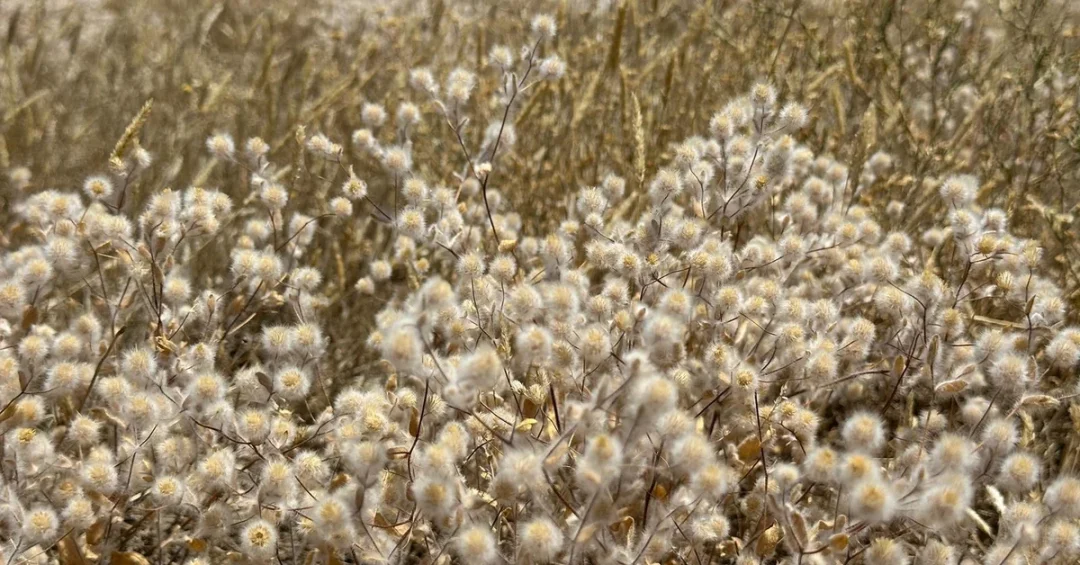
Bassia eriophora, a resilient desert plant known locally as Zamim Al-Barr, is thriving in the harsh environment of Saudi Arabia’s Imam Turki bin Abdullah Royal Reserve, according to the Saudi Press Agency. This enchanting herb, also called “cotton” for its distinctive white, woolly appearance, features delicate yellow flowers and a pleasant aroma, captivating visitors and researchers alike. Its ability to flourish in sandy soils highlights the remarkable resilience of native flora in the Kingdom’s arid landscapes.
Context and Background
The Imam Turki bin Abdullah Royal Reserve, established to preserve and restore Saudi Arabia’s unique ecosystems, has become a sanctuary for species like bassia eriophora. The plant, which can grow up to a meter tall, is often referred to as the “desert diamond” because its silvery leaves create a dazzling effect when struck by sunlight. Beyond its aesthetic appeal, the herb is noted for its potential medicinal properties, adding to its significance in the region’s natural heritage.
Key Details
The reserve itself has undergone a remarkable ecological transformation since its inception in 2018. Vegetation cover has surged from a mere 1.5% to an impressive 6.7%, a testament to successful conservation efforts. Three major desert afforestation projects completed in 2023 saw the planting of over 593,700 trees, contributing to a vibrant ecosystem that now supports 179 plant species. The flourishing of bassia eriophora is a key indicator of this ongoing green revival.
Implications and Impact
The revival of species like bassia eriophora underscores Saudi Arabia’s commitment to environmental sustainability and biodiversity, aligning with global conservation goals. This progress enhances the reserve’s role as a natural haven for eco-tourism and scientific research, demonstrating how targeted afforestation and protection initiatives can reverse ecological decline in desert regions.
Vision 2030 Alignment
The success of the Imam Turki bin Abdullah Royal Reserve directly supports Saudi Arabia’s Vision 2030 goals of environmental stewardship and sustainable development. By fostering biodiversity and expanding green cover, the Kingdom is building a more resilient natural landscape for future generations, reinforcing its position as a leader in ecological innovation and responsible resource management.
20 Questions
Q1. What is bassia eriophora?
A1. Bassia eriophora is a desert herb native to Saudi Arabia, known locally as Zamim Al-Barr. It features white, woolly leaves, yellow flowers, and a pleasant aroma, thriving in sandy soils.
Q2. Where is bassia eriophora flourishing?
A2. It is flourishing in the Imam Turki bin Abdullah Royal Reserve, a protected area in Saudi Arabia dedicated to ecological restoration and biodiversity conservation.
Q3. What does “Zamim Al-Barr” mean?
A3. “Zamim Al-Barr” is a local Arabic name for bassia eriophora, referring to its wild, desert origin. It is also commonly called “cotton” due to its woolly appearance.
Q4. Why is bassia eriophora called the “desert diamond”?
A4. Its silvery leaves create a dazzling, sparkling effect when sunlight hits them, earning it the nickname “desert diamond” for its aesthetic beauty.
Q5. What is the maximum height of bassia eriophora?
A5. The plant can grow up to one meter tall, making it a noticeable feature in the desert landscape despite its delicate structure.
Q6. Does bassia eriophora have any known uses?
A6. Beyond its ornamental value, the herb is noted for potential medicinal properties, though specific applications are still being studied by researchers.
Q7. When was the Imam Turki bin Abdullah Royal Reserve established?
A7. The reserve was established in 2018 as part of Saudi Arabia’s broader efforts to protect and restore natural habitats and wildlife.
Q8. How has vegetation cover changed in the reserve?
A8. Vegetation cover has increased dramatically from 1.5% in 2018 to 6.7% currently, driven by successful afforestation and conservation programs.
Q9. How many trees were planted in the reserve in 2023?
A9. Over 593,700 trees were planted in the reserve as part of three desert afforestation projects completed in 2023.
Q10. How many plant species are now found in the reserve?
A10. The reserve now hosts 179 different plant species, showcasing significant biodiversity growth and ecological recovery.
Q11. What makes bassia eriophora a resilient plant?
A11. Its ability to thrive in sandy, arid soils with minimal water demonstrates its adaptation to harsh desert conditions, making it a symbol of natural resilience.
Q12. How does the reserve’s transformation support Saudi Arabia’s environment?
A12. The green revival helps combat desertification, improve air quality, and create habitats for wildlife, aligning with national sustainability goals.
Q13. Who reported on the flourishing of bassia eriophora?
A13. The Saudi Press Agency (SPA) reported the story, highlighting official conservation achievements in the Kingdom.
Q14. Is the Imam Turki bin Abdullah Royal Reserve open to the public?
A14. Yes, the reserve is part of Saudi Arabia’s eco-tourism development, allowing visitors to experience restored natural landscapes while supporting conservation.
Q15. What type of plant is bassia eriophora classified as?
A15. It is an herbaceous plant belonging to the Amaranthaceae family, adapted to desert environments across parts of Asia and the Middle East.
Q16. Are there any conservation challenges in the reserve?
A16. Ongoing challenges include managing invasive species and ensuring sustainable water use, but the reserve’s afforestation projects are effectively addressing these issues.
Q17. How does the reserve’s work relate to Vision 2030?
A17. Vision 2030 emphasizes environmental sustainability; the reserve’s biodiversity revival directly contributes to this pillar by protecting natural resources and promoting green initiatives.
Q18. What is the “cotton” nickname based on?
A18. The nickname “cotton” comes from the plant’s soft, white, woolly hairs covering its stems and leaves, giving it a fluffy, cotton-like appearance.
Q19. Can bassia eriophora be grown outside Saudi Arabia?
A19. While it naturally thrives in similar arid climates, cultivation elsewhere would require fitting conditions; it is not widely grown as an ornamental plant internationally.
Q20. What does the reserve’s progress mean for future conservation?
A20. It demonstrates that targeted afforestation and protection can restore desert ecosystems, offering a model for other regions aiming to combat desertification and preserve biodiversity.
Reader Feedback
We value your thoughts. Please share your feedback on this article.
Your feedback helps us improve our coverage.