


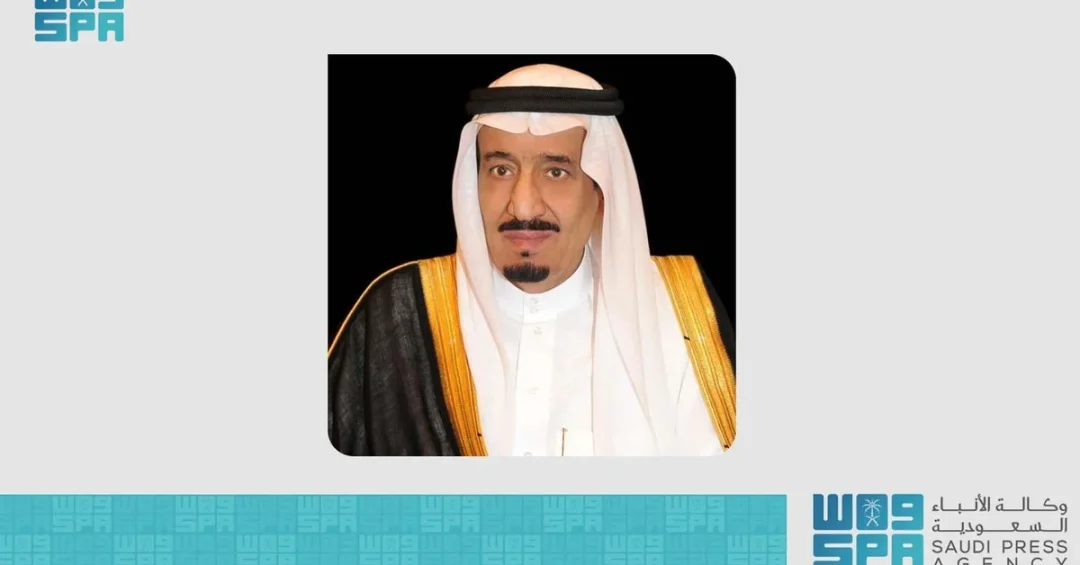
The Custodian of the Two Holy Mosques, King Salman bin Abdulaziz Al Saud, has directed the payment of expenses for sacrificial meat for 3,322 pilgrims hosted under the Custodian of the Two Holy Mosques’ Guests Program for Hajj. This directive, announced by the Saudi Ministry of Islamic Affairs, Dawah and Guidance, underscores the Kingdom’s longstanding commitment to facilitating a spiritually fulfilling pilgrimage experience for Muslims from around the world. The initiative covers the full cost of the sacrificial ritual, a key pillar of the Hajj, ensuring that the honored guests can complete their religious obligations with ease and dignity.
Context and Background
The Custodian of the Two Holy Mosques’ Guests Program is an annual tradition that invites select groups of pilgrims from various countries to perform Hajj as guests of the Kingdom of Saudi Arabia. The program is administered by the Ministry of Islamic Affairs, Dawah and Guidance, which coordinates all logistical and religious aspects of the pilgrimage for the invitees. This year, the program is hosting 3,322 pilgrims from over 100 nationalities, reflecting Saudi Arabia’s role as a unifying force in the Muslim world. The payment of sacrificial meat expenses is a longstanding practice that relieves the guests of a significant financial burden, allowing them to focus exclusively on worship and reflection.
Key Details of the Initiative
Under the King’s directive, the Ministry of Islamic Affairs, Dawah and Guidance will handle all arrangements for the sacrificial slaughter, including the procurement of healthy animals, the slaughter process in compliance with Islamic law, and the packaging and distribution of meat to the needy, both within Saudi Arabia and abroad. This comprehensive approach not only fulfills a religious duty for the pilgrims but also contributes to charitable causes, as the meat is distributed to underprivileged communities. The program underscores the Kingdom’s dedication to the values of compassion and solidarity, particularly during the sacred season of Hajj, which emphasizes equality and unity among believers.
Implications for Pilgrims and Global Community
For the selected pilgrims, many of whom come from countries with limited resources, this gesture removes a significant barrier to completing Hajj properly. The sacrificial ritual, known as Qurbani, is an obligatory act for pilgrims performing Tamattu’ or Qiran Hajj, and its cost can be prohibitive for many. By covering these expenses, Saudi Arabia ensures that all guests can perform the ritual without hardship, reinforcing the spirit of generosity that defines the pilgrimage. Beyond the immediate beneficiaries, the initiative strengthens ties between Saudi Arabia and the global Muslim community, showcasing the Kingdom’s leadership in serving Islam’s holiest sites and supporting the faithful worldwide.
Vision 2030 Alignment
This initiative aligns closely with the goals of Saudi Vision 2030, which emphasizes enhancing the quality of services provided to pilgrims and visitors to the Two Holy Mosques. The Vision’s objective to increase the capacity of Umrah and Hajj pilgrims underlines the Kingdom’s commitment to making the journey to Makkah and Madinah as accessible and rewarding as possible. Programs like the Custodian of the Two Holy Mosques’ Guests Program are a tangible expression of this commitment, combining religious devotion with modern logistical efficiency. As Saudi Arabia continues to develop its infrastructure and services for pilgrims under Vision 2030, initiatives such as this reinforce the Kingdom’s enduring role as a spiritual haven and a responsible global leader in Islamic affairs.
Reader Feedback
We value your thoughts. Please share your feedback on this article.
Your feedback helps us improve our coverage.