


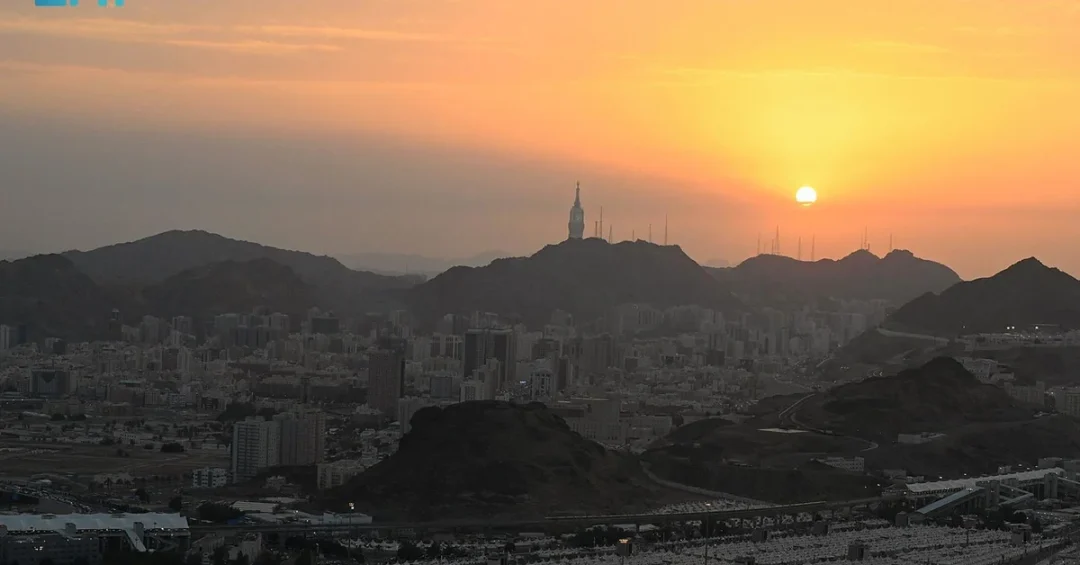
The Saudi Press Agency (SPA) has released striking photographic documentation of pilgrims performing the symbolic stoning ritual at Jamrat Al-Aqaba and engaging in worship at the Grand Mosque in Makkah, showcasing the Kingdom’s commitment to facilitating a smooth and spiritually fulfilling Hajj experience. The images capture the orderly flow of pilgrims as they complete one of the final rites of the pilgrimage, reflecting the extensive logistical and security preparations undertaken by Saudi authorities to ensure the safety and comfort of millions of visitors from around the world.
Context and Background
Hajj, the annual Islamic pilgrimage to Makkah, is one of the largest religious gatherings on the planet, requiring meticulous planning and coordination by the Kingdom of Saudi Arabia. The ritual of stoning the devil at the Jamarat Bridge outside Makkah is a key component of the pilgrimage, symbolizing the rejection of evil. In recent years, Saudi authorities have made significant investments in expanding and modernizing the Jamarat facility to improve crowd flow and safety. The SPA’s lens focused on this critical site to document the peaceful progression of the rites as pilgrims threw pebbles at the three pillars, following the tradition of Prophet Ibrahim.
Key Details from SPA Documentation
The SPA images reveal the dense yet orderly congregation of pilgrims at Jamrat Al-Aqaba, the largest of the three pillars, with many visibly exhausted yet deeply spiritually engaged. The photography also highlights the serene scenes at the Grand Mosque in Makkah, where pilgrims performed Tawaf (circumambulation) around the Kaaba and offered prayers. The comprehensive coverage underscores the effectiveness of crowd management systems, the availability of cooling stations, and the presence of dedicated medical and security personnel ensuring uninterrupted worship. Officials from the Ministry of Hajj and Umrah have confirmed that all services are operating at their highest capacity to meet the needs of the pilgrims.
International and Regional Implications
The successful management of the Hajj season, as visually documented by the SPA, reinforces Saudi Arabia’s global reputation as a leader in hosting large-scale international events. This capability has broader implications for the Kingdom’s ambitions to become a hub for tourism and cultural exchange under Vision 2030. The smooth execution of Hajj rituals demonstrates Saudi proficiency in logistics, infrastructure, and crowd control—expertise that is increasingly valuable in diplomatic and economic partnerships. It also sends a strong signal of stability and security in the region at a time when the Middle East faces various challenges.
Vision 2030 Alignment
This year’s Hajj operations are a direct reflection of the Kingdom’s ongoing transformation under Vision 2030, which prioritizes the improvement of services for pilgrims and visitors. The modernized Jamarat bridge, advanced crowd-monitoring technologies, and enhanced transportation networks are all part of a broader strategy to elevate the spiritual experience while setting new benchmarks for capacity and safety. As Saudi Arabia continues to invest in its religious tourism infrastructure, the successful documentation and execution of this year’s Hajj season serve as a powerful testament to the Kingdom’s unwavering dedication to serving the global Muslim community and advancing its long-term developmental goals.
Reader Feedback
We value your thoughts. Please share your feedback on this article.
Your feedback helps us improve our coverage.