


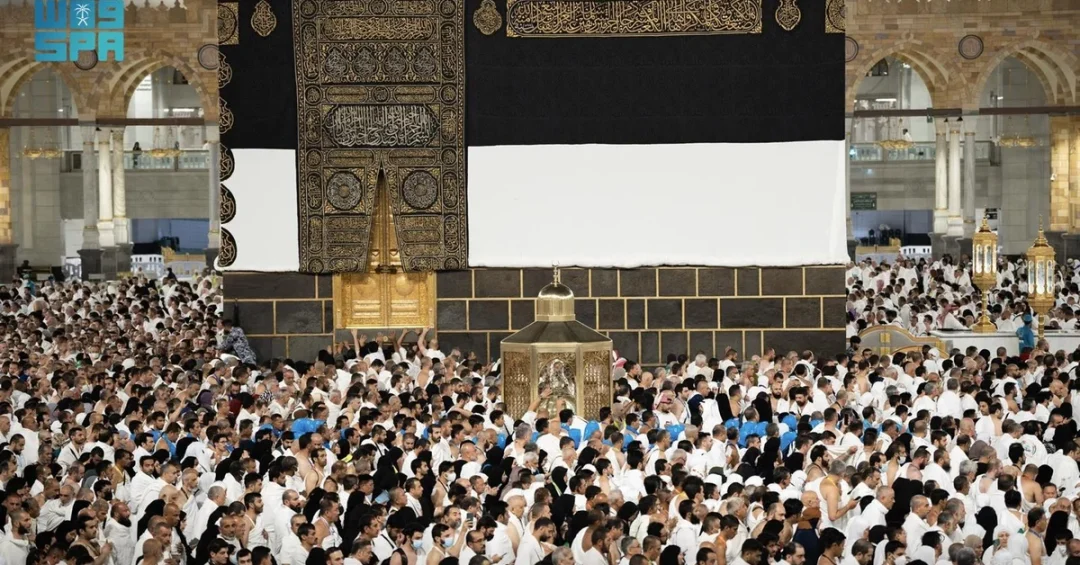
Pilgrims performing the Tawaf Al-Ifadah, a key ritual of the Hajj pilgrimage, have done so with ease and tranquility this year, thanks to comprehensive and integrated services provided by the Kingdom of Saudi Arabia. The smooth execution of this central rite underscores the Kingdom’s ongoing commitment to facilitating a spiritual and safe experience for the millions of Muslims who travel to the holy sites annually. The Saudi Ministry of Hajj and Umrah, working in coordination with other government entities, has meticulously planned and deployed resources to ensure every aspect of the pilgrimage is managed with the highest standards of efficiency and care.
Context and Background
The Tawaf Al-Ifadah, performed after the pilgrims return from Muzdalifah and Mina, is one of the essential pillars of Hajj. It involves circling the Kaaba seven times in the Grand Mosque in Makkah. Managing this ritual, which occurs simultaneously with other activities, requires exceptional logistical coordination, crowd control, and health services. Over the past decade, Saudi Arabia has invested heavily in expanding the capacity of the Grand Mosque and improving crowd management systems through advanced technology and upgraded infrastructure, all part of the broader Vision 2030 plan to enhance the services for pilgrims and provide a world-class experience.
Key Details of the Integrated Services
Integrated services for this year’s Tawaf Al-Ifadah include a range of measures from the General Presidency for the Affairs of the Grand Mosque and the Prophet’s Mosque and the Saudi Red Crescent Authority. Pilgrims benefit from expanded prayer areas, multilingual guidance teams, and state-of-the-art technology for monitoring crowd density and flow. Comprehensive medical facilities are positioned at strategic points, staffed by healthcare professionals ready to respond to any needs. Furthermore, transportation between Mina and the Grand Mosque is carefully synchronized to minimize waiting times and ensure comfort, reflecting years of planning and operational experience.
Implications for Pilgrim Welfare and Regional Significance
The smooth performance of Tawaf Al-Ifadah is a testament to the Kingdom’s ability to manage one of the world’s largest annual gatherings under challenging conditions. This success reinforces Saudi Arabia’s standing as a reliable steward of Islam’s holiest sites and a leader in providing large-scale, high-quality services. For the international community, the peaceful and orderly conduct of Hajj serves as a powerful symbol of unity and faith. For the Kingdom itself, it demonstrates the practical outcomes of its long-term investment in infrastructure, digital innovation, and human capital—a direct reflection of the efficiency goals central to Vision 2030.
Vision 2030 Alignment
This year’s seamless execution of Tawaf Al-Ifadah directly supports the objectives of Saudi Arabia’s Vision 2030, particularly in elevating the quality of services for the millions of pilgrims who visit the Kingdom. By consistently improving the Hajj and Umrah experiences, Saudi Arabia not only fulfills its religious duty but also strengthens the economic contribution of religious tourism, which is a key pillar of the national transformation plan. These ongoing enhancements ensure that the Kingdom remains a global center for spirituality and cultural exchange, reflecting a forward-looking vision that balances tradition with modernity.
Reader Feedback
We value your thoughts. Please share your feedback on this article.
Your feedback helps us improve our coverage.