


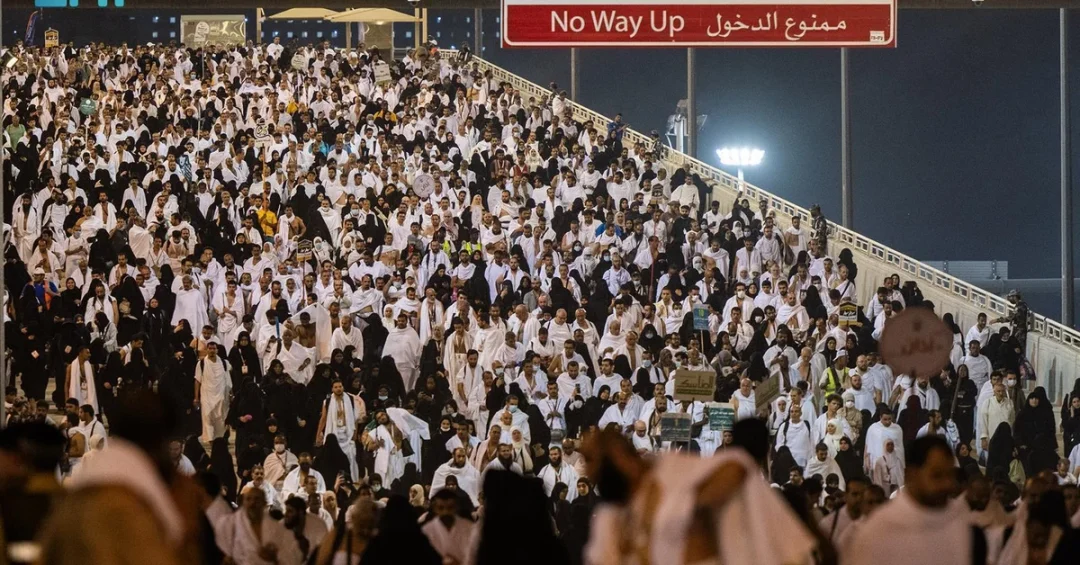
Mina, Saudi Arabia — Pilgrims performing the Hajj have begun the symbolic ritual of throwing stones at the three pillars, starting with Jamrat Al-Aqaba, in a key rite that follows the Day of Arafat. This significant religious observance marks the start of the three-day Tashreeq period, where millions of pilgrims gather in Mina to participate in the Stoning of the Devil ceremony, a central pillar of the Hajj pilgrimage. The Kingdom of Saudi Arabia, through its relevant ministries, has facilitated this event with comprehensive crowd management systems to ensure the safety and security of the pilgrims.
Context and Background
The ritual of Jamrat Al-Aqaba is the most significant of the three stoning ceremonies performed during Hajj. It commemorates the Prophet Ibrahim’s rejection of Satan’s temptations and symbolizes the pilgrim’s spiritual commitment to reject evil. Each year, millions of pilgrims converge on the Jamarat Bridge in Mina to throw seven pebbles at the largest pillar, an event that requires meticulous logistical planning and coordination by Saudi authorities.
Key Details
The Ministry of Hajj and Umrah has implemented advanced crowd management technologies and a phased access system to facilitate the smooth flow of pilgrims through the Jamarat facility. This infrastructure is designed to accommodate the high density of worshippers while maintaining strict safety protocols. The process begins at dawn and continues throughout the day, with pilgrims proceeding from their tents in Mina to the multi-level Jamarat Bridge. The Saudi Red Crescent Authority has also stationed teams and ambulances at strategic points to provide medical support during the ritual.
International Impact and Significance
The successful conduct of the Jamrat Al-Aqaba ritual underscores Saudi Arabia’s commitment to the global Muslim community. As a central act of worship in Islam, the Hajj and its rites represent a unifying event that brings together millions of pilgrims from over 180 countries. The Kingdom’s efficient management of this massive congregation not only ensures the well-being of visitors but also enhances global trust in Saudi Arabia’s capacity to host large-scale international events safely.
Vision 2030 Alignment
This year’s Hajj services, including the organized stoning ritual, reflect the goals of Saudi Vision 2030 to improve the quality of services provided to pilgrims and enhance the overall spiritual experience. The ongoing expansion of the Jamarat facility and the deployment of smart technologies are part of the Kingdom’s long-term strategy to increase the capacity of pilgrims and streamline logistical operations. By prioritizing innovation and safety, Saudi Arabia continues to solidify its role as a global leader in religious tourism and hospitality, aligning with its economic diversification objectives and its deep-rooted cultural values of service to the Muslim world.
Reader Feedback
We value your thoughts. Please share your feedback on this article.
Your feedback helps us improve our coverage.