


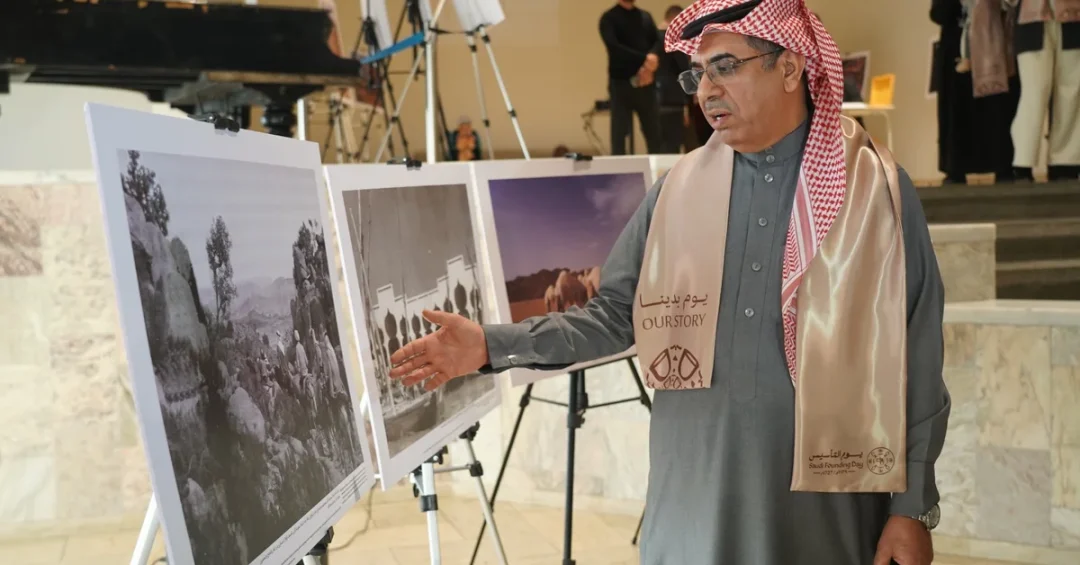
The Saudi Embassy in Bishkek celebrated Saudi Founding Day with a special ceremony at the National Historical Museum of Kyrgyzstan on February 22, 2025. The event, attended by Saudi Ambassador Ibrahim bin Radi Al-Radi, Kyrgyz officials, diplomats, and media, showcased Saudi Arabia’s rich heritage and cultural traditions.
Context and Background
Saudi Founding Day commemorates the establishment of the First Saudi State in 1727 by Imam Mohammed bin Saud. The annual celebration highlights the Kingdom’s historical roots, national unity, and cultural legacy. This year’s event in Kyrgyzstan reflects Saudi Arabia’s commitment to fostering international cultural exchange and diplomatic ties.
Key Details
The ceremony featured a photo exhibition displaying Saudi landmarks, a documentary film on the Kingdom’s history, and interactive pavilions dedicated to Arabic calligraphy, falconry, Saudi coffee, traditional fashion, and cuisine. Ambassador Al-Radi emphasized the strong bilateral relations between Saudi Arabia and Kyrgyzstan, noting the shared values of hospitality and cultural preservation.
Implications and Impact
The event served as a platform to strengthen Saudi-Kyrgyz relations and promote cultural diplomacy. By showcasing Saudi traditions abroad, the Kingdom reinforces its global soft power and Vision 2030 goals of international engagement. Such initiatives also support tourism growth by introducing Saudi heritage to new audiences.
Vision 2030 Alignment
This Founding Day celebration aligns with Saudi Arabia’s Vision 2030 objectives of cultural preservation and global partnership. By sharing its heritage internationally, the Kingdom fosters mutual understanding while advancing its position as a bridge between civilizations—a key pillar of its long-term strategic vision.
20 Questions
Q1. When was Saudi Founding Day first celebrated?
A1. Saudi Founding Day was first celebrated in 2022 after a royal decree designated February 22 as an annual holiday marking the 1727 establishment of the First Saudi State.
Q2. Who attended the Kyrgyzstan Founding Day event?
A2. Attendees included Saudi Ambassador Ibrahim Al-Radi, Kyrgyz officials, diplomats from other missions, media representatives, and embassy staff members.
Q3. What cultural elements were featured at the event?
A3. The ceremony showcased Arabic calligraphy, falconry, Saudi coffee preparation, traditional fashions, and authentic cuisine through interactive exhibits.
Q4. Why was the National Historical Museum chosen as the venue?
A4. The museum provided an appropriate cultural setting to display Saudi heritage while honoring Kyrgyzstan’s own historical traditions and museum standards.
Q5. How does this event benefit Saudi-Kyrgyz relations?
A5. Cultural diplomacy strengthens bilateral ties by fostering mutual appreciation and creating opportunities for future cooperation in tourism and education.
Q6. What is the significance of including falconry in the exhibition?
A6. Falconry represents an important Bedouin tradition recognized by UNESCO as Saudi intangible cultural heritage, showcasing the Kingdom’s desert roots.
Q7. How does Saudi coffee differ from other regional varieties?
A7. Saudi coffee features cardamom and saffron flavors, served in small cups as part of a ceremonial hospitality tradition central to Saudi culture.
Q8. What role does Arabic calligraphy play in Saudi culture?
A8. As the art of Quranic transcription, calligraphy holds religious significance while representing a revered artistic tradition in Saudi Arabia.
Q9. How often does the Saudi Embassy organize such cultural events?
A9. The embassy regularly hosts cultural programs, with Founding Day being one of the most significant annual celebrations of Saudi heritage abroad.
Q10. What message did Ambassador Al-Radi convey during the event?
A10. The ambassador emphasized Saudi Arabia’s commitment to cultural exchange and appreciation for Kyrgyzstan’s hospitality and partnership.
Q11. How does this event support Vision 2030 goals?
A11. It advances Vision 2030’s cultural preservation and international engagement objectives by sharing Saudi heritage globally.
Q12. What historical period does Founding Day commemorate?
A12. It marks the 1727 establishment of the First Saudi State in Diriyah under Imam Mohammed bin Saud, beginning the Saudi royal lineage.
Q13. Were traditional Saudi garments displayed at the event?
A13. Yes, the fashion pavilion featured authentic Saudi attire including thobes, shemaghs, and abayas representing regional styles.
Q14. How do such events impact Saudi tourism?
A14. International cultural exhibitions raise global awareness of Saudi heritage, potentially increasing interest in tourism to experience these traditions firsthand.
Q15. What diplomatic rank does Ambassador Al-Radi hold?
A15. As ambassador extraordinary and plenipotentiary, he is Saudi Arabia’s highest-ranking diplomatic representative to Kyrgyzstan.
Q16. How does Saudi Arabia preserve its cultural traditions?
A16. Through museums, festivals, education programs, and international events like this that document and share traditional arts and customs.
Q17. What other countries hosted similar Founding Day events?
A17. Saudi embassies worldwide organize Founding Day celebrations, with major events reported across Europe, Asia, and North America.
Q18. How long has Saudi Arabia maintained diplomatic relations with Kyrgyzstan?
A18. Formal diplomatic relations were established in 1992 following Kyrgyzstan’s independence, with ties strengthening through cultural and economic cooperation.
Q19. What future collaborations might this event inspire?
A19. Potential collaborations include cultural exchange programs, museum partnerships, and joint heritage preservation initiatives between the two nations.
Q20. How does cultural diplomacy benefit Saudi Arabia’s global image?
A20. By sharing its rich traditions positively, Saudi Arabia enhances international understanding and counters stereotypes while building soft power influence.
Reader Feedback
We value your thoughts. Please share your feedback on this article.
Your feedback helps us improve our coverage.