


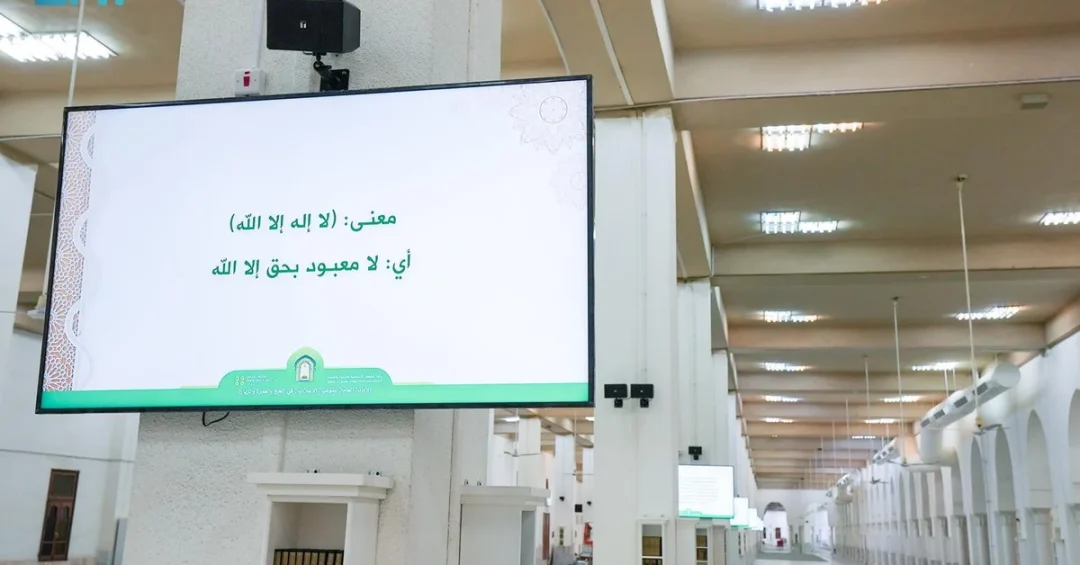
The Namira Mosque in Makkah is fully prepared to welcome pilgrims for the Day of Arafah, a pivotal moment of the Hajj pilgrimage. This announcement, made by Saudi authorities through official channels, underscores the Kingdom’s commitment to providing world-class facilities and services for millions of worshippers annually. As the largest prayer site on the plains of Arafat, the mosque is central to the Hajj experience.
Context and Background
The Namira Mosque, historically linked to the Prophet Muhammad’s farewell sermon, holds immense religious significance. Situated at the boundary of the holy site of Arafat, it is where pilgrims gather for the afternoon and sunset prayers on the ninth day of the Islamic month of Dhul Hijjah. The Kingdom of Saudi Arabia, under its ongoing development initiatives, has prioritized the expansion and enhancement of this key landmark to accommodate the growing number of pilgrims.
Key Details
Recent expansions have significantly increased the mosque’s capacity to accommodate over 100,000 worshippers, featuring state-of-the-art cooling systems, marble flooring, and integrated shade structures. The project also includes upgraded pathways, speaker systems for sermons, and accessible facilities for elderly and disabled pilgrims. Saudi officials have confirmed comprehensive maintenance and operational readiness, including cleaning, lighting, and emergency services, to ensure a smooth and spiritual experience.
Implications and Impact
The readiness of the Namira Mosque reflects Saudi Arabia’s broader dedication to enhancing the Hajj and Umrah experience. By leveraging modern technology and sustainable infrastructure, the initiative ensures that millions of pilgrims can perform their rituals in safety, comfort, and reverence. This development also strengthens the Kingdom’s role as a global leader in Islamic affairs, demonstrating its capacity to host events of unprecedented scale.
Vision 2030 Alignment
This project directly aligns with Saudi Arabia’s Vision 2030 goals, particularly in the Pilgrim Experience Program (PES), which aims to host 30 million Umrah and Hajj pilgrims annually by 2030. By investing in iconic religious sites like the Namira Mosque, the Kingdom underscores its commitment to providing exceptional services that honor the spiritual heritage of Islam while driving sustainable tourism and economic diversification. This long-term vision ensures that the Kingdom remains a beacon of hospitality and innovation for future generations.
Reader Feedback
We value your thoughts. Please share your feedback on this article.
Your feedback helps us improve our coverage.