


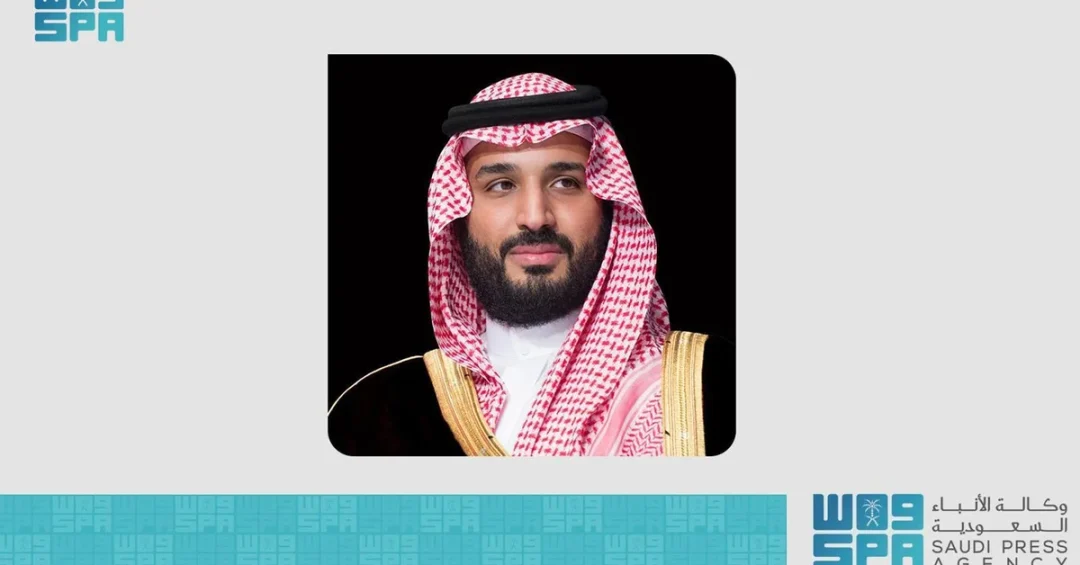
His Royal Highness Prince Mohammed bin Salman bin Abdulaziz Al Saud, Crown Prince and Prime Minister of Saudi Arabia, sent a congratulatory cable to Sultan Haji Hassanal Bolkiah of Brunei Darussalam on the occasion of Brunei’s National Day. The message, delivered on February 23, 2025, expressed HRH the Crown Prince’s sincere wishes for the Sultan’s health and happiness, as well as continued progress and prosperity for Brunei and its people.
Context and Background
Saudi Arabia and Brunei Darussalam share longstanding diplomatic relations rooted in mutual respect and shared Islamic values. Both nations are members of the Organization of Islamic Cooperation (OIC) and have collaborated on various regional and international platforms. Brunei’s National Day marks its independence from British rule in 1984, a significant milestone celebrated annually with national pride.
Key Details
The congratulatory message from HRH Crown Prince Mohammed bin Salman underscores the strong bilateral ties between Saudi Arabia and Brunei. The cable emphasized the Kingdom’s commitment to fostering friendship and cooperation with Brunei, reflecting Saudi Arabia’s broader diplomatic efforts to strengthen relationships with fellow Muslim-majority nations. The Brunei Sultanate has consistently supported Saudi initiatives on global Islamic solidarity.
Implications and Impact
This diplomatic gesture reinforces Saudi Arabia’s role as a unifying force in the Islamic world. The exchange of goodwill messages between leaders of Muslim nations helps maintain cultural and political connectivity across the ummah. For Brunei, such recognition from a G20 economy and custodian of Islam’s holiest sites carries significant symbolic value in international relations.
Vision 2030 Alignment
This diplomatic engagement aligns with Saudi Arabia’s Vision 2030 objective of strengthening international partnerships. Under the Vision’s third pillar of ‘Ambitious Nation,’ the Kingdom seeks to enhance its global positioning through constructive diplomacy. Such exchanges with ASEAN members like Brunei also support economic diversification goals by maintaining positive relations with growing Southeast Asian markets.
20 Questions
Q1. When did Brunei gain independence?
A1. Brunei gained full independence from British rule on January 1, 1984, after being a British protectorate since 1888.
Q2. What is the significance of Brunei’s National Day?
A2. Brunei’s National Day commemorates its independence and is marked by patriotic celebrations including parades, cultural performances, and religious ceremonies.
Q3. How long have Saudi Arabia and Brunei maintained diplomatic relations?
A3. Saudi Arabia and Brunei established formal diplomatic relations shortly after Brunei’s independence in 1984, maintaining ties for over 40 years.
Q4. What organizations do both countries belong to?
A4. Both nations are members of the OIC, ASEAN Regional Forum, and the United Nations, collaborating on Islamic and global matters.
Q5. What was the key message in HRH Crown Prince’s cable?
A5. The message conveyed warm congratulations and wishes for the Sultan’s wellbeing and Brunei’s continued progress and prosperity.
Q6. How does this diplomatic exchange benefit Saudi Arabia?
A6. It strengthens Saudi Arabia’s ties with Southeast Asia and reinforces its leadership role in the Islamic world.
Q7. What is Brunei’s form of government?
A7. Brunei is an absolute Islamic monarchy with the Sultan as head of state and government, similar to Saudi Arabia’s governance structure.
Q8. What economic ties exist between the two nations?
A8. Both are energy-producing nations that cooperate through OPEC and share interests in halal industry development and Islamic finance.
Q9. How often do Saudi and Brunei leaders exchange messages?
A9. Leaders regularly exchange messages during national celebrations and Islamic holidays, maintaining consistent diplomatic communication.
Q10. What role does Islam play in Brunei-Saudi relations?
A10. Shared Islamic values form the foundation of bilateral relations, with both nations collaborating on Hajj management and Islamic education initiatives.
Q11. How does Brunei participate in Saudi-led Islamic initiatives?
A11. Brunei supports Saudi efforts like the Islamic Military Counter Terrorism Coalition and various OIC humanitarian programs.
Q12. What is Brunei’s position on Saudi Vision 2030?
A12. Brunei has expressed support for Vision 2030’s economic diversification goals, particularly in areas of Islamic tourism and digital transformation.
Q13. Have there been recent high-level visits between the countries?
A13. Yes, Brunei’s Crown Prince Al-Muhtadee Billah visited Saudi Arabia in 2023 to strengthen bilateral cooperation in multiple sectors.
Q14. What cultural exchanges occur between Saudi Arabia and Brunei?
A14. Exchanges include Islamic scholarship programs, museum collaborations, and participation in each other’s cultural festivals and book fairs.
Q15. How does Brunei’s National Day celebration typically proceed?
A15. Celebrations feature a grand parade, Quran recitations, traditional performances, and a mass gathering at Sultan Omar Ali Saifuddien Mosque.
Q16. What percentage of Brunei’s population is Muslim?
A16. Approximately 82% of Brunei’s population follows Islam, which is the official state religion.
Q17. How does Saudi Arabia support Brunei’s Islamic institutions?
A17. Through scholarships at Saudi universities, mosque construction assistance, and collaboration on fatwa councils and Sharia implementation.
Q18. What trade opportunities exist between the two kingdoms?
A18. Potential exists in halal food trade, Islamic finance products, and energy sector technology transfer.
Q19. How do both countries collaborate on Hajj matters?
A19. Saudi Arabia facilitates Brunei’s Hajj pilgrims through streamlined visa processes and dedicated services, while Brunei organizes pre-Hajj training programs.
Q20. Why are such diplomatic messages important?
A20. They maintain goodwill between nations, reaffirm mutual respect, and open doors for deeper cooperation across political, economic and cultural spheres.
Reader Feedback
We value your thoughts. Please share your feedback on this article.
Your feedback helps us improve our coverage.