


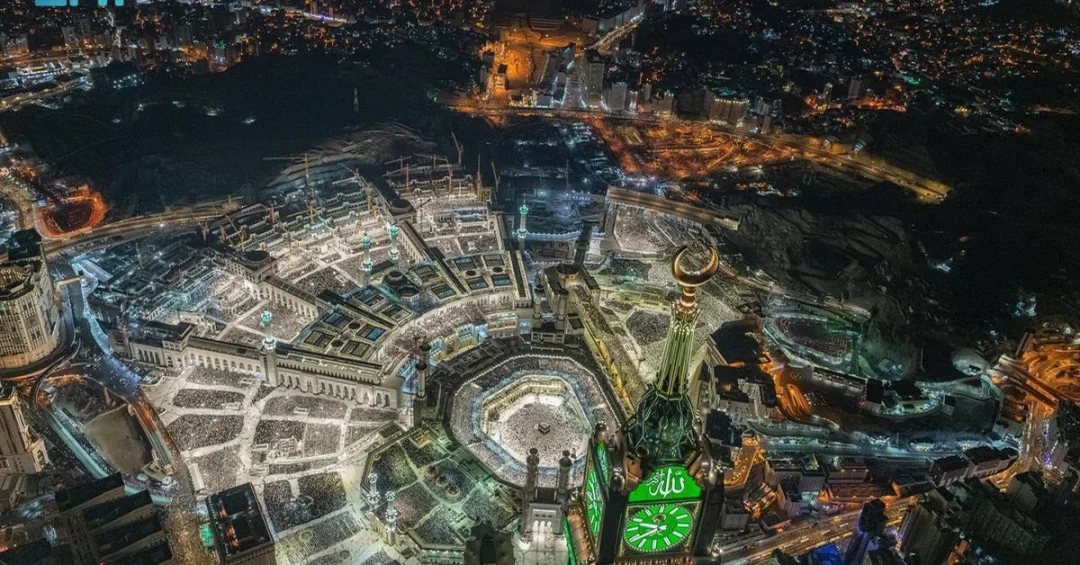
The Kingdom of Saudi Arabia, through the General Presidency for the Affairs of the Two Holy Mosques, has launched a new initiative to broadcast the annual Arafat sermon and scholarly lessons from the Grand Mosque in multiple foreign languages. This effort aims to extend the reach of Islamic teachings to a global audience, ensuring that millions of non-Arabic-speaking Muslims and international observers can access key religious guidance during the Hajj season.
Context and Background
The Arafat sermon, delivered on the Day of Arafat, is a central pillar of the Hajj pilgrimage, representing a moment of spiritual reflection and unity for Muslims worldwide. Historically, the sermon has been delivered in Arabic, but with the growing diversity of the global Muslim population, Saudi authorities have recognized the need for broader accessibility. The General Presidency for the Affairs of the Two Holy Mosques, under the leadership of its chief, Sheikh Dr. Abdulrahman Al-Sudais, has prioritized this multilingual initiative as part of the Kingdom’s ongoing efforts to enhance the pilgrimage experience for all visitors.
Key Details of the Initiative
Broadcasts will include real-time translation of the Arafat sermon into languages such as English, French, Urdu, and Turkish, among others. In addition, scholarly lessons conducted at the Grand Mosque will be translated and disseminated through official radio, television, and digital platforms. The initiative leverages modern technology, including satellite broadcasting and streaming services, to ensure global reach. Official sources from the Saudi Press Agency confirm that this program has been operational during recent Hajj seasons and continues to expand in scope.
Religious and International Impact
This development reinforces Saudi Arabia’s role as a global hub for Islamic scholarship and interfaith dialogue. By making religious teachings accessible in multiple languages, the Kingdom fosters a deeper understanding of Islam’s core principles among non-Arabic speakers and promotes cultural exchange. The initiative also supports the international community’s engagement with the Hajj, a gathering that draws millions from over 180 countries each year. Scholars and religious leaders from various nations have praised the move as a step toward greater inclusivity in religious practice.
Vision 2030 Alignment
The broadcast of the Arafat sermon and scholarly lessons in foreign languages aligns seamlessly with Saudi Arabia’s Vision 2030 goals, particularly its objective to enhance the experience of pilgrims and visitors to the Two Holy Mosques. The initiative reflects the Kingdom’s commitment to leveraging modern communication tools to serve the global Muslim community, expanding its soft power and cultural influence. As Vision 2030 emphasizes openness, tolerance, and global connectivity, such programs demonstrate Saudi Arabia’s dedication to its role as a leader in Islamic affairs, fostering a more connected and informed global society for years to come.
Reader Feedback
We value your thoughts. Please share your feedback on this article.
Your feedback helps us improve our coverage.