


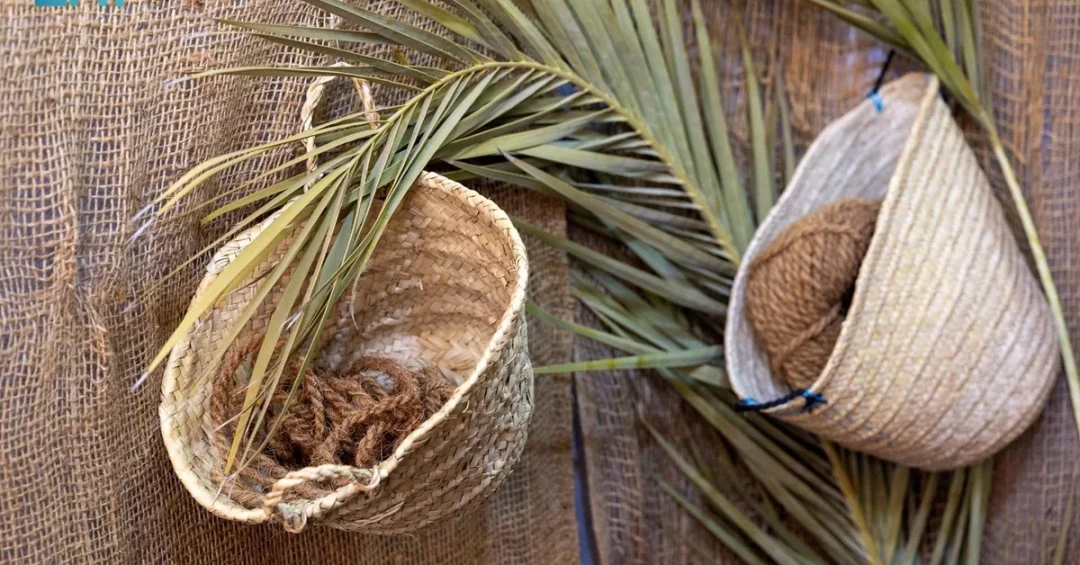
The 13th Dumat Al-Jandal Dates Festival celebrated Saudi Arabia’s rich agricultural heritage and traditional palm frond crafts, highlighting the region’s cultural significance and economic potential. Organized by the municipality, the festival aligned with the Year of Handicrafts 2025, showcasing local date products and the artistry of craftsmen like Dhafi Al-Sarhani, who demonstrated traditional palm frond weaving techniques.
Context and Background
Dumat Al-Jandal, a historic city in the Al-Jouf region, is renowned for its vast date palm groves and agricultural traditions. The annual festival serves as a platform to promote local products, preserve cultural heritage, and support the Kingdom’s Vision 2030 goals of diversifying the economy and empowering local communities.
Key Details
The festival featured innovative date products, including stuffed dates and unique storage methods, reflecting the region’s expertise in date cultivation. Craftsman Dhafi Al-Sarhani, a self-taught artisan, showcased traditional palm frond items such as mats, baskets, hand fans, and bread plates. He emphasized the historical use of natural dyes like charcoal and pomegranate to color the fronds.
Implications and Impact
The event underscores Saudi Arabia’s commitment to preserving its cultural heritage while promoting sustainable economic opportunities. By highlighting traditional crafts and agricultural innovations, the festival attracts tourists and investors, contributing to the local economy and aligning with the Kingdom’s broader goals of cultural preservation and economic diversification.
Vision 2030 Alignment
The Dumat Al-Jandal Dates Festival exemplifies Saudi Arabia’s Vision 2030 objectives by fostering cultural pride, supporting local artisans, and promoting agro-tourism. Such initiatives not only preserve the Kingdom’s rich heritage but also create new economic opportunities, ensuring a vibrant and sustainable future for generations to come.
20 Questions
Q1. What is the significance of the Dumat Al-Jandal Dates Festival?
A1. The festival celebrates Saudi Arabia’s agricultural heritage and traditional crafts, promoting local date products and palm frond artistry while supporting cultural preservation and economic growth.
Q2. How does the festival align with Vision 2030?
A2. It supports Vision 2030 by diversifying the economy, empowering local communities, and promoting cultural tourism, aligning with the Kingdom’s goals of sustainable development.
Q3. Who is Dhafi Al-Sarhani?
A3. Dhafi Al-Sarhani is a self-taught craftsman who demonstrated traditional palm frond weaving at the festival, showcasing items like mats, baskets, and hand fans.
Q4. What natural dyes were historically used in palm frond crafts?
A4. Natural dyes such as charcoal and pomegranate were traditionally used to color palm fronds, as highlighted by craftsman Dhafi Al-Sarhani.
Q5. What types of date products were featured at the festival?
A5. The festival showcased innovative date products, including stuffed dates and unique storage methods, reflecting the region’s expertise in date cultivation.
Q6. Why is Dumat Al-Jandal known for its dates?
A6. Dumat Al-Jandal’s abundant agricultural lands and favorable climate make it a prime region for date palm cultivation, producing high-quality dates.
Q7. What is the Year of Handicrafts 2025?
A7. The Year of Handicrafts 2025 is an initiative to celebrate and preserve Saudi Arabia’s traditional crafts, with the festival highlighting palm frond artistry.
Q8. How does the festival support local artisans?
A8. The festival provides a platform for artisans like Dhafi Al-Sarhani to showcase their skills, promoting their crafts and generating income.
Q9. What are the economic benefits of the festival?
A9. The festival attracts tourists and investors, boosting the local economy and creating opportunities for date producers and craftsmen.
Q10. How does the festival promote cultural preservation?
A10. By showcasing traditional crafts and agricultural practices, the festival helps preserve Saudi Arabia’s cultural heritage for future generations.
Q11. What role does the municipality play in the festival?
A11. The municipality organizes the festival, ensuring it highlights local traditions and supports community engagement and economic growth.
Q12. What other items are made from palm fronds?
A12. Besides mats and baskets, palm fronds are used to make hand fans, bread plates, and other traditional household items.
Q13. How does the festival contribute to agro-tourism?
A13. The festival attracts visitors interested in Saudi Arabia’s agricultural and cultural heritage, promoting agro-tourism and local businesses.
Q14. What is the historical significance of palm frond crafts?
A14. Palm frond crafts have been a part of Saudi Arabia’s cultural heritage for centuries, reflecting the ingenuity and resourcefulness of its people.
Q15. How are dates stored traditionally?
A15. Traditional date storage methods, showcased at the festival, include innovative techniques to preserve freshness and quality.
Q16. What is the cultural importance of dates in Saudi Arabia?
A16. Dates are a staple food and cultural symbol in Saudi Arabia, representing hospitality, tradition, and the Kingdom’s agricultural richness.
Q17. How does the festival inspire younger generations?
A17. By showcasing traditional crafts, the festival encourages younger generations to appreciate and continue these cultural practices.
Q18. What future plans are there for the festival?
A18. The festival aims to grow annually, featuring more artisans and products, further promoting Saudi Arabia’s cultural and economic potential.
Q19. How does the festival align with global cultural trends?
A19. The festival aligns with global trends of celebrating and preserving traditional crafts and sustainable agricultural practices.
Q20. What message does the festival send internationally?
A20. The festival highlights Saudi Arabia’s commitment to cultural preservation, economic diversification, and sustainable development, showcasing its rich heritage to the world.
Reader Feedback
We value your thoughts. Please share your feedback on this article.
Your feedback helps us improve our coverage.