


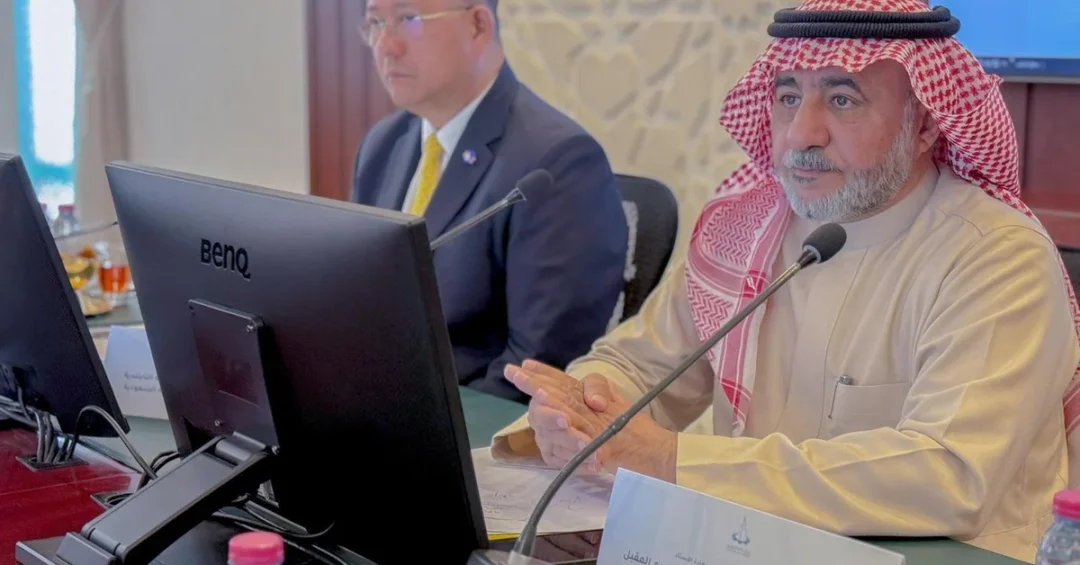
Thailand’s Ambassador to Saudi Arabia, Darm Boontham, visited the Qassim Chamber headquarters in Buraidah on February 24, 2025, to explore investment opportunities in the region. The meeting, chaired by Qassim Chamber Chairman Ali Al-Muqbil, was attended by Secretary General Mohammad Al-Hanaya, board members, business leaders, and private sector investors, highlighting the region’s potential for economic collaboration.
Context and Background
The meeting between Ambassador Boontham and Qassim Chamber officials underscores the growing economic ties between Saudi Arabia and Thailand. Qassim, known for its agricultural wealth and strategic location, has become a focal point for international investors seeking to capitalize on Saudi Arabia’s Vision 2030 initiatives. The discussions aimed to identify pathways for Thai investors to contribute to the region’s economic diversification and growth.
Key Details
During the meeting, participants examined regulations and procedures relevant to the industrial, commercial, and investment sectors. The discussions also addressed vital issues concerning the business sector, emphasizing the aspirations of investors and the potential for capital influx. Ambassador Boontham expressed Thailand’s interest in strengthening bilateral economic relations and exploring new avenues for collaboration.
Implications and Impact
The visit highlights Qassim’s role as a key player in Saudi Arabia’s economic transformation. By fostering partnerships with international investors, the region aims to enhance its industrial and commercial sectors, aligning with Vision 2030’s goals of economic diversification. The meeting also reflects Saudi Arabia’s broader strategy to attract foreign investment and strengthen global economic ties.
Vision 2030 Alignment
This engagement aligns with Saudi Arabia’s Vision 2030 objectives, which emphasize economic diversification, private sector growth, and international collaboration. By attracting Thai investment, Qassim contributes to the Kingdom’s broader goals of reducing reliance on oil revenues and fostering sustainable economic development.
20 Questions
Q1. Who attended the meeting at the Qassim Chamber?
A1. The meeting was attended by Thailand’s Ambassador Darm Boontham, Qassim Chamber Chairman Ali Al-Muqbil, Secretary General Mohammad Al-Hanaya, board members, business leaders, and private sector investors.
Q2. What was the purpose of the meeting?
A2. The meeting aimed to explore investment opportunities in Qassim and strengthen economic ties between Saudi Arabia and Thailand.
Q3. What sectors were discussed during the meeting?
A3. The discussions focused on the industrial, commercial, and investment sectors.
Q4. What are Qassim’s key economic strengths?
A4. Qassim is known for its agricultural wealth and strategic location, making it an attractive destination for investors.
Q5. How does this visit align with Vision 2030?
A5. The visit aligns with Vision 2030’s goals of economic diversification, private sector growth, and international collaboration.
Q6. What role does Qassim play in Saudi Arabia’s economy?
A6. Qassim plays a vital role in Saudi Arabia’s economic transformation by fostering industrial and commercial growth.
Q7. What did Ambassador Boontham express during the meeting?
A7. Ambassador Boontham expressed Thailand’s interest in strengthening bilateral economic relations and exploring new avenues for collaboration.
Q8. What are the potential benefits of Thai investment in Qassim?
A8. Thai investment can contribute to Qassim’s economic diversification, create job opportunities, and enhance industrial and commercial sectors.
Q9. How does Qassim attract international investors?
A9. Qassim attracts investors through its strategic location, agricultural wealth, and supportive regulatory environment.
Q10. What is Saudi Arabia’s strategy for economic diversification?
A10. Saudi Arabia’s strategy involves reducing reliance on oil revenues by fostering growth in non-oil sectors and attracting foreign investment.
Q11. What are the key objectives of Vision 2030?
A11. Vision 2030 aims to diversify the economy, develop public service sectors, and enhance the quality of life in Saudi Arabia.
Q12. How does international collaboration benefit Saudi Arabia?
A12. International collaboration brings foreign investment, expertise, and technology, supporting Saudi Arabia’s economic transformation.
Q13. What are the challenges in attracting foreign investment to Qassim?
A13. Challenges include ensuring regulatory clarity, infrastructure development, and aligning investor interests with regional priorities.
Q14. How does Qassim contribute to Saudi Arabia’s agricultural sector?
A14. Qassim is a major agricultural hub, producing crops like dates, wheat, and fruits, contributing significantly to Saudi Arabia’s food security.
Q15. What is the significance of Buraidah in Qassim?
A15. Buraidah is the capital of Qassim and a key economic and administrative center in the region.
Q16. How does Thailand benefit from investing in Qassim?
A16. Thailand can access new markets, enhance trade relations, and benefit from Saudi Arabia’s economic growth by investing in Qassim.
Q17. What is the role of the Qassim Chamber in attracting investment?
A17. The Qassim Chamber facilitates investment by providing information, networking opportunities, and support to local and international investors.
Q18. How does Saudi Arabia support foreign investors?
A18. Saudi Arabia supports foreign investors through favorable regulations, infrastructure development, and initiatives like Vision 2030.
Q19. What are the future prospects for Thai-Saudi economic relations?
A19. Future prospects include increased trade, joint ventures, and collaboration in sectors like agriculture, industry, and commerce.
Q20. How does Qassim’s development align with Saudi Arabia’s national goals?
A20. Qassim’s development aligns with Saudi Arabia’s goals of economic diversification, regional growth, and enhancing the Kingdom’s global economic role.
Reader Feedback
We value your thoughts. Please share your feedback on this article.
Your feedback helps us improve our coverage.