


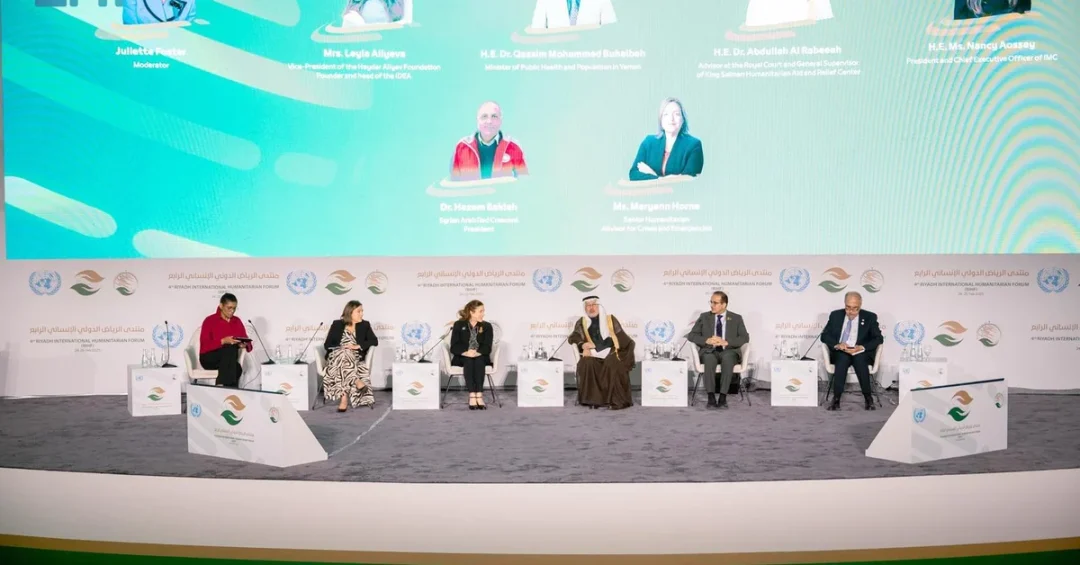
The fourth annual Riyadh International Humanitarian Forum hosted a high-level session on February 25, 2025, focusing on the role of international humanitarian volunteerism. The session, attended by Royal Court Advisor and KSrelief Supervisor-General Dr. Abdullah bin Abdulaziz Al Rabeeah, emphasized lessons learned, challenges, and future strategies for enhancing volunteer engagement globally.
Context and Background
The Riyadh International Humanitarian Forum, now in its fourth year, has established itself as a leading platform for addressing global humanitarian challenges. This year’s session on volunteerism underscores Saudi Arabia’s commitment to fostering international cooperation and advancing humanitarian efforts. The Kingdom, through initiatives like KSrelief, has been at the forefront of providing aid and promoting volunteerism worldwide.
Key Details
The session featured discussions on successful global experiences in humanitarian volunteerism, strategies to enhance volunteer engagement, and the role of technology in expanding volunteer opportunities. Participants, including senior officials and humanitarian leaders, explored approaches to increasing volunteer participation, with a focus on public-private partnerships. Dr. Al Rabeeah emphasized the importance of collaboration to address humanitarian crises effectively.
Implications and Impact
The session highlighted Saudi Arabia’s leadership in humanitarian efforts and its dedication to fostering global volunteerism. By sharing lessons learned and exploring innovative strategies, the forum aims to strengthen international cooperation and enhance the effectiveness of humanitarian aid. This aligns with Saudi Arabia’s broader goals of promoting stability and prosperity worldwide.
Vision 2030 Alignment
The discussions at the Riyadh International Humanitarian Forum reflect Saudi Arabia’s Vision 2030 objectives of building a thriving economy and a vibrant society. By promoting volunteerism and humanitarian cooperation, the Kingdom is contributing to global stability and reinforcing its role as a leader in international humanitarian efforts.
20 Questions
Q1. What was the focus of the session on volunteerism?
A1. The session focused on lessons learned, challenges, and future strategies for enhancing international humanitarian volunteerism.
Q2. Who participated in the session?
A2. Participants included Royal Court Advisor and KSrelief Supervisor-General Dr. Abdullah bin Abdulaziz Al Rabeeah, senior officials, and humanitarian leaders.
Q3. What role did technology play in discussions?
A3. Technology was highlighted as a key factor in expanding volunteer opportunities and improving humanitarian efforts.
Q4. What strategies were discussed to enhance volunteer engagement?
A4. Strategies included fostering public-private partnerships and leveraging successful global experiences.
Q5. How does this session align with Saudi Arabia’s Vision 2030?
A5. The session aligns with Vision 2030 by promoting volunteerism and international cooperation, contributing to global stability.
Q6. What is KSrelief’s role in humanitarian efforts?
A6. KSrelief, led by Dr. Al Rabeeah, is a key Saudi organization providing humanitarian aid and promoting volunteerism globally.
Q7. Why is volunteerism important in humanitarian work?
A7. Volunteerism enhances the reach and effectiveness of humanitarian aid, addressing crises more efficiently.
Q8. What lessons were shared during the session?
A8. Lessons included successful global experiences in volunteerism and strategies to overcome challenges.
Q9. How can public-private partnerships support volunteerism?
A9. Public-private partnerships can provide resources, expertise, and innovative solutions to enhance volunteer efforts.
Q10. What is the Riyadh International Humanitarian Forum?
A10. It is an annual forum addressing global humanitarian challenges, promoting international cooperation and solutions.
Q11. How does Saudi Arabia contribute to global humanitarian efforts?
A11. Saudi Arabia contributes through initiatives like KSrelief, providing aid and promoting volunteerism worldwide.
Q12. What are the challenges in humanitarian volunteerism?
A12. Challenges include resource limitations, coordination issues, and ensuring sustainable volunteer engagement.
Q13. How can technology improve volunteer opportunities?
A13. Technology can streamline volunteer recruitment, coordination, and impact assessment, enhancing efficiency.
Q14. What are the benefits of international cooperation in humanitarian work?
A14. International cooperation enhances resource sharing, expertise, and the overall effectiveness of humanitarian efforts.
Q15. How does volunteerism impact global stability?
A15. Volunteerism fosters community resilience, addresses crises, and promotes global solidarity and stability.
Q16. What are the goals of Vision 2030 in humanitarian efforts?
A16. Vision 2030 aims to promote global stability, foster international cooperation, and enhance Saudi Arabia’s humanitarian leadership.
Q17. How does KSrelief promote volunteerism?
A17. KSrelief promotes volunteerism through global aid initiatives, partnerships, and capacity-building programs.
Q18. What is Dr. Al Rabeeah’s role in humanitarian efforts?
A18. Dr. Al Rabeeah, as KSrelief Supervisor-General, leads Saudi Arabia’s humanitarian aid and volunteerism initiatives.
Q19. How can individuals contribute to humanitarian volunteerism?
A19. Individuals can contribute by volunteering, supporting organizations, and raising awareness about humanitarian needs.
Q20. What is the significance of public-private partnerships in humanitarian work?
A20. Public-private partnerships provide critical resources, innovation, and expertise, enhancing the impact of humanitarian efforts.
Reader Feedback
We value your thoughts. Please share your feedback on this article.
Your feedback helps us improve our coverage.