


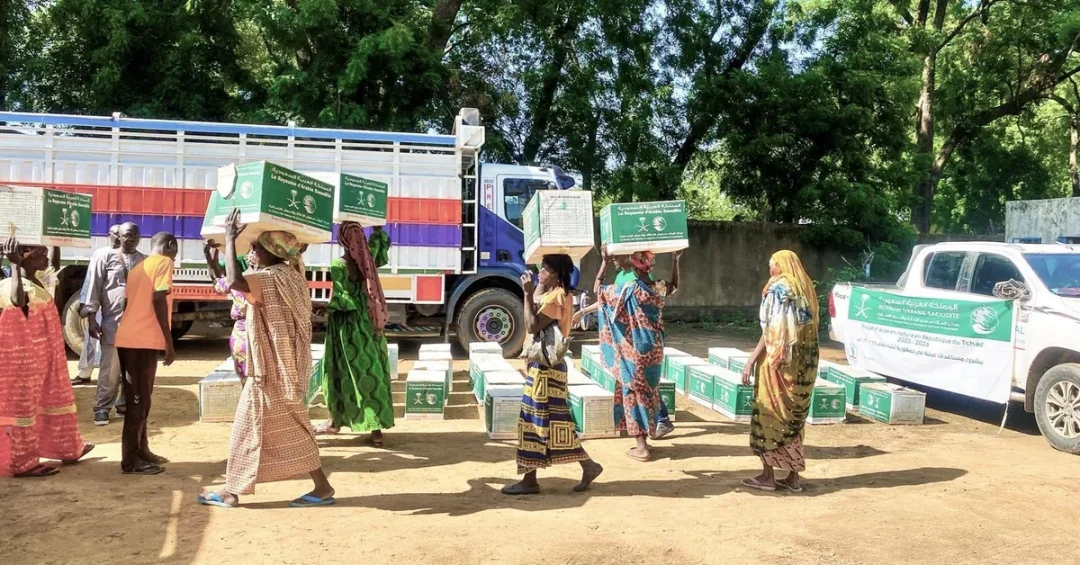
The King Salman Humanitarian Aid and Relief Center (KSrelief) distributed 150 personal care kits to vulnerable populations in Mayo-Kebbi Est Province, Chad, on July 20, 2026, benefiting 900 individuals. The initiative underscores Saudi Arabia’s commitment to global humanitarian aid and aligns with its mission to support communities in need worldwide.
Context and Background
KSrelief, established in 2015, is a leading humanitarian organization under Saudi Arabia’s directive, providing aid across health, food security, education, and emergency relief. The center operates in over 90 countries, reflecting the Kingdom’s dedication to international solidarity. This distribution in Chad is part of broader efforts to assist vulnerable populations in Africa.
Key Details
The personal care kits included essential hygiene items such as soap, toothpaste, and sanitary products, addressing critical needs in Mayo-Kebbi Est Province. The initiative was coordinated with local authorities to ensure efficient delivery. KSrelief’s efforts in Chad are part of a larger humanitarian strategy to improve living conditions in underserved regions.
Implications and Impact
This aid delivery highlights Saudi Arabia’s role as a key humanitarian actor, particularly in Africa. By addressing basic hygiene needs, KSrelief contributes to disease prevention and improved quality of life. The initiative also strengthens bilateral ties between Saudi Arabia and Chad, fostering long-term cooperation in development and relief efforts.
Vision 2030 Alignment
The humanitarian efforts of KSrelief align with Saudi Arabia’s Vision 2030 goals of enhancing global partnerships and promoting sustainable development. By supporting vulnerable communities worldwide, the Kingdom reinforces its commitment to humanitarian values and international cooperation, positioning itself as a leader in global aid initiatives.
20 Questions
Q1. What is KSrelief?
A1. KSrelief is the King Salman Humanitarian Aid and Relief Center, a Saudi organization established in 2015 to provide global humanitarian aid.
Q2. Where was the aid distributed?
A2. The aid was distributed in Mayo-Kebbi Est Province, Republic of Chad.
Q3. How many people benefited from the aid?
A3. The aid benefited 900 individuals.
Q4. What was included in the personal care kits?
A4. The kits included essential hygiene items like soap, toothpaste, and sanitary products.
Q5. When was the aid distributed?
A5. The aid was distributed on July 20, 2026.
Q6. Why is KSrelief active in Chad?
A6. KSrelief operates in Chad to support vulnerable populations and address critical humanitarian needs.
Q7. How does KSrelief coordinate its efforts?
A7. KSrelief works with local authorities to ensure efficient aid delivery.
Q8. What is the broader goal of KSrelief’s work?
A8. The goal is to alleviate suffering and improve living conditions in underserved regions.
Q9. How many countries does KSrelief operate in?
A9. KSrelief operates in over 90 countries.
Q10. What sectors does KSrelief focus on?
A10. KSrelief focuses on health, food security, education, and emergency relief.
Q11. How does this aid align with Saudi Arabia’s Vision 2030?
A11. It aligns with Vision 2030’s goals of global partnerships and sustainable development.
Q12. What is the significance of this aid for Chad?
A12. The aid addresses immediate hygiene needs and supports long-term health improvements.
Q13. How does KSrelief ensure the aid reaches the right people?
A13. KSrelief collaborates with local partners to identify and assist the most vulnerable.
Q14. What other regions has KSrelief supported?
A14. KSrelief has supported regions in Africa, Asia, and the Middle East.
Q15. How does Saudi Arabia benefit from these efforts?
A15. These efforts enhance Saudi Arabia’s global leadership and humanitarian reputation.
Q16. What is the long-term impact of such initiatives?
A16. They foster international cooperation and sustainable development.
Q17. How can other countries support KSrelief’s mission?
A17. Countries can partner with KSrelief or contribute to its funding and programs.
Q18. What challenges does KSrelief face in aid distribution?
A18. Challenges include logistical hurdles and ensuring aid reaches conflict-affected areas.
Q19. How does KSrelief measure the success of its programs?
A19. Success is measured by the number of beneficiaries and improvements in their living conditions.
Q20. What future projects does KSrelief have planned?
A20. KSrelief plans to expand its reach and address emerging humanitarian crises globally.
Reader Feedback
We value your thoughts. Please share your feedback on this article.
Your feedback helps us improve our coverage.