


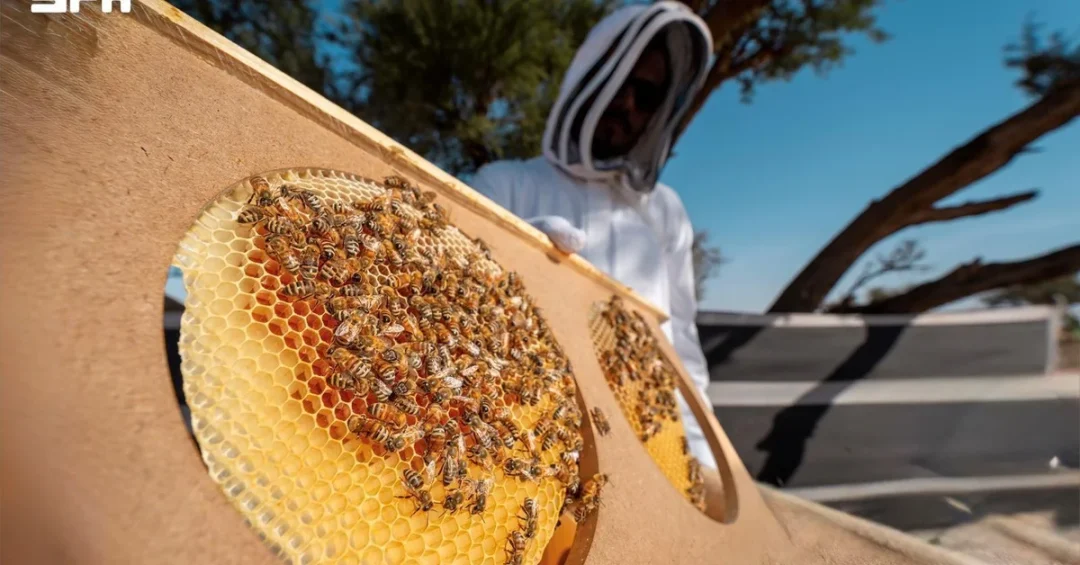
The Imam Turki Bin Abdullah Royal Nature Reserve Development Authority has recorded the participation of 11,439 beehives during the Talh and Sidr seasons, as part of its efforts to regulate beekeeping activities and promote environmental sustainability. This initiative underscores the Kingdom of Saudi Arabia’s commitment to preserving biodiversity and empowering local communities through sustainable economic practices.
Context and Background
The Imam Turki Bin Abdullah Royal Nature Reserve, located in Rafha, is a key natural sanctuary in Saudi Arabia. The reserve is known for its rich biodiversity and plays a crucial role in the Kingdom’s environmental conservation efforts. The organization of the Talh and Sidr seasons is part of a broader strategy to regulate beekeeping activities, protect vegetation, and promote the sustainable use of natural resources.
Key Details
During the Talh season, 8,050 beehives were recorded, owned by 99 beekeepers, while the Sidr season saw 3,389 beehives owned by 55 beekeepers. Notably, a female beekeeper participated in the Talh season, highlighting the reserve’s commitment to community empowerment and inclusivity. These seasonal programs are governed by strict regulations that ensure environmental sustainability while supporting local livelihoods.
Implications and Impact
The initiative not only enhances the production of natural honey but also contributes to the preservation of plant biodiversity. By regulating beekeeping activities, the reserve ensures a balance between resource utilization and conservation. This approach aligns with global environmental goals and positions Saudi Arabia as a leader in sustainable natural resource management.
Vision 2030 Alignment
The Imam Turki Bin Abdullah Royal Nature Reserve’s efforts align closely with Saudi Arabia’s Vision 2030, which emphasizes environmental sustainability, economic diversification, and community empowerment. By fostering sustainable practices and supporting local beekeepers, the reserve contributes to the Kingdom’s long-term goals of preserving natural heritage and promoting inclusive economic growth.
20 Questions
Q1. What is the Imam Turki Bin Abdullah Royal Nature Reserve?
A1. It is a natural sanctuary in Rafha, Saudi Arabia, known for its biodiversity and environmental conservation efforts.
Q2. How many beehives were recorded during the Talh and Sidr seasons?
A2. A total of 11,439 beehives were recorded.
Q3. What is the significance of the Talh season?
A3. The Talh season accounted for 8,050 beehives and is part of efforts to regulate beekeeping and promote sustainability.
Q4. How many beekeepers participated in the Talh season?
A4. 99 beekeepers participated in the Talh season.
Q5. What is the Sidr season?
A5. The Sidr season recorded 3,389 beehives and focuses on sustainable beekeeping practices.
Q6. How many beekeepers participated in the Sidr season?
A6. 55 beekeepers participated in the Sidr season.
Q7. What role does the reserve play in environmental conservation?
A7. The reserve regulates beekeeping, preserves vegetation, and promotes sustainable resource use.
Q8. How does this initiative benefit local communities?
A8. It empowers local beekeepers, enhances economic activities, and supports community development.
Q9. What is the significance of a female beekeeper participating?
A9. It highlights the reserve’s commitment to inclusivity and community empowerment.
Q10. How does the initiative contribute to biodiversity?
A10. By preserving plant biodiversity and supporting sustainable beekeeping practices.
Q11. What are the environmental sustainability goals of the reserve?
A11. To balance resource utilization with conservation and promote sustainable practices.
Q12. How does this initiative align with Saudi Arabia’s national goals?
A12. It aligns with Vision 2030’s focus on environmental sustainability and economic diversification.
Q13. What is the role of regulations in the seasonal programs?
A13. Regulations ensure environmental sustainability and support for local livelihoods.
Q14. How does the reserve promote economic activities?
A14. By supporting beekeeping and enhancing honey production linked to natural resources.
Q15. What is the global significance of this initiative?
A15. It positions Saudi Arabia as a leader in sustainable natural resource management.
Q16. How does the initiative balance utilization and conservation?
A16. By regulating beekeeping activities and preserving vegetation cover.
Q17. What is the broader impact on Saudi Arabia’s natural heritage?
A17. It contributes to the preservation of the Kingdom’s natural heritage for future generations.
Q18. How does the reserve support local livelihoods?
A18. By empowering beekeepers and promoting sustainable economic practices.
Q19. What is the importance of plant biodiversity in the reserve?
A19. It ensures a healthy ecosystem and supports sustainable beekeeping activities.
Q20. How does this initiative reflect Saudi Arabia’s Vision 2030?
A20. It aligns with Vision 2030’s goals of environmental sustainability, economic diversification, and community empowerment.
Reader Feedback
We value your thoughts. Please share your feedback on this article.
Your feedback helps us improve our coverage.