


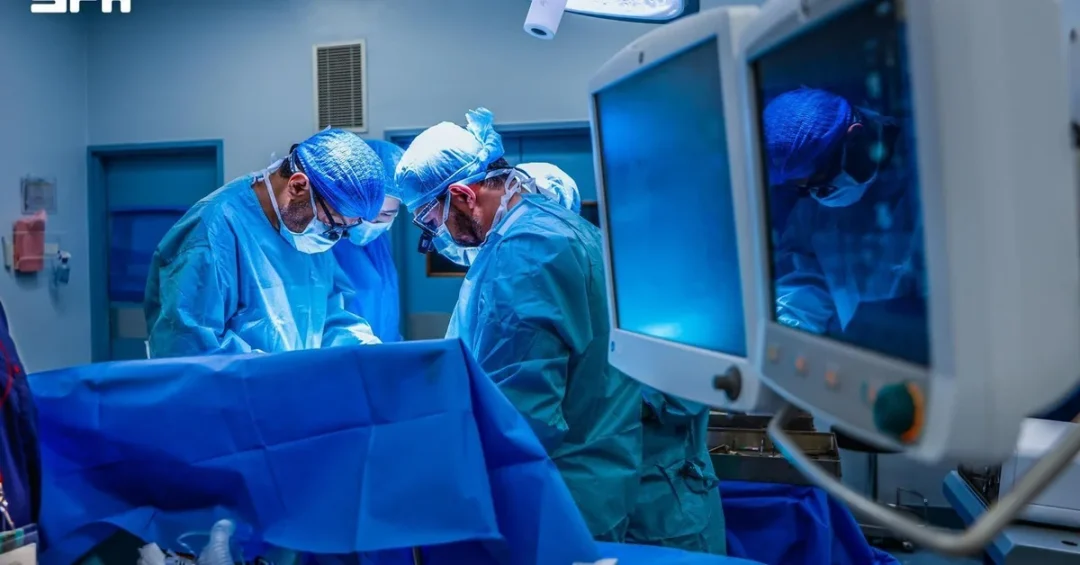
Riyadh’s Security Forces Hospital has achieved a significant medical milestone by successfully performing its first kidney transplant, marking a new chapter in Saudi Arabia’s healthcare advancement. The procedure, conducted as part of the hospital’s organ transplant program, was carried out on a 32-year-old patient suffering from kidney failure, with the kidney donated by his 35-year-old sister. Both donor and recipient are in stable condition, according to the Ministry of Interior’s General Department of Medical Services.
Context and Background
The successful kidney transplant at the Security Forces Hospital underscores Saudi Arabia’s commitment to advancing specialized medicine and enhancing healthcare quality. This achievement aligns with the Kingdom’s broader efforts to establish itself as a regional leader in healthcare innovation and excellence. The hospital’s organ transplant program is a testament to its capability to perform complex surgeries adhering to international best practices.
Key Details
The transplant procedure involved a multidisciplinary medical and surgical team, ensuring the highest standards of care. The donor and recipient underwent thorough medical examinations to confirm compatibility before the surgery. This meticulous approach reflects the hospital’s dedication to patient safety and successful outcomes. The Ministry of Interior highlighted this milestone as a significant step forward in expanding specialized medical services within the Kingdom.
Implications and Impact
The launch of the kidney transplant program at the Security Forces Hospital has far-reaching implications for Saudi Arabia’s healthcare sector. It not only reduces the need for patients to seek treatment abroad but also positions the Kingdom as a hub for advanced medical procedures. This development is expected to attract international recognition and collaboration, further boosting Saudi Arabia’s reputation in global healthcare.
Vision 2030 Alignment
This milestone aligns seamlessly with Saudi Arabia’s Vision 2030, which aims to transform the Kingdom into a leading healthcare destination. By investing in cutting-edge medical technologies and specialized programs, Saudi Arabia is enhancing the quality of life for its citizens and contributing to the global healthcare landscape. This achievement is a testament to the Kingdom’s unwavering commitment to realizing its Vision 2030 goals.
20 Questions
Q1. What milestone did Riyadh’s Security Forces Hospital achieve?
A1. The hospital successfully performed its first kidney transplant, a significant advancement in its organ transplant program.
Q2. Who performed the kidney transplant?
A2. A multidisciplinary medical and surgical team at the Security Forces Hospital performed the transplant.
Q3. Who was the recipient of the kidney transplant?
A3. The recipient was a 32-year-old patient suffering from kidney failure.
Q4. Who donated the kidney?
A4. The kidney was donated by the recipient’s 35-year-old sister.
Q5. What was the condition of the donor and recipient after the surgery?
A5. Both the donor and recipient were reported to be in stable condition post-surgery.
Q6. What program does the kidney transplant belong to?
A6. The transplant is part of the hospital’s organ transplant program.
Q7. What does this achievement signify for Saudi Arabia?
A7. It signifies Saudi Arabia’s commitment to advancing specialized medicine and enhancing healthcare quality.
Q8. What is the role of the Ministry of Interior in this achievement?
A8. The Ministry of Interior’s General Department of Medical Services oversees the hospital’s medical advancements, including this transplant.
Q9. How does this achievement impact Saudi Arabia’s healthcare sector?
A9. It positions Saudi Arabia as a hub for advanced medical procedures and reduces the need for patients to seek treatment abroad.
Q10. What are the international implications of this achievement?
A10. It is expected to attract international recognition and collaboration, boosting Saudi Arabia’s reputation in global healthcare.
Q11. How does this achievement align with Vision 2030?
A11. It aligns with Vision 2030’s goal of transforming Saudi Arabia into a leading healthcare destination.
Q12. What does Vision 2030 aim to achieve in healthcare?
A12. Vision 2030 aims to enhance healthcare quality, invest in medical technologies, and improve the quality of life for citizens.
Q13. What is the significance of the multidisciplinary team in the transplant?
A13. The team ensures the highest standards of care and successful outcomes for complex surgeries.
Q14. What medical examinations were conducted before the transplant?
A14. Thorough medical examinations were conducted to confirm compatibility between the donor and recipient.
Q15. How does this achievement benefit Saudi citizens?
A15. It provides access to advanced medical procedures within the Kingdom, improving healthcare accessibility.
Q16. What is the hospital’s organ transplant program?
A16. It is a specialized program aimed at performing complex organ transplants adhering to international best practices.
Q17. How does this achievement contribute to Saudi Arabia’s global role?
A17. It showcases Saudi Arabia’s advancements in healthcare, contributing to its global leadership in the sector.
Q18. What is the role of the Security Forces Hospital in Saudi Arabia’s healthcare system?
A18. The hospital serves as a medical reference center capable of performing complex operations and advancing specialized medicine.
Q19. What is the broader goal of Saudi Arabia’s healthcare advancements?
A19. The goal is to enhance healthcare quality, attract international collaboration, and improve patient outcomes.
Q20. How does this achievement reflect Saudi Arabia’s modernization efforts?
A20. It reflects the Kingdom’s commitment to adopting advanced medical technologies and practices, aligning with its modernization goals.
Reader Feedback
We value your thoughts. Please share your feedback on this article.
Your feedback helps us improve our coverage.