


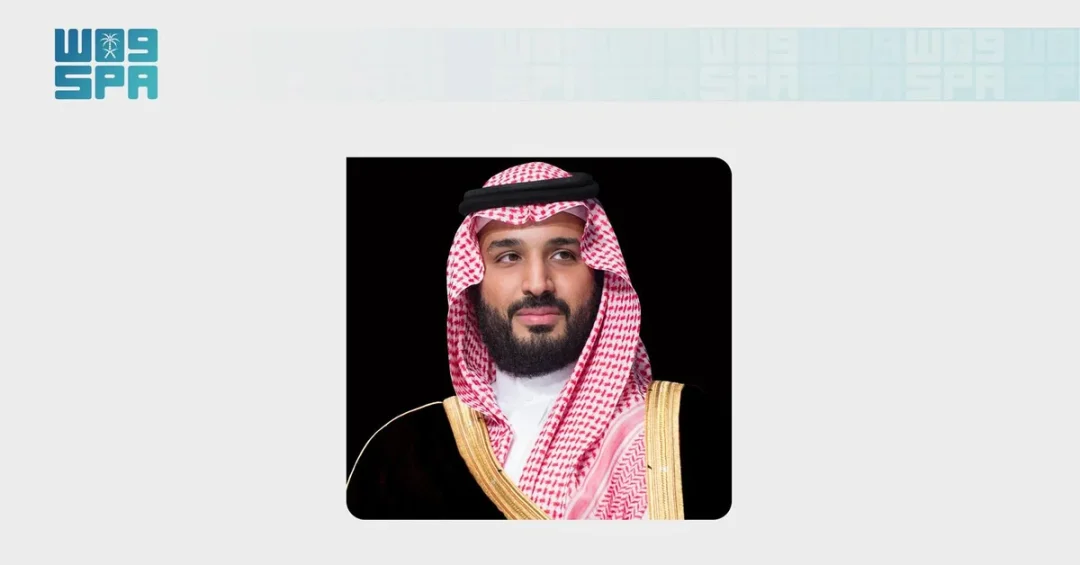
His Royal Highness Prince Mohammed bin Salman bin Abdulaziz Al Saud, Crown Prince and Prime Minister of Saudi Arabia, received a phone call from Pakistani Prime Minister Muhammad Shehbaz Sharif on July 23, 2026, during which the Pakistani leader strongly condemned the recent Houthi militia attack on a Saudi vessel in the Red Sea. The call underscored Pakistan’s firm stance in supporting Saudi Arabia’s security and sovereignty while addressing regional stability efforts.
Context and Background
The attack on the Saudi vessel represents the latest in a series of threats to maritime security in the Red Sea, a critical global trade route. The Houthi militia, based in Yemen, has previously targeted commercial and military vessels, raising concerns over regional stability. Saudi Arabia has consistently advocated for international cooperation to safeguard navigation and counter such threats.
Key Details
During the call, Prime Minister Shehbaz Sharif reiterated Pakistan’s unwavering support for Saudi Arabia, emphasizing the strong bilateral ties between the two nations. The leaders also discussed broader regional developments, including ongoing diplomatic efforts to de-escalate tensions. The conversation highlighted Saudi Arabia’s role as a stabilizing force in the Middle East.
Implications and Impact
The condemnation by Pakistan reinforces international solidarity against attacks on vital shipping lanes. The Red Sea serves as a crucial passage for global trade, and such incidents threaten economic security worldwide. Saudi Arabia’s proactive diplomacy seeks to build consensus among nations to counter destabilizing actions and ensure safe maritime transit.
20 Questions
Q1. When did the phone call between HRH the Crown Prince and Pakistan’s Prime Minister take place?
A1. The call occurred on July 23, 2026, as confirmed by the Saudi Press Agency.
Q2. What was the primary topic of discussion during the call?
A2. The conversation focused on Pakistan condemning the Houthi attack on a Saudi vessel and reaffirming support for Saudi Arabia’s security.
Q3. Who carried out the attack on the Saudi vessel?
A3. The Houthi militia, based in Yemen, was responsible for the attack.
Q4. Why is the Red Sea strategically important?
A4. The Red Sea is a vital global trade route connecting Europe, Asia, and Africa, making its security crucial for international commerce.
Q5. How has Saudi Arabia responded to threats in the Red Sea?
A5. Saudi Arabia has advocated for international cooperation to protect maritime navigation and counter destabilizing actions.
Q6. What is Pakistan’s stance on Saudi Arabia’s security?
A6. Pakistan firmly supports Saudi Arabia’s sovereignty and security, as reaffirmed by Prime Minister Shehbaz Sharif.
Q7. What other topics were discussed in the call?
A7. The leaders reviewed regional developments and efforts to promote stability in the Middle East.
Q8. How does Saudi Arabia contribute to regional stability?
A8. Through diplomatic engagement, economic partnerships, and counterterrorism efforts, Saudi Arabia plays a key stabilizing role.
Q9. What is the significance of Saudi-Pakistani relations?
A9. The two nations share strong bilateral ties, with Pakistan consistently supporting Saudi Arabia on regional and international issues.
Q10. Have there been similar attacks in the Red Sea before?
A10. Yes, the Houthi militia has previously targeted commercial and military vessels in the region.
Q11. What are the economic risks of Red Sea instability?
A11. Disruptions to shipping could increase trade costs and impact global supply chains.
Q12. How does Saudi Arabia engage with global maritime security efforts?
A12. The Kingdom collaborates with international partners to ensure safe passage and counter threats to navigation.
Q13. What role does Pakistan play in Middle East diplomacy?
A13. Pakistan maintains active diplomatic relations and supports peace initiatives in the region.
Q14. How do such attacks affect Saudi Arabia’s Vision 2030?
A14. Ensuring regional security is essential for achieving Vision 2030’s economic diversification and global integration goals.
Q15. What is the Houthi militia’s objective in targeting vessels?
A15. The group seeks to destabilize the region and challenge international maritime security.
Q16. How does Saudi Arabia address maritime threats diplomatically?
A16. The Kingdom engages in multilateral forums to strengthen legal and operational responses to maritime threats.
Q17. What is the broader regional impact of such attacks?
A17. They heighten tensions, hinder economic cooperation, and necessitate collective security measures.
Q18. How does Saudi Arabia support global trade routes?
A18. By investing in port infrastructure and collaborating with international partners to ensure safe maritime transit.
Q19. What steps are being taken to de-escalate regional tensions?
A19. Diplomatic efforts, including dialogue and confidence-building measures, are being pursued to reduce hostilities.
Q20. How does this incident align with Saudi Arabia’s global leadership role?
A20. The Kingdom’s proactive response reinforces its commitment to maintaining international security and stability.
Vision 2030 Alignment
The strong diplomatic response to the Red Sea attack aligns with Saudi Arabia’s Vision 2030 goals of enhancing regional security and fostering international partnerships. By safeguarding critical trade routes and strengthening alliances, the Kingdom advances its vision of a prosperous and interconnected global economy.
Reader Feedback
We value your thoughts. Please share your feedback on this article.
Your feedback helps us improve our coverage.