


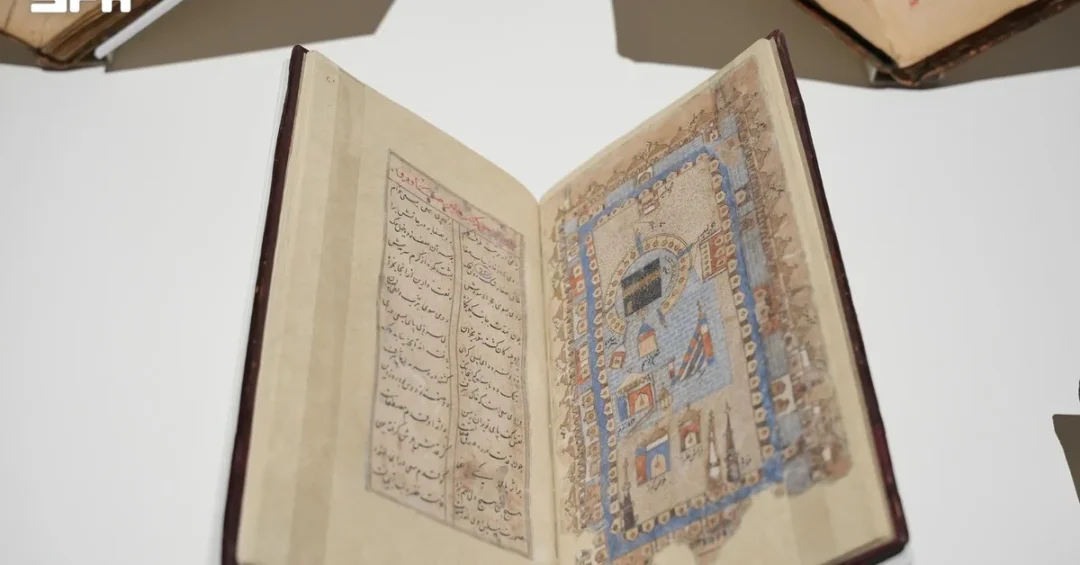
The House of Islamic Arts in Jeddah, inaugurated in July 2026, has become a beacon of cultural heritage by showcasing over 1,000 rare artifacts spanning 15 centuries. As the Kingdom’s first museum dedicated entirely to Islamic art, it highlights craftsmanship and innovation from regions across the Islamic world, including China, India, the Maghreb, and Andalusia.
Context and Background
The House of Islamic Arts represents a significant milestone in Saudi Arabia’s efforts to preserve and promote its rich cultural heritage. Located in Jeddah, a city known for its historical significance and cosmopolitan character, the museum serves as a cultural hub bridging the past and future. Its establishment aligns with Saudi Arabia’s Vision 2030 goals to diversify the economy and enhance cultural tourism.
Key Details
The museum’s collection includes rare Quranic manuscripts, ceramics, textiles, coins, and architectural elements. A standout feature is the Arabic calligraphy section, which displays a 2.6-meter fabric inscribed with a third of the Holy Quran in microscopic script and a manuscript where each letter contains one of the Names of Allah. These artifacts illustrate the spiritual and artistic evolution of Islamic calligraphy.
Implications and Impact
The House of Islamic Arts is not just a repository of artifacts but also a dynamic cultural center. Through interactive displays, temporary exhibitions, workshops, and lectures, it engages visitors and fosters a deeper understanding of Islamic art and heritage. The museum is expected to attract international tourists, scholars, and art enthusiasts, further positioning Jeddah as a global cultural destination.
Vision 2030 Alignment
The establishment of the House of Islamic Arts underscores Saudi Arabia’s commitment to preserving its cultural legacy while embracing modernity. By promoting cultural tourism and education, the museum contributes to Vision 2030’s objectives of diversifying the economy and enhancing the Kingdom’s global cultural presence.
20 Questions
Q1. When was the House of Islamic Arts inaugurated?
A1. The House of Islamic Arts was inaugurated in July 2026.
Q2. How many artifacts does the museum house?
A2. The museum houses over 1,000 rare artifacts.
Q3. What regions are represented in the museum’s collection?
A3. The collection spans regions including China, India, the Maghreb, and Andalusia.
Q4. What is a highlight of the museum’s collection?
A4. A highlight is the Arabic calligraphy section, featuring rare Quranic manuscripts.
Q5. What is unique about the 2.6-meter fabric on display?
A5. The fabric is inscribed with a third of the Holy Quran in microscopic script.
Q6. What does the manuscript with the Names of Allah illustrate?
A6. Each letter in the manuscript contains one of the Names of Allah.
Q7. What other artifacts are featured besides calligraphy?
A7. The museum also showcases ceramics, textiles, coins, and architectural elements.
Q8. What modern features does the museum offer?
A8. The museum features interactive displays, temporary exhibitions, workshops, and lectures.
Q9. What is the museum’s role in cultural tourism?
A9. The museum enhances cultural tourism by attracting international visitors and scholars.
Q10. How does the museum connect past heritage with future generations?
A10. Through educational programs and interactive exhibits, the museum bridges historical and contemporary understanding.
Q11. What is the significance of Jeddah as the museum’s location?
A11. Jeddah is historically significant and cosmopolitan, making it an ideal cultural hub.
Q12. How does the museum align with Vision 2030?
A12. It supports Vision 2030 by promoting cultural tourism and diversifying the economy.
Q13. What is the expected impact on Saudi Arabia’s global cultural presence?
A13. The museum enhances Saudi Arabia’s cultural influence by showcasing Islamic art and heritage.
Q14. Who is the target audience for the museum?
A14. The museum targets tourists, scholars, art enthusiasts, and future generations.
Q15. What educational opportunities does the museum provide?
A15. It offers workshops, lectures, and interactive learning experiences.
Q16. How does the museum preserve Islamic art?
A16. By curating and displaying rare artifacts, the museum safeguards Islamic artistic heritage.
Q17. What makes the museum a dynamic cultural center?
A17. Its interactive displays and diverse programs make it engaging and educational.
Q18. What is the museum’s contribution to Saudi Arabia’s cultural identity?
A18. It highlights Saudi Arabia’s role as a custodian of Islamic art and heritage.
Q19. How does the museum support Saudi Arabia’s economic diversification?
A19. By attracting tourists and scholars, it boosts the cultural and tourism sectors.
Q20. What is the long-term vision for the House of Islamic Arts?
A20. The museum aims to be a global cultural landmark, preserving and promoting Islamic art for future generations.
Reader Feedback
We value your thoughts. Please share your feedback on this article.
Your feedback helps us improve our coverage.