


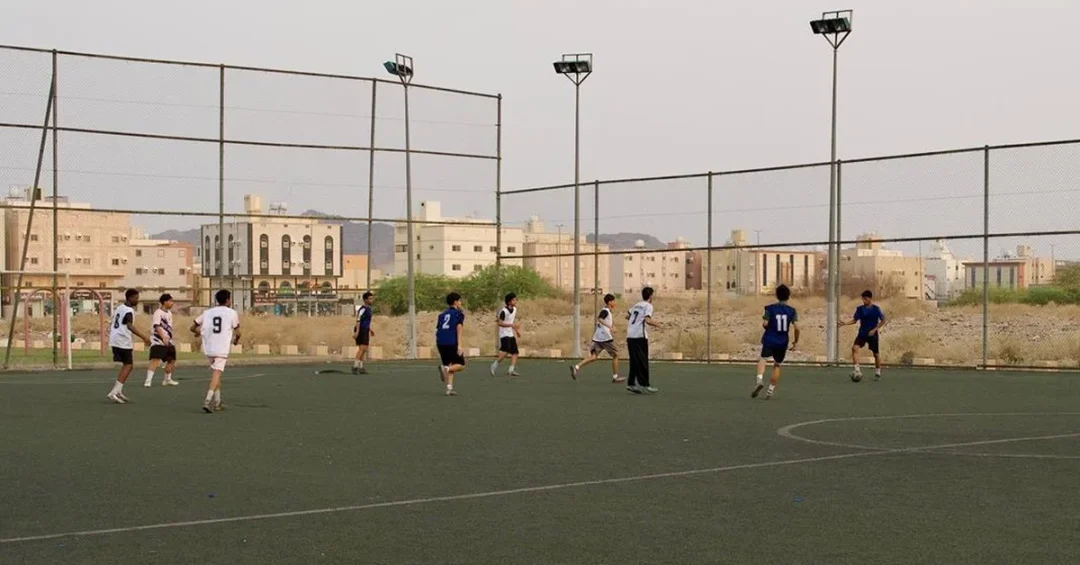
Makkah’s neighborhood football courts are emerging as a vibrant hub for youth sports and talent discovery, according to the Saudi Press Agency (SPA). The courts, developed by the Holy Makkah Municipality, have become a focal point for community engagement, fostering a competitive sports culture and nurturing young talent in the region.
Context and Background
The Holy Makkah Municipality has developed over 118 sports courts across neighborhoods and public parks, including facilities for football, volleyball, tennis, and walking paths. These modern courts are part of a broader initiative to promote physical activity and community bonding among Makkah’s youth.
Key Details
Neighborhood leagues have transformed from amateur competitions into organized tournaments with technical regulations, referees, and match scheduling. Digital platforms are utilized to manage competitions and announce results, enhancing the professionalism and accessibility of these sports events.
Implications and Impact
Sports observers highlight that these neighborhood courts serve as an important channel for talent discovery, complementing the growing number of specialized sports academies in Makkah. The integration of these facilities creates a comprehensive environment for talent development, while also strengthening social ties and instilling values of discipline and teamwork among youth.
Vision 2030 Alignment
This initiative aligns with Saudi Arabia’s Vision 2030 goals of fostering a vibrant society and empowering youth. By providing accessible sports facilities and organized competitions, Makkah is contributing to the Kingdom’s broader objectives of promoting health, wellness, and community engagement.
20 Questions
Q1. What is the focus of Makkah’s neighborhood sports courts?
A1. The focus is on fostering youth sports, talent discovery, and community engagement through organized competitions.
Q2. How many sports courts has the Holy Makkah Municipality developed?
A2. The municipality has developed over 118 sports courts across neighborhoods and public parks.
Q3. What types of sports facilities are available?
A3. Facilities include football, volleyball, tennis courts, and walking paths.
Q4. How have neighborhood leagues evolved?
A4. They have evolved from amateur competitions into organized tournaments with technical regulations, referees, and match scheduling.
Q5. What role do digital platforms play in these tournaments?
A5. Digital platforms are used to manage competitions and announce results, enhancing professionalism and accessibility.
Q6. Why are these courts important for talent discovery?
A6. They provide a grassroots channel for identifying young talent, complementing specialized sports academies.
Q7. What values do these sports activities instill in youth?
A7. They instill values of discipline, teamwork, and community bonding.
Q8. How does this initiative benefit the community?
A8. It promotes physical activity, strengthens social ties, and nurtures young talent.
Q9. What is the significance of these courts in Makkah?
A9. They are a key driver of community sports and youth engagement in the region.
Q10. Who oversees the development of these sports facilities?
A10. The Holy Makkah Municipality oversees the development and maintenance of these facilities.
Q11. What sports are most popular on these courts?
A11. Football is the most popular, followed by volleyball and tennis.
Q12. How do these courts contribute to Vision 2030?
A12. They contribute by promoting health, wellness, and community engagement among youth.
Q13. What is the role of referees in these tournaments?
A13. Referees ensure fair play and adherence to technical regulations during matches.
Q14. How are competitions managed?
A14. Competitions are managed through digital platforms, which streamline scheduling and results announcements.
Q15. What is the impact of these facilities on youth?
A15. They provide a structured environment for sports participation, fostering physical and social development.
Q16. How do these courts complement sports academies?
A16. They offer a grassroots platform for talent discovery, feeding into the more specialized training provided by academies.
Q17. What are the future plans for these sports facilities?
A17. Plans include expanding facilities and enhancing the quality of organized competitions.
Q18. How do these courts promote social ties?
A18. They bring community members together, fostering interactions and teamwork among youth.
Q19. What is the role of walking paths in these facilities?
A19. Walking paths promote physical activity and provide additional spaces for community engagement.
Q20. Why is football the most popular sport on these courts?
A20. Football is widely popular among youth and offers a dynamic way to engage in physical activity and competition.
Reader Feedback
We value your thoughts. Please share your feedback on this article.
Your feedback helps us improve our coverage.